Sign in. It’s quick, free and it’s up to you.
An account is an optional way to support the work we do. Find out more.
Sign in. It’s quick, free and it’s up to you.
An account is an optional way to support the work we do. Find out more.
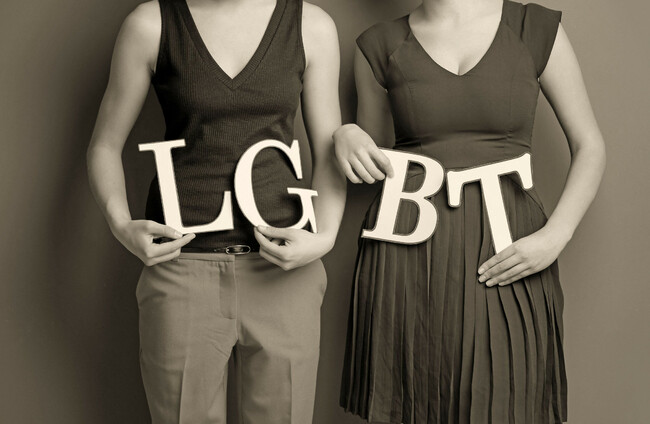

ASSUMPTIONS ARE EASY to make and betray our own experiences and biases. Several decades ago, when admitting a baby to the intensive care unit, I made a quick assumption about who the mother of the infant was.
There were two women in the waiting room, and I decided that one was the mother and the other woman was her sister. The couple laughed it off, but I knew by their faces that I had hurt them at a time when they were particularly vulnerable.
Changing from holding assumptions to becoming an ally is an important shift in approach when you work in healthcare. It’s a change which makes a substantial difference to the quality of care and outcome for many patients and their families.
In healthcare, we expect people to give us access to their bodies and minds. We ask them to trust us with delicate information about their habits, their finances, their employment and relationships. The unspoken bargain behind the intense questioning is that when patients confide in us, we will keep this information safe and use it only to further their health interests. We ask complete strangers to trust us with their lives.
That trust is fundamental to healthcare, and it is easily broken.
Assumptions have the effect of erasing individual identity. I didn’t see two worried parents in the waiting room because my bias sought a woman and a man. Biases run deep and blind us to interpreting a patient’s concerns correctly, leading to a greater risk of error in diagnosis and treatment.
The biggest impact of assumptions is on the psychological safety of a person from the LGBTQI+ community. Bias shuts down the honest dialogue that trust is built on. It is mostly subconscious, with the healthcare professional unaware of the assumptions they have made. The patient in front of them detects the bias and stays quiet.
Research conducted by the North Western Health Board more than 10 years ago demonstrated the barriers that can face people from the LGBT community when seeking health services. Bias towards heteronormative relationships and a fear of discrimination were the two most common barriers.
More recent research from the Mental Health Commission indicates that LGBTQ+ individuals face disproportionately higher rates of anxiety, depression and suicidal ideation. The fear of assumptions held by staff may lead to delays in appropriately seeking medical care.
In the past, healthcare bias was encountered by all kinds of people, from single mothers to sex workers to those from the LGBTQI+ community. The incredibly negative stereotypes used in medical education have thankfully disappeared from the curricula, replaced by non-judgmental kindness. Discrimination based on gender identity or expression is also in breach of international human rights law and is not permitted under equality legislation.
The LGBT Ireland Champions Program, in collaboration with the HSE, has done much to break down assumptions and raise awareness of diversity and the specific health needs that can accompany different identities. Running for six years, the successful program started with a focus on older adults who are LGBTQI+ and has since rolled out its positive message for all ages.
The program has also formalised the training of allies to the community. All public services can benefit from education on the diverse communities they serve, but this is especially so in healthcare due to the intimate nature of the services, lack of alternative providers, and the huge trust required.
Allyship is more than passive support. Allies are individuals who, regardless of their own identity, stand up for the rights and dignity of LGBTQIA+ people.
When a person has had a discriminatory experience in healthcare, it produces a chilling effect, reducing the likelihood that they will seek care again. It is vital that allies in healthcare work to address past negative experiences, acknowledging the distress previously caused, and giving reassurance that those assumptions will not feature in their care again.
Allies may make themselves visible by sporting rainbow lanyards or pins on their scrubs, or hanging a poster in the waiting room, signalling that they have challenged their assumptions and are ready to foster respectful conversations.
An ally provides a safe space for LGBTQI+ people to be themselves and to feel seen and included. They also speak to diversity needs in communication, healthcare policy, funding and infrastructure.
Allies foster collaboration with other services to ensure that LGBTQI+ patients who are living with a disability or are seeking international protection have their additional needs recognised and met.
I regret causing that couple with the sick baby more pain than they already had. By the way they brushed it off, I know that it wasn’t the first time that they had been met with assumptions. However, I also know that healthcare is changing and allies to the LGBTQI+ community are more numerous and active than ever before.
Dr Suzanne Crowe is a consultant in paediatric intensive care medicine and a Board trustee for LGBT Ireland since 2021.
To embed this post, copy the code below on your site














have your say