Sign in. It’s quick, free and it’s up to you.
An account is an optional way to support the work we do. Find out more.
Sign in. It’s quick, free and it’s up to you.
An account is an optional way to support the work we do. Find out more.
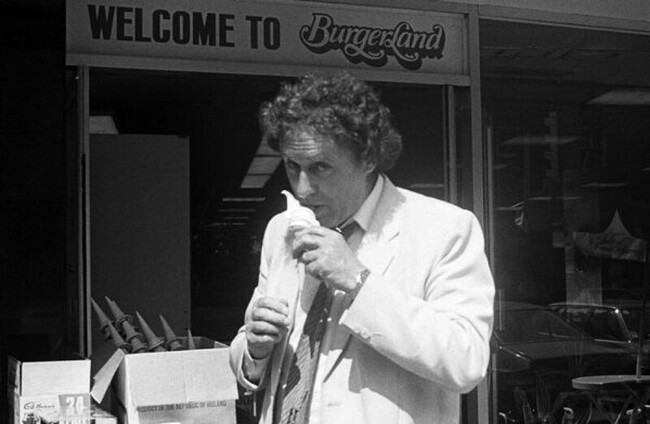

AS FOUNDING EDITOR and proprietor of Magill, Vincent Browne gave the current affairs magazine its personality. Even when he was not working as its editor, to most readers Magill was still his magazine.
When Magill first published in 1977, Browne was already a remarkably polarising figure. Ask journalists who worked with him ‘What was he like?’ and the replies are dramatically different. The words range from contrarian to charming, with many expletives in between.
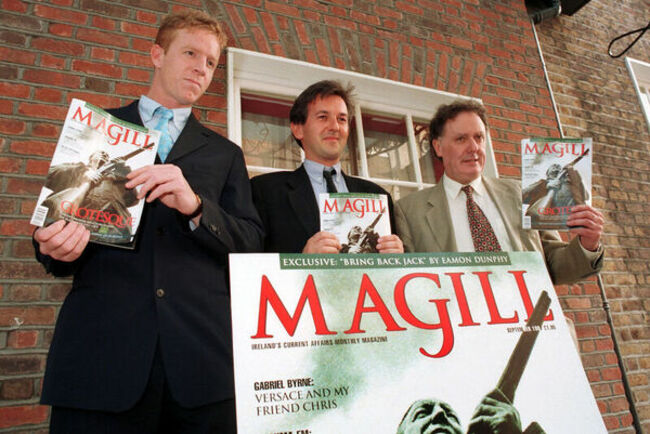
Setting aside the office politics, however, Browne showed himself to be an extraordinary figure in Irish journalism. He was a talented story-getter and editor. He also displayed the rare quality in a journalist of being a consistent business risk-taker and start-up entrepreneur.
In these endeavours, he shook up the staid Irish media market. He failed more than he succeeded in business, whereas it could be said that in his journalism he succeeded more than he failed.
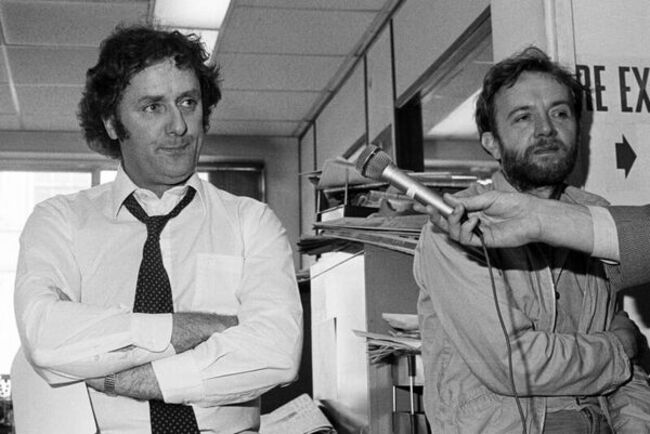
Browne’s magazine disrupted the established journalism scene. In the economically bleak 1980s, it created jobs when the alternative for many was emigration. It also gave a chance to young journalists, irrespective of their gender or class.
People like Gene Kerrigan, one of our finest journalists, and Maggie O’Kane, who became a successful foreign correspondent with the BBC and the Guardian. Few of these journalists would have had similar opportunities in the national newspapers at the time.
Without ‘serving their time’ and waiting for career progression, they were immediately doing serious journalism at the upstart magazine. Many of these journalists were later poached by the national press and RTÉ, where they became established writers and broadcasters and brought the spirit of Browne’s current affairs magazine to their journalism with these media outlets.
In some ways, Magill succeeded in becoming an alternative source of information to the established media in the late 1970s and through the 1980s. The magazine filled in some missing content from the national newspapers and on the national airwaves.
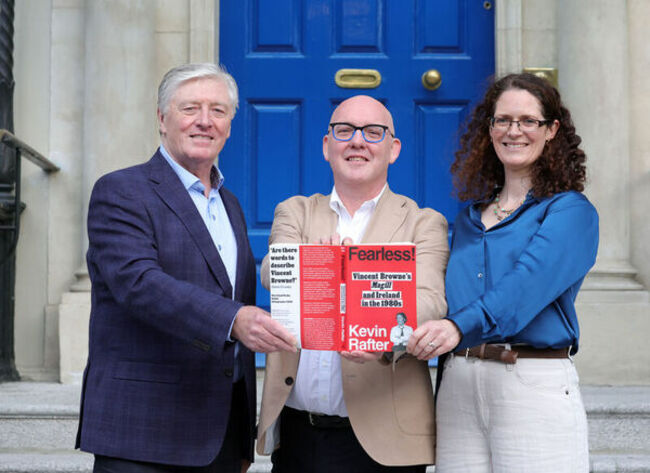
Establishing Magill as a quality current affairs magazine was a notable achievement and not an easy undertaking in late 1970s Ireland. The ambition to own a Sunday newspaper led Browne away from the monthly current affairs magazine. The drive to further expand his range of publications ultimately contributed to the weakening of Magill and was partly responsible for the magazine’s demise in 1990.
Magazines are particularly dependent on the personality of their editor. For most readers, Magill was always Vincent Browne’s magazine. No other editor had enough time to make the title their own and allow it to fully exist without Browne in some guise. The magazine might have thrived for longer, and might have developed as a more independent entity, if Browne had done something radical in the 1980s by either selling it or establishing a trust ownership.
This would have given early editors like Colm Tóibín or Fintan O’Toole the freedom to really make it their own magazine, and they might then have stayed longer in the role.
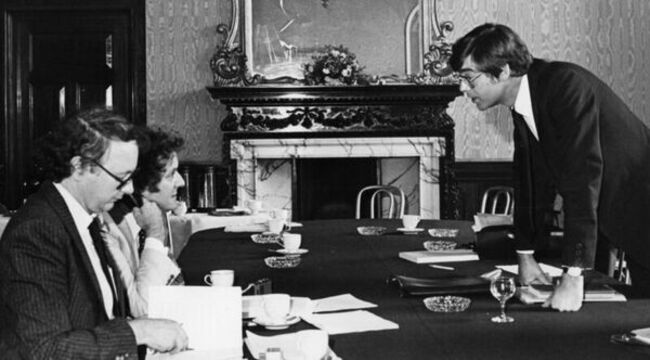
The constant changing of editor – and the short tenure of most – denied the magazine stability. The uncertainty also prevented Magill from becoming an established media institution.
Reflecting on the magazine’s history, Browne acknowledged that had he acted differently and withdrawn fully in the mid 1980s, either Tóibín or O’Toole might have remained longer as editor. This would have hugely helped Magill.
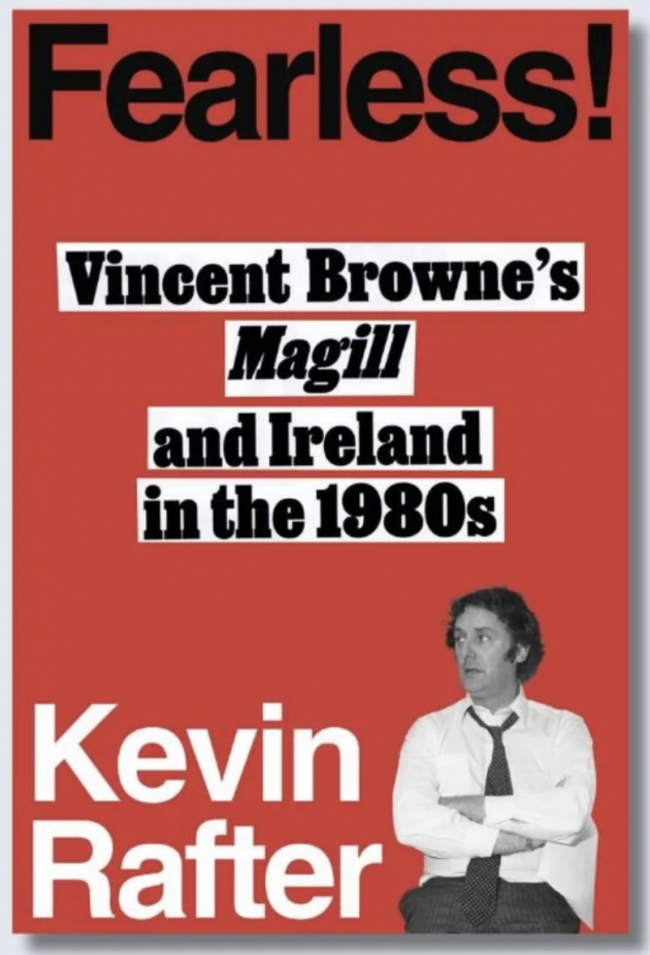
“They were both great journalists. They are national treasures now,” he told me for Fearless! Vincent Browne’s Magill and Ireland in the 1980s.
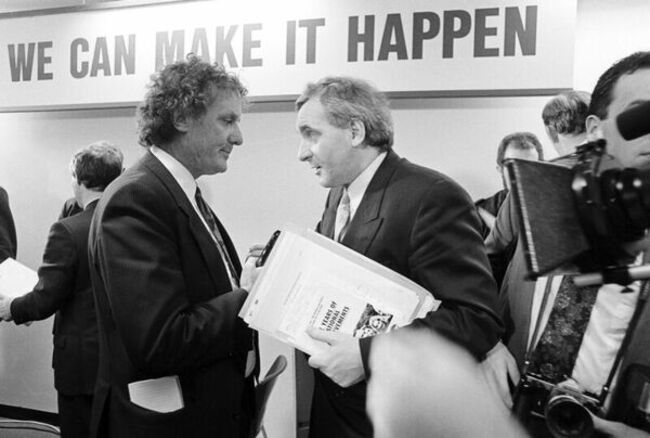
Browne himself transitioned from Irish journalism’s enfant terrible to become something of a national institution himself. His post-Magill life as a radio presenter and later the long-time host of a nightly current affairs programme on TV3 (now Virgin Television) introduced him to new audiences for his strident, questioning journalism.
Yet, he never received an answer to the question he had posed right through the life of Magill: the source of Charles Haughey’s money.
Browne was one of the few journalists who persisted in posing the question. During the 1981 general election campaign, Fintan O’Toole was at the launch of Fianna Fáil’s manifesto.
He wanted to ask Haughey about arts policy. What O’Toole initially thought was a dull event suddenly burst into life. Vincent Browne was on his feet.
From the back of the room, Browne asked: “Where did you get the money?” Haughey sought to move the discussion to other topics.
“[He] literally waved the question away with a grand gesture of contempt,” O’Toole recalled.
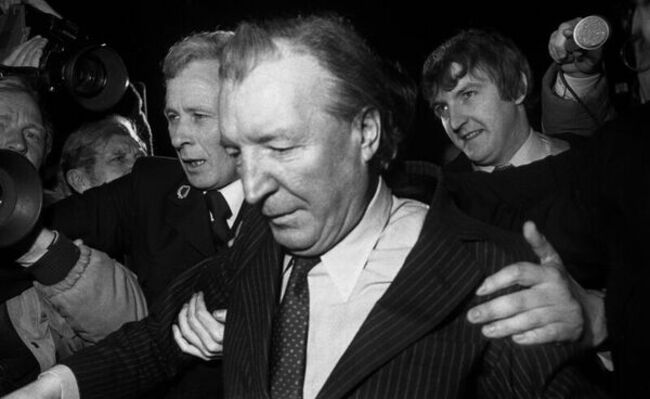
When Haughey was elected Fianna Fáil leader in December 1979, Browne had posed the same question. Their jousts regularly dominated media events, often to the annoyance of other journalists.
“Trying experiences” was how one reporter described the exchanges. Some would say, “Shut up, Vincent”.
Thankfully, Browne and the others who worked at Magill did not stop asking these types of questions on all the contentious issues that defined the 1980s. Ireland is a better place today for their journalism.
Kevin Rafter is a professor at Dublin City University and the author of Fearless! Vincent Browne’s Magill and Ireland in the 1980s published by New Island Books.
To embed this post, copy the code below on your site

















have your say