We need your help now

Support from readers like you keeps The Journal open.

You are visiting us because we have something you value. Independent, unbiased news that tells the truth. Advertising revenue goes some way to support our mission, but this year it has not been enough.

If you've seen value in our reporting, please contribute what you can, so we can continue to produce accurate and meaningful journalism. For everyone who needs it.

Opinion The pressure to be 'fit' didn't come out of nowhere - here's how it started

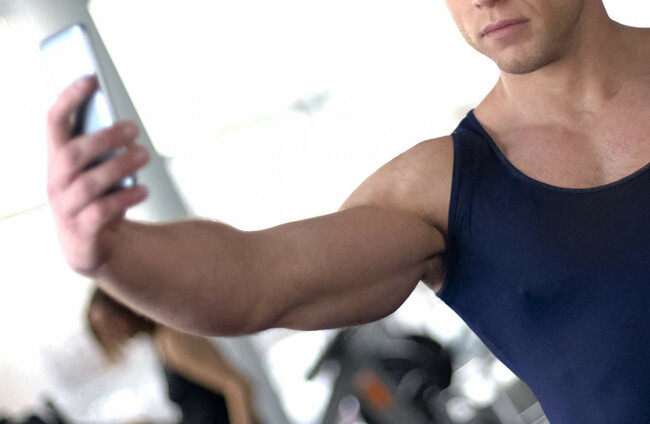
The new year always brings renewed focus on the idea of being ‘fit’ – but where did it come from in the first place?

IRELAND’S FITNESS ANXIETY did not arrive with Instagram. We have been importing body pressure for more than 160 years. It began when British school inspectors brought Swedish drill into Galway classrooms in the 1860s, teaching children that movement meant discipline, precision and obedience.

From there came Victorian manuals, measurement systems, diet lectures and strongmen who turned the body into something to be measured and judged. The modern obsession with steps, stats and transformation photos did not appear overnight. It was built slowly across generations.

One of the earliest places you see this pattern is in the school system. Inspectorate files from the 1860s and 1870s are filled with references to drill and gymnastics. Children in Galway, Mayo and Roscommon were marched through arm circles, knee bends and toe points in cold classrooms, oftentimes by former military instructors. A school report from 1875 claimed that drill would create orderly habits and moral discipline.

Enjoyment was not part of the discussion. In fact, exercise was often used as punishment. By the 1880s many national schools had compulsory drill following the 1878 Intermediate Education Act. For an entire generation movement meant following orders. Not play. Not exploration. Command and repetition.

Measurement ran alongside this idea of bodily discipline. Ireland’s first recognisable gymnasium was opened by Monsieur Beaujeu on Dawson Street, Dublin, in the 1820s. Beaujeu promised to reform body and mind through exercise and invited doctors, politicians and educators to observe and measure his pupils.

The principle was straightforward. First you trained, and then you tracked results. One doctor, James Macauley, spent a full year measuring Beaujeu’s child clients, tracking everything from their strength to how often they had a common cold.

By the late nineteenth century, Ireland was caught up in a broader measurement craze. In 1890 and 1891 the Irish Times published syndicated features on early bodybuilder Eugen Sandow’s measuring system.

Sandow encouraged Irish men to send their chest and arm measurements to London for personalised advice.

When he performed in Dublin in 1898, newspapers compared the proportions of local men to Sandow’s ideal. No one was safe. Among Sandow’s Irish clients were 1916 leader James Plunkett and the pacifist Francis Sheehy-Skeffington, whose Sandow workouts are still housed in the National Library.

In 1908, Dublin staged its first bodybuilding competition. The winner, W. N. Kerr, had spent years sending his photographs and measurements to British physical culture magazines. It was a kind of public tallying.

By the early 1900s the Irish Times ran regular physical culture columns where men, and it was overwhelmingly men, submitted questions about building muscle and strength.

From then to now

The modern version is not difficult to recognise. Instead of sending measurements to London, people upload progress photos or tag their lifts online. The technology changed. The impulse did not. History rarely repeats itself directly, but it often rhymes.

Diet culture travelled a similar road. In 1894, Dublin hosted lectures on “How We Grow Fat” which blamed excess food and a lack of the right kind of food. Around the same time the Dublin Daily Express advertised the spa in Lucan which promoted a regime of hot water drinking as a form of moral renewal.

Regional newspapers in the 1890s and 1900s were filled with advice on miracle foods, early supplements and repeated commands to eat less and move more.

Today’s detoxes and twelve week challenges follow the same script.

The only difference is that the advice now comes from overly enthusiastic and bright-eyed influencers delivering their lines to camera.

Ireland obviously, had its own strength traditions. Stone lifting and stone throwing were part of local life in Galway, Cork and Kerry. People lifted heavy agricultural or fishing objects at fairs, weddings or coming of age gatherings.

The Duchas archives contain stories of people lifting bags of oats, carts and even neighbors to show their strength. Some even threw their boots as far as they could. The point was simple. Strength and skill were displayed for neighbours, not judged against an ideal body. These were acts of community and celebration rather than physique or moral virtue.

Another popular activity, club swinging, was a different story. It was imported through the British Empire from India in the nineteenth century and reached Ireland through military instructors and travelling performers.

By the early twentieth century even native traditions were being reframed through physical culture’s language of discipline. What had once been playful or ceremonial was now read as evidence of clean living and self-control.

Victorian educators believed that physical training should build moral character. That logic still shapes contemporary fitness culture. It appears in every ‘no excuses’ slogan and in ongoing idea that how one looks reflects their discipline, self-worth or standing.

This history helps explain why so many people feel judged before they ever enter a gym.

Fitness pressure did not grow naturally. It was taught, promoted and repeated until it felt normal. Seeing these ideas as historical imports rather than unquestioned truths matters. It allows us to decide whether they still deserve the influence they hold and to rethink what movement should mean in our own lives.

I love fitness, but I remain troubled by the pressure that surrounds it. Maybe moving is enough, and the obsessive tracking, photographing and comparisons can be put aside.

Dr Conor Heffernan is a lecturer in the School of Sport and Exercise Science at Ulster University.

Readers like you are keeping these stories free for everyone...
A mix of advertising and supporting contributions helps keep paywalls away from valuable information like this article. Over 5,000 readers like you have already stepped up and support us with a monthly payment or a once-off donation.

Close
9 Comments
This is YOUR comments community. Stay civil, stay constructive, stay on topic. Please familiarise yourself with our comments policy here before taking part.
Leave a Comment
    Submit a report
    Please help us understand how this comment violates our community guidelines.
    Thank you for the feedback
    Your feedback has been sent to our team for review.

    Leave a commentcancel

     
    JournalTv
    News in 60 seconds