Sign in. It’s quick, free and it’s up to you.
An account is an optional way to support the work we do. Find out more.
Sign in. It’s quick, free and it’s up to you.
An account is an optional way to support the work we do. Find out more.
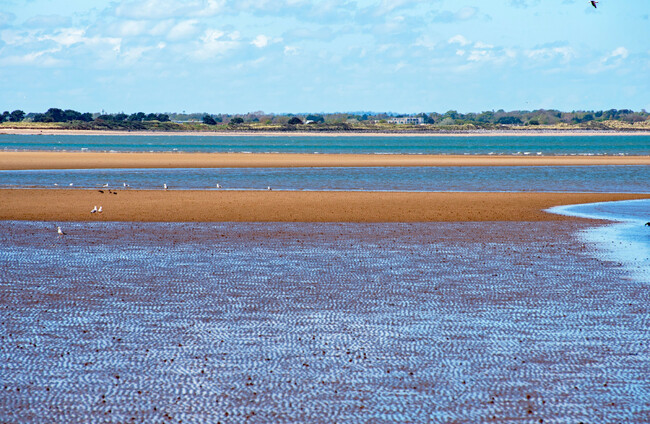

IN IRELAND, WE are staring our greatest climate solution straight in the face, yet we have made practically no attempt at leveraging or activating it. In fact in many cases we are actively harming it.
The 2016 census found that 1.9 million people in Ireland live within 5 kilometres of the coast. That is 40% of the population who will face some of the earliest and most severe effects of climate breakdown. These effects as have been seen in recent months include flooding, frequent violent storms, erosion and the associated loss or damage to property, infrastructure and services.
The lifestyle along Ireland’s coast is idyllic and romantic in many ways, with the small towns and fishing villages, summer sail boat visitors and pubs and restaurants with gardens that stretch right down to the water’s edge. However, as sea levels continue to rise along with global temperatures and greenhouse gas emissions, the future stability of Ireland’s coastal regions is quickly becoming eroded.
The solution is the sea.
Put simply, there is too much carbon dioxide (CO2) in the atmosphere. We need to draw down that CO2 and lock it away. Over the past two decades, an entirely new industry of carbon capture and storage using technology has begun, with a 2023 market value of 6.8 billion USD. Yet between 1971 and 2010 the ocean absorbed 30% of the CO2 released into the atmosphere and almost 90% of the excess heat at a total cost of 0 USD.
Unbeknownst to most, the ocean has been shielding planet Earth and all of us who live here from climate change, but as global emissions soar and human impacts on the ocean worsen (overfishing, pollution, etc) the ocean can’t hold on much longer. Not without some help.
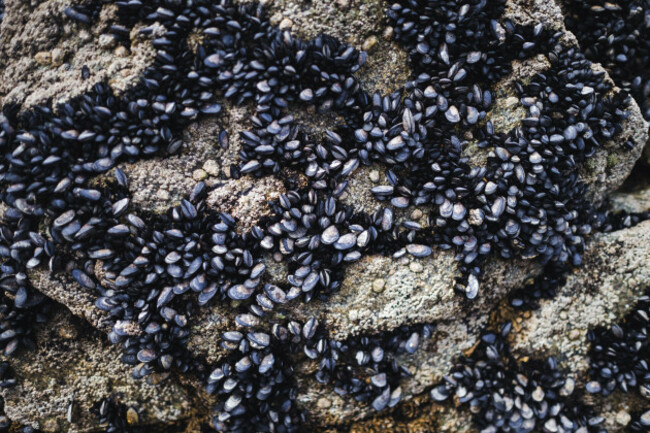
The ocean has become very unhealthy. If we can revive it and help it recover, it has the potential to pull more carbon than anywhere else out of the atmosphere and lock it away, for free.
The key point then is to ensure the carbon remains locked away — by avoiding activities that disturb the seafloor.

If activities are conducted in the ocean that disturb the seafloor, then all that carbon that has been stored will be released back into the sea water and eventually back into the atmosphere.
A two-pronged approach is needed which would support the ocean to realise its full potential in the fight against climate change while rethinking those human activities that are harming it.
But how can we kickstart this blue superhero? With Marine Protected Areas. By covering at least 30% of the world’s ocean in Marine Protected Areas (MPAs) we can ensure that the economic use of the sea is balanced with areas accelerating recovery, carbon storage, fish stock recovery and running at full health.
However, not all MPAs are created equal. A new 2024 study analysing 100 of the world’s largest MPAs (90% of the world’s MPA coverage) has found that only a third of the area currently covered by the world’s ocean is actually effective. Why? Because these MPAs have been created but not properly resourced or else lack the management structures needed to ensure human activity is not damaging their health, while they are supposed to be recovering.
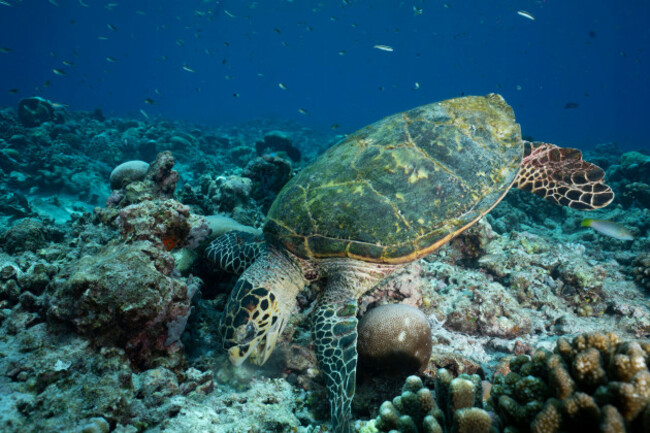
Studies from around the globe show how fully protected MPAs are the most cost-effective and proficient at expediting the recovery we need to survive. Fully or highly protected MPAs remove all human activity and allow the area to be completely as it is in a natural state. It is also worth remembering that some areas have been so heavily damaged that they hardly resemble their natural state anymore. In these cases, intervention is needed to restore lost habitats and ecosystems to kickstart the recovery process.
Drawing a line on a map or just removing the damaging activities will not be enough if an area has been heavily damaged or altered.
When we talk about MPAs we often hear people jump to conclusions that we’re advocating a ban on fishing. What if I told you that MPAs can increase the incomes of local fishing communities? It may sound contradictory based on common misconceptions of MPAs, but a 2024 study which reviewed 81 publications from 37 countries, showed positive impacts on local economies due to growing fish populations from effective MPA management.
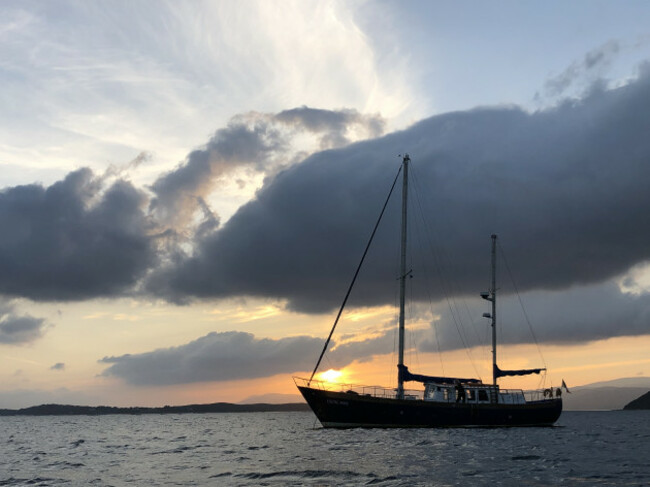
It’s important to remember that MPAs are not about banning fishing. In some cases, management plans will have to be made in consultation with local fishing communities which may include changes to activities, but not without good reason and to bring about benefits to nature and people.
Here at home, the Irish Government has committed to creating MPAs in 30% of Irish waters, but we will be unlikely to meet those targets. Our new Celtic Mist report along with the Irish Whale and Dolphin Group (IWDG) raises concerns about a lack of monitoring of Ireland’s inshore waters by the state.
We carried out five months of research (carried out by volunteers) along the Cork, Kerry and Clare coastline and found a worrying decline in sea mammal populations in those areas. These are supposed to be protected areas but there is a distinct lack of a plan for conservation here in any meaningful way.
Marine Protected Areas safeguard more than ecology – they bring economic benefits to fisheries and tourism, grow wildlife populations and boost fish stocks.
We need to activate this climate superpower now more than ever.
We need to give this all we’ve got.
The solution is the sea.
Jack O’Donovan Trá is Communications Officer with Fair Seas, a coalition of leading environmental NGOs and networks.
To embed this post, copy the code below on your site














have your say