Sign in. It’s quick, free and it’s up to you.
An account is an optional way to support the work we do. Find out more.
Sign in. It’s quick, free and it’s up to you.
An account is an optional way to support the work we do. Find out more.
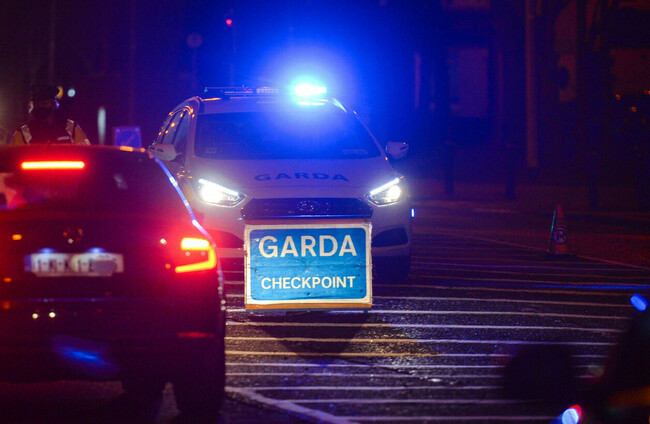
ROAD DEATHS ARE running ahead of last year’s figures, with 85 people killed on Irish roads in the first six months of 2026, the Road Safety Authority (RSA) has told the Oireachtas Transport Committee.
Acting RSA chief executive Alison Coleman said that the figure is eight higher than at the same point in 2025, while more than 600 people have also been seriously injured this year.
“We are deeply saddened to acknowledge the tragic loss of life on Ireland’s roads in 2026,” Coleman said.
She added that while Ireland remains among the better-performing countries in Europe for road safety, “any death is one too many” and the country still needs to make “significant reductions” to meet its 2030 road safety targets.
Almost half of those killed this year were vulnerable road users, including pedestrians, cyclists, motorcyclists and e-scooter users.
Three-quarters of those killed were male, while almost a third were aged 25 or younger.
According to garda figures, a total of 93 people have died on Irish roads so far this year up to today (8 July), which is 10 more than had died during the same period last year (83).
Coleman told the committee that the increase in Ireland’s road casualty figures should be “considered in light of our increasing population”.
“The numbers of vehicles and licensed drivers on our roads, and vehicle kilometres being travelled, have also risen in recent years, all of which increase the likelihood of road traffic collisions occurring,” Coleman added.
The RSA also urged TDs to support the rollout of more 30km/h speed limit zones, noting that 10 vulnerable road users died this year on urban roads with speed limits of 30km/h or lower.
“I ask Oireachtas Members to lend your support to fostering a culture of compliance on 30km/h roads in your communities,” Coleman told the committee, “and to lend your support to Local Authorities in the widespread implementation of 30km zones in urban areas for the protection of vulnerable road users.”
Committee members also heard that average waiting times for driving tests have risen back above the RSA’s service level target.
Coleman said the average wait stood at 11.8 weeks at the end of June, compared with the 10-week target, after demand for tests increased by 17% this year.
RSA chief operations officer Brendan Walsh said the service was coping with the increased demand, despite the longer waiting times.
“Despite the 17% increase in demand for testing, the service is managing the impact,” he said.
Walsh pointed to improvements at some of the busiest centres, saying waiting times in Dun Laoghaire had fallen from 24 weeks to 12 weeks over the past year, while Tallaght had reduced from 37 weeks to 13 weeks.
He also revealed the RSA is examining whether mobile NCT centres could form part of the next generation of Ireland’s vehicle testing system.
“We are aware there are jurisdictions across Europe and across the world that carry out mobile [vehicle] tests,” Walsh said, adding that the technology would be considered as part of a major review of the NCT ahead of the next contract in 2030.
The committee also heard that the RSA does not decide where garda speed camera vans are deployed.
Asked about the issue by Sinn Féin Senator Joanne Collins, RSA Director of Research, Standards and Assurance Michael Rowland confirmed that deployment decisions are made by An Garda Síochána.
“We’re not responsible for that”, Rowland said.
He added that gardaí use collision data, alongside information supplied by the RSA, to determine locations.
Rowland added that while camera vans are not always positioned exactly where fatal or serious crashes occurred, this can be due to health and safety considerations.
“Sometimes it’s not the safest place to put the van,” he said.
“The data informs the locations, but there are health and safety considerations as well.”

To embed this post, copy the code below on your site














have your say