We need your help now

Support from readers like you keeps The Journal open.

You are visiting us because we have something you value. Independent, unbiased news that tells the truth. Advertising revenue goes some way to support our mission, but this year it has not been enough.

If you've seen value in our reporting, please contribute what you can, so we can continue to produce accurate and meaningful journalism. For everyone who needs it.

State purchases almost 100 acres of 'high nature value' land in Clonakilty

The site will be managed by the National Parks and Wildlife Service.

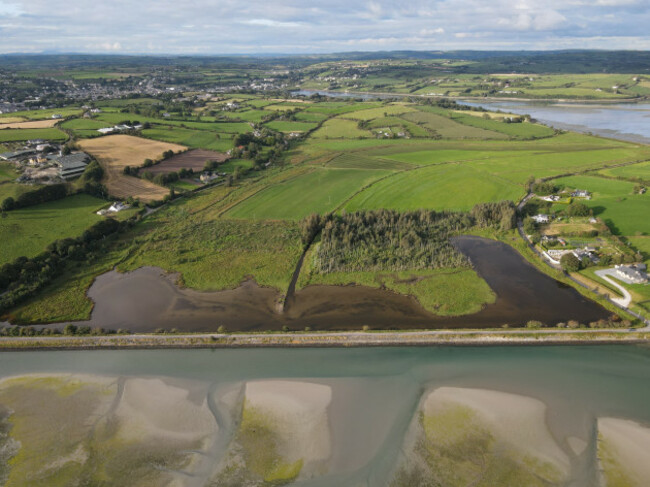
THE STATE HAS completed its purchase of 98.5 acres of land at White’s Marsh in Inchydoney, Co Cork.

The site, also known as the Island Stand Intake, is based within the Clonakilty Bay Special Area of Conservation for wildlife conservation, and special protection area for the protection of birds. 

The Minister of State for Nature, Heritage and Biodiversity, Christopher O’Sullivan, announced the purchase today. The site will be managed by the National Parks and Wildlife Service.

3. White's Marsh Richard Mills White’s Marsh, also known as the Island Stand Intake has been purchased by the State for its high nature value. Richard Mills Richard Mills

The habitat within White’s Marsh includes grassland, a lagoon and a small forestry plantation. The lagoon was described by the department as an “important bird foraging and roosting site” within the protection area. It is used by birds such as the black-tailed godwit, curlew, lapwing, and other wintering water birds.

O’Sullivan said the area is “biodiversity rich, historically significant, and deeply rooted in the culture and identity of Clonakilty”, and that the purchase of the land will protect its wetlands, grasslands, and bird habitats”.

“There is so much potential for this site, in particular to restore the valuable grasslands and wetlands habitats, and manage them for nature,” he said.

“It also presents opportunities for education and awareness raising about the importance of these protected habitats.”

The land is to be restored – which will involve the expansion of terrestrial wetlands and creating other habitats, such as freshwater pools and brackish scrapes. 

The site was once formally part of the Clonakilty estuary. In the mid-1800s, a series of causeways and seawalls were constructed to separate Island Strand Intake from the estuary as part of a land reclamation project.

During this period, a network of drains were installed. This network remains in place today and drain into the estuary through a flap valve system.

Readers like you are keeping these stories free for everyone...
A mix of advertising and supporting contributions helps keep paywalls away from valuable information like this article. Over 5,000 readers like you have already stepped up and support us with a monthly payment or a once-off donation.

Close
7 Comments
This is YOUR comments community. Stay civil, stay constructive, stay on topic. Please familiarise yourself with our comments policy here before taking part.
Leave a Comment
    Submit a report
    Please help us understand how this comment violates our community guidelines.
    Thank you for the feedback
    Your feedback has been sent to our team for review.

    Leave a commentcancel

     
    JournalTv
    News in 60 seconds