Sign in. It’s quick, free and it’s up to you.
An account is an optional way to support the work we do. Find out more.
Sign in. It’s quick, free and it’s up to you.
An account is an optional way to support the work we do. Find out more.
THE STATE HAS completed its purchase of 98.5 acres of land at White’s Marsh in Inchydoney, Co Cork.
The site, also known as the Island Stand Intake, is based within the Clonakilty Bay Special Area of Conservation for wildlife conservation, and special protection area for the protection of birds.
The Minister of State for Nature, Heritage and Biodiversity, Christopher O’Sullivan, announced the purchase today. The site will be managed by the National Parks and Wildlife Service.
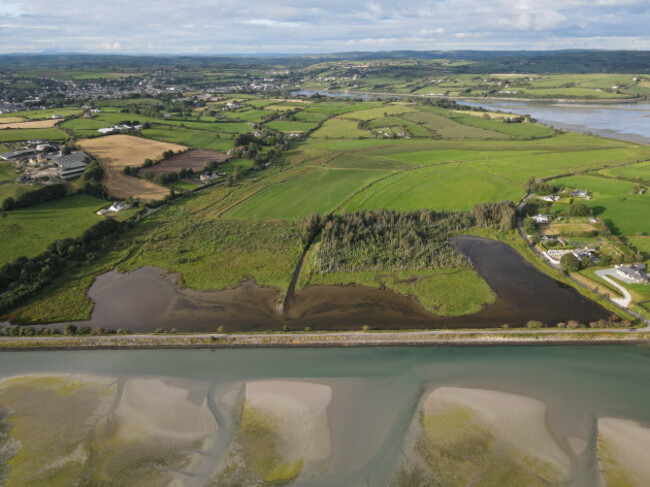
The habitat within White’s Marsh includes grassland, a lagoon and a small forestry plantation. The lagoon was described by the department as an “important bird foraging and roosting site” within the protection area. It is used by birds such as the black-tailed godwit, curlew, lapwing, and other wintering water birds.
White’s Marsh in Clonakilty is now in state ownership!
— Christopher O’Sullivan TD (@COSullivanTD) September 23, 2025
I am delighted that my Department, the NPWS has completed this transaction. White’s Marsh is a place of unique biodiversity and is important for migratory bird species such as the Curlew and Black-tailed Godwit. pic.twitter.com/4DmNI7YVCI
O’Sullivan said the area is “biodiversity rich, historically significant, and deeply rooted in the culture and identity of Clonakilty”, and that the purchase of the land will protect its wetlands, grasslands, and bird habitats”.
“There is so much potential for this site, in particular to restore the valuable grasslands and wetlands habitats, and manage them for nature,” he said.
“It also presents opportunities for education and awareness raising about the importance of these protected habitats.”
The land is to be restored – which will involve the expansion of terrestrial wetlands and creating other habitats, such as freshwater pools and brackish scrapes.
The site was once formally part of the Clonakilty estuary. In the mid-1800s, a series of causeways and seawalls were constructed to separate Island Strand Intake from the estuary as part of a land reclamation project.
During this period, a network of drains were installed. This network remains in place today and drain into the estuary through a flap valve system.

To embed this post, copy the code below on your site















have your say