We need your help now

Support from readers like you keeps The Journal open.

You are visiting us because we have something you value. Independent, unbiased news that tells the truth. Advertising revenue goes some way to support our mission, but this year it has not been enough.

If you've seen value in our reporting, please contribute what you can, so we can continue to produce accurate and meaningful journalism. For everyone who needs it.

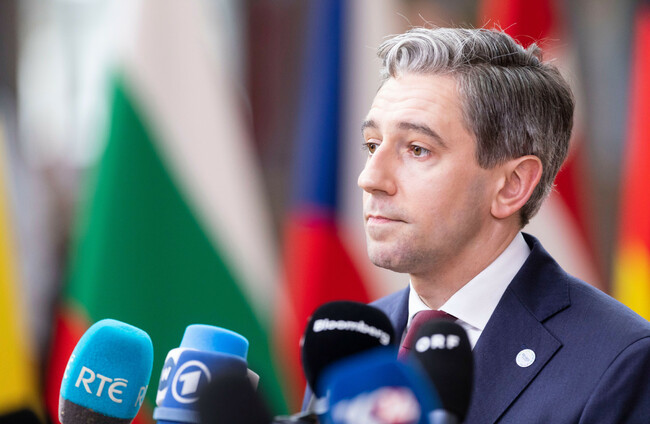
Taoisach Simon Harris Alamy Stock Photo

Taoiseach among EU leaders to agree for continued support for Ukraine ahead of Trump presidency

The EU has announced a fresh wave of sanctions against Russia, as it aims to strengthen its support ahead of Trump’s return.

LAST UPDATE | 19 Dec 2024

TAOISEACH SIMON HARRIS is among the 27 EU leaders who have agreed to do “whatever it takes for as long as necessary” to support Ukraine in the future years.

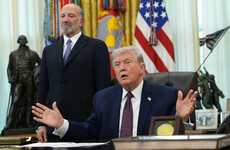
The approaching spectre of a second Donald Trump presidency looms large over European leaders as met in Brussels today for a European Council meeting. 

One of the key focuses today was how to strengthen its support for Ukraine in the scenario where its sovereign territory is transitioned into Russia.

Though it has long been the position of the EU for fighting to stop, European leaders are keen to dismantle any suggestions that the war in Ukraine would end with land, currently under occupation by Russian forces, being handed over into the Federation’s control.

Trump, who next month will re-enter the White House, has claimed he plans to end the war in Ukraine. The concern in Europe is the negotiations, which could involve the incoming President of the United States, could favour Russia in some way.

Speaking in Brussels today, Taoiseach Simon Harris said: 

“Obviously things are not where they need to be in terms of moving towards peace in Ukraine. And I think it’s really important as we approach any dialogue with Ukraine that it can be nothing about Ukraine without Ukraine, in terms of what a peace settlement may look like in due course.”

Following the meeting today, the new President of the European Council António Costa said that EU leaders are willing to support Ukraine for as long as it may need Europe’s support.

He batted away speculation that Ukraine would soon become the 28th member of the EU, suggesting that it was “not the time to speculate” on what may happen in the future but rather focus on what Europe can do to assist the Eastern European country now.

“To achieve this objective we are taking concrete steps,” Costa said, announcing a fresh new wave of sanctions on Russia – the fifteenth package on the country since the invasion of Ukraine began in 2022.

The new sanctions aim to tackle loopholes in the existing restrictions, while targetting ‘shadow fleets’ operating on Russia’s behalf. Costa also reaffirmed the EU’s funding commitments to Ukraine, €30 billion next year.

Asked about whether Irish peacekeepers might play a role in Ukraine, if and when there is a peace agreement, Harris said: 

“We have a very, very strict and clear criteria we apply to participating in any peacekeeping mission. So that’s perhaps a conversation for another day.

“But wouldn’t it be wonderful to get to the point where we can talk about how we maintain the peace, rather than how we end the war?”

 European economy

Separately, European leaders are growing anxious over the threat of harsh tariffs being placed on EU member states by Trump.

Throughout the press conference this evening, and at discussions with leaders before the meeting, European figureheads all referred to the United States as a firm ally and used terms such as friend, partner and colleague.

Speaking earlier, Harris said the President elect is a “businessman at heart” and will be eager to engage with the EU.

“I think we have to control what we can control, both from a European Union perspective and from an Irish perspective,” he said, adding that the EU should instead be more focused on the business and practical agenda set out by former Italian prime minister Mario Draghi.

Harris was also questioned today about the Occupied Territories Bill and when he would like to see it enacted. 

The Taoiseach said every political party in the election promised movement on the matter, stating that he was the leader who asked the Attorney General for fresh legal advice following the International Count of Justice (ICJ) ruling over the summer. 

“This is something I would like to see happen and I would like to see it happen in the first year of the government,” he said.

With reporting from David Mac Redmond and AFP

Readers like you are keeping these stories free for everyone...
A mix of advertising and supporting contributions helps keep paywalls away from valuable information like this article. Over 5,000 readers like you have already stepped up and support us with a monthly payment or a once-off donation.

Close
JournalTv
News in 60 seconds