Sign in. It’s quick, free and it’s up to you.
An account is an optional way to support the work we do. Find out more.
Sign in. It’s quick, free and it’s up to you.
An account is an optional way to support the work we do. Find out more.
LAST UPDATE | 3 Apr
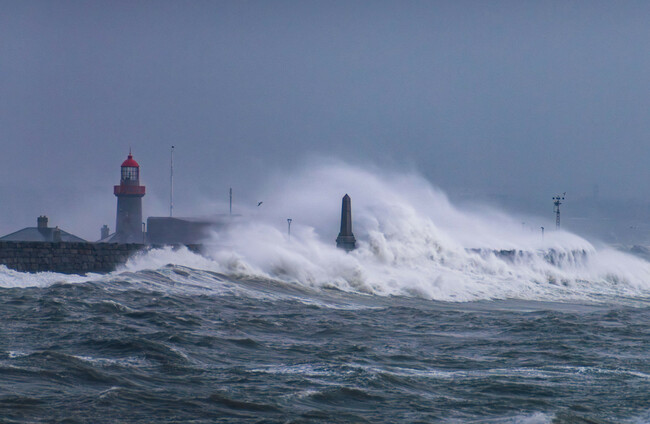
A WIND WARNING has been issued for the entire country for Saturday as Storm Dave heads our way.
The Status Yellow wind warning will be in effect for the entire country from 2pm until 11pm.
Met Éireann has warned that the storm is expected to bring very strong southwesterly gusts, coastal gales, and the potential for fallen trees, loose debris, and wave overtopping along exposed coasts.
A separate wind warning will also be in effect from 2pm Saturday until 2am Sunday for Northern Ireland.
There’s also a small craft warning for all coasts, with southerly winds reaching gale force 6 or higher.
❗️Associated with #StormDave ⬇️
— Met Éireann (@MetEireann) April 2, 2026
⚠️Yellow Wind Warning is issued for Ireland⚠️
⏲️14:00 to 23:00 Saturday 04/04/2026⏲️
❗️Be Aware of➡️fallen trees, branches, wave overtopping, difficult traveling conditions, loose objects⚠️
ℹ️https://t.co/gjN9OKdtdO
ℹ️https://t.co/RZeYdeW8c3 pic.twitter.com/MzJOYQ4ytX
The storm was officially named by the UK Met Office this morning, with forecasters there warning of a chance of “injuries and danger to life” from flying debris while the strong winds may also cause some damage and travel disruption.
According to Met Éireann, the unsettled weather kicks off tomorrow with some showery outbreaks of rain and fresh winds, before intensifying on Saturday as heavy rain spreads across the country.
Stormy winds will raise the risk of coastal flooding, particularly along western and northern shores.
By Easter Sunday, conditions are expected to ease slightly, though breezy spells and scattered showers will continue, with the possibility of sleet and snow on high ground in the west and north.
It will be windy again on Monday, cloudy and damp for most with patchy light rain, drizzle and mist.
Speaking on RTÉ’s News at One, Met Éireann forecaster Gerry Murphy said the “greatest possibility” that the warning might increase is in Donegal, where “the storm depression will track closest to”.
He also said Saturday will see rain heaviest in the west and northwest. “Currently, [rainfall] amounts don’t look like requiring rainfall warnings, but that may change.”
Murphy added that the unsettled weather will continue “for the following few days” after Easter Monday.
The National Severe Weather and Flooding Coordination Group convened a meeting with local authorities, Met Éireann, relevant government departments and utility providers yesterday afternoon.
The group said the meeting “allowed Met Éireann to update stakeholders about the upcoming adverse weather forecast for the Easter weekend” to ensure they are informed and prepared for any developments.
It advised the public to stay away from coastal edges, harbours, piers and low-lying promenades during high tide in low-lying and exposed coastal areas.
“Local Authorities and other stakeholders will be active and responding in the affected areas where needed,” the group said.
It said the public should stay updated by checking Met Éireann’s website, app and social media channels.
“The National Severe Weather and Flooding Coordination Group will continue to monitor the situation and liaise with Met Éireann, local authorities and other stakeholders where necessary to coordinate the most appropriate response,” it added.
The Road Safety Authority (RSA) has urged road users to take extra care when using the roads over the bank holiday Easter weekend.
It advised drivers to slow down and allow a greater braking distance between themselves and the vehicle in front in wet weather conditions, especially on dual carriageways and motorways where there is increased danger of aquaplaning.
The RSA said high-sided vehicles and motorcyclists are particularly vulnerable to strong winds.
Drivers are also advised to take special care when driving behind goods vehicles due to spray, not to drive through a flooded road, to follow recommended routes and obey signs closing roads to traffic, and to give extra space to pedestrians and cyclists.
They are also urged to always drive with dipped headlights to ensure they are visible and can see other road users, and to beware of objects being blown onto the road and fallen debris.
Pedestrians are advised to walk on the right-hand side of the road facing traffic if there are no footpaths, to take extra care when crossing the road and to wear bright clothing and consider wearing high-visibility material.
For cyclists and motorcyclists, the RSA said they should ensure they are visible to other road users by using front and rear lights and by wearing bright or high-vis clothing to make sure they are seen.

To embed this post, copy the code below on your site













have your say