We need your help now

Support from readers like you keeps The Journal open.

You are visiting us because we have something you value. Independent, unbiased news that tells the truth. Advertising revenue goes some way to support our mission, but this year it has not been enough.

If you've seen value in our reporting, please contribute what you can, so we can continue to produce accurate and meaningful journalism. For everyone who needs it.

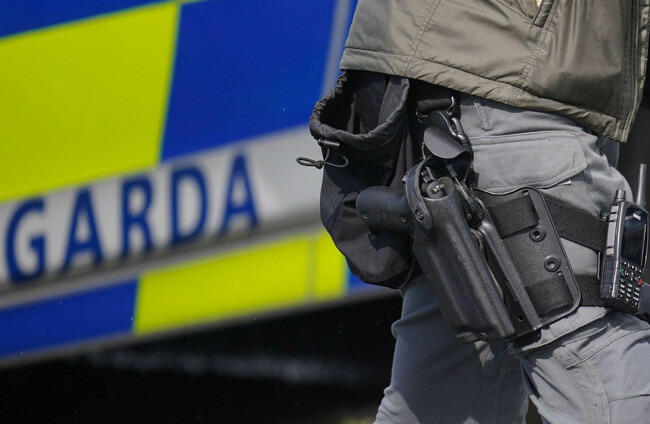
Alamy Stock Photo

Political violence: When does a threat meet the bar for Garda intervention?

A team has been set up inside the secretive Special Detective Unit to monitor the activities of politically motivated extremists.

GARDA ANALYSTS HAVE been monitoring an online ecosystem of rage filled posts over recent years, some of which can be defined as threats against individual politicians.

The issue of political violence was in the news once again this week in the wake of a series of alarming threats made against Tánaiste Simon Harris

Amid a backdrop of febrile political debate online, how do the agencies tasked with protecting Ireland’s politicians monitor the risk of online and other threats – and how do they make a call that a threat meets the bar for intervention? 

Sources we spoke to said that worries are mounting that online aggression is only getting worse. Those contacts said that the concerns for those providing security advice and close protection is that the threats will move from the online world to the real.

It is understood from a number of sources that a team, known as a “desk”, has been set up inside the secretive Special Detective Unit who are monitoring the activities of politically-motivated extremists. They are backed by national support services and local gardaí.

The Journal has learned that a recent competition was run inside the Garda organisation and a number of tactically trained officers from the Armed Support Unit as well as the Emergency Response Unit were among those selected to provide close protection to politicians. 

The team are liaising with local gardaí where at-risk politicians live and local managers have also drawn up operational plans to deal with ongoing issues. Sources have said that this does not just include monitoring hard-right activists but also far-left campaigners who are active on topics as diverse as conspiracy theories, anti-migration and Israel.

The SDU has a long history of successes against anti-State actors such as the IRA but the new online environment has led to requests inside the gardaí for more resources to monitor cyber activities. 

It is understood that some of the recent threats against Simon Harris and his family were spotted by people close to the politician who then alerted gardaí. The threats have not all been online posts but have included direct phone calls.

A senior source said that in the threats to Harris alone there are a myriad of potential offences  – from making threatening communications, to harassment and stalking to threats to kill.

Real world violence 

When it comes to threats, in general gardaí must have a complaint from the subject of the particular threat before beginning their criminal investigations. The vast majority of offences must be proven to have caused the politician or other victims to believe that the threat would be carried out or that it put them in “fear”. 

A lot of the monitoring of the online threats is being done not to initiate criminal investigations per se but often for the benefit of those providing close protection to the politicians.

Gardaí regularly, when intelligence identifies a threat against a person, go to the intended target and inform them of it. They give them written confirmation of it and also give security advice.

When an offence is detected it is fed in and can be kept for evidential reasons although it is understood that officers providing the close protection at local level are often not told the specifics.

There are also connections between the gardaí and law enforcement liaison officers inside communications and social media companies – they handle police requests for data and manage other law enforcement requests. Those connections are helped by the fact that some of those civilian specialists are former members of the gardaí.

One murky area of the work is the use of so-called “intercepts” or phone monitoring warrants – it is understood that gardaí have some capacity to perform that task in real time. Often, in ongoing threat scenarios, the gardaí seek permission from the victim to monitor their phones.

A number of politicians have been assaulted over recent years and those incidents are generally handled at local level. The offences specific to that can range from public order crimes to assault or criminal damage.  

Security assessment

Gardaí use a risk assessment decision making model to determine how they will respond to threats. 

An assessment carried out for the security of one senior politician meant that local garda management trained up a dedicated team of armed officers for a security post outside their home. 

While sources have asked we do not reveal operational detail the security detail can, if the threat is assessed as imminent, move politicians to assigned secure locations while enquiries are carried out.

One backroom handler for a senior Government politician warned of the mental health impact on their charge and said that there are real concerns of a Jo Cox or David Amess scenario here in Ireland. 

“There is a huge mental health toll to this and it is just worrying everyone – there are considerations by some senior people that they are wondering is it worth it.

“It is a constant and people are starting to think that we could see what happened in England here, all it will take is one lunatic,” one handler, who asked not to be identified, said. 

Jo Cox, a 41-year-old MP for Labour and a vocal supporter of the EU, was murdered in 2016 by Thomas Mair, a far-right extremist.

Another similar murder in the UK was that of David Amess, a British Conservative party politician, who was murdered in a Islamic State style terrorist attack in 2021.  

Recently new Garda Commissioner Justin Kelly said that the SDU was at the “vanguard” of efforts to monitor political extremism. 

Readers like you are keeping these stories free for everyone...
A mix of advertising and supporting contributions helps keep paywalls away from valuable information like this article. Over 5,000 readers like you have already stepped up and support us with a monthly payment or a once-off donation.

Close
JournalTv
News in 60 seconds