Sign in. It’s quick, free and it’s up to you.
An account is an optional way to support the work we do. Find out more.
Sign in. It’s quick, free and it’s up to you.
An account is an optional way to support the work we do. Find out more.
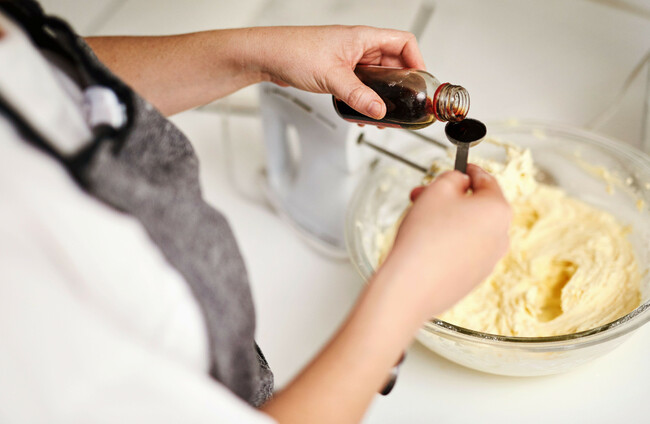
PANIC HAS ENSUED around the world after US President Donald Trump put a ream of tariffs on around 90 countries, including the European Union, in what he labelled a “declaration of economic independence”.
From pharma to farming, every industry has been rattled, wondering how they will be impacted by the extreme measures.
Lots of everyday essentials and popular luxuries could go up in price as companies adapt to a new market.
The EU had a blanket 20% tariff put on all its exports to the US, plus extra for certain industries. Worse again, Madagascar, which produces around 80% of the world’s vanilla, was hit with a 47% tariff.
Brian Malone of Dublin Spice Company spoke to The Journal about what the tariffs will mean for vanilla.
He says he’s used to a volatile market, but he’s struggling to see the logic in Trump’s “crazy” tariffs.
“[Vanilla] is something that America needs and people in Madagascar are not buying Teslas, so you’re not going to balance that one out,” he said.
It’s American consumers who are going to be hit very badly with this.
However, other vanilla producers with lower US-imposed tariffs, such as Uganda and Papua New Guinea, could stand to benefit. Trump imposed a comparatively low tariff of 10% on each of them.
The Dublin Spice Company’s biggest export is the US and Malone said they’ve previously seen “quiet spells” for the industry there, when people “don’t have the money to spend on luxuries” such as vanilla.
“The vanilla market in general is very, very wild anyway. The last five years has seen a fluctuation of about 80%.”
“It’s not directly from the tariff, it’s more just the fallout from the tariff’s impact,” Malone says.
It’s possible that, as the demand for a much smaller portion of the market increases, so too will the prices – and not just for Americans.
However, Malone says it won’t keep him up at night.
Going forward, it may be cheaper for the US to import vanilla from Europe, which can buy it from countries such as Madagascar without the large tariffs and then sell it on – a practice that already exists.
In that sense, European countries could make the tariffs work for them.
Malone’s experience living and working in Papua New Guinea for years has him well-placed to face whatever challenges lie ahead.
The Dublin Spice Company buys between 50kg and 150kg of vanilla at a time and sometimes, after sourcing it from Papua New Guinea, sells it on to countries like Germany, France and the Netherlands.

To embed this post, copy the code below on your site














have your say