Sign in. It’s quick, free and it’s up to you.
An account is an optional way to support the work we do. Find out more.
Sign in. It’s quick, free and it’s up to you.
An account is an optional way to support the work we do. Find out more.
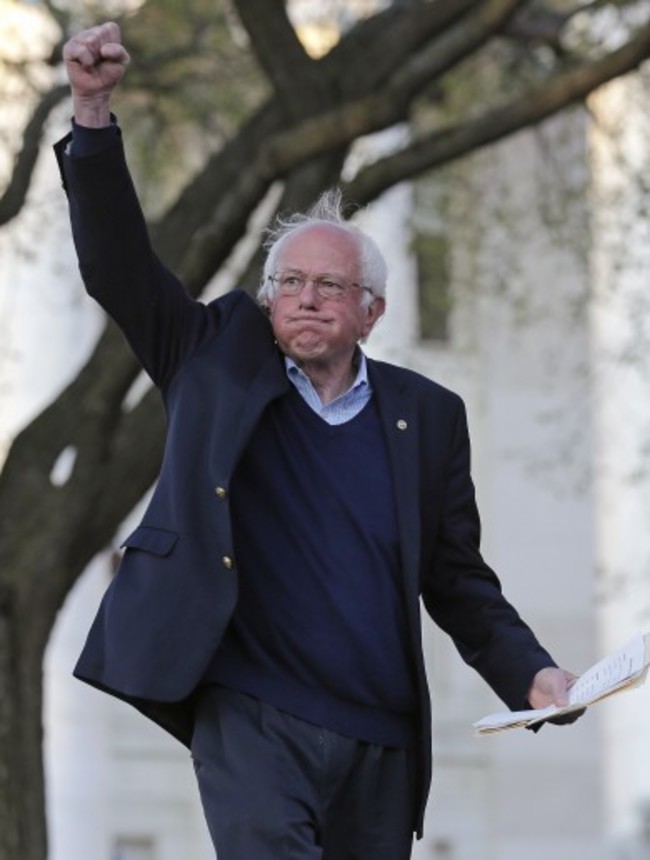
HILLARY CLINTON WON’T officially knock Bernie Sanders out of the US presidential race when five states go to the polls today, but she can erase any lingering honest doubts about whether she’ll soon be the Democratic nominee.
After her victory in New York last week, Clinton has a lead over Sanders of more than 200 pledged delegates won in primaries and caucuses.
As she narrowed Sanders’ dwindling opportunities to catch up, Clinton continued to build on her overwhelming support among superdelegates — the party officials who are free to back any candidate they choose.
Factoring in superdelegates, Clinton’s lead stands at 1,941 to 1,191 for Sanders, according to an Associated Press count. That puts her at 81% of the 2,383 delegates needed to win the nomination.
At stake today are 384 delegates in primaries in Connecticut, Delaware, Maryland, Pennsylvania and Rhode Island.
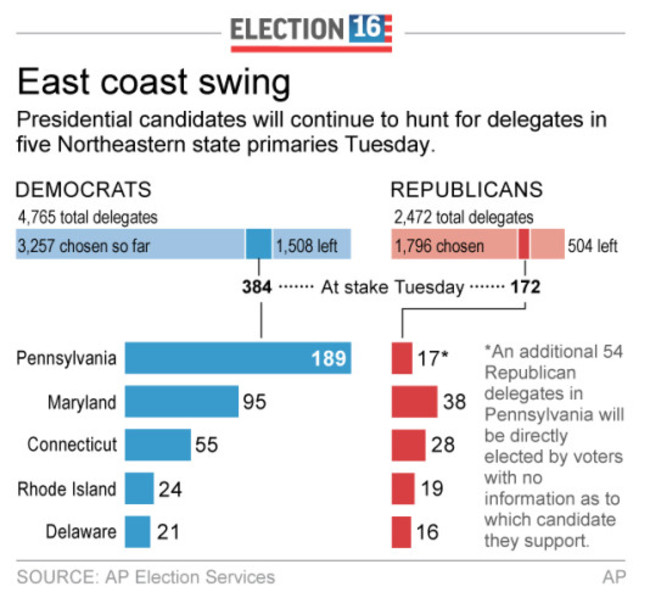
This group of contests offers Sanders one of the last chances on the election calendar to gain ground in pledged delegates and make a broader case to superdelegates to support him.
Yet it appears Clinton could do well enough today to end the night with 90% of the delegates needed to win the nomination, leaving her just 200 or so shy.
The Sanders campaign knows a tough battle awaits in those five states and says it will reassess its campaign after today.
If Sanders fails to win significantly in the latest primaries, he won’t have another chance to draw closer in a big way until California votes on 7 June. “We intend to take the fight all the way to California,” Sanders said on ABC’s This Week on Sunday.
Clinton is on track to have hit the magic number of 2,383 by that point.
Republican alliance
Meanwhile, in the Republican race, Ted Cruz and John Kasich have joined forces to try to deny frontrunner Donald Trump the party’s presidential nomination ahead of today’s five primaries, all of which Trump leads.
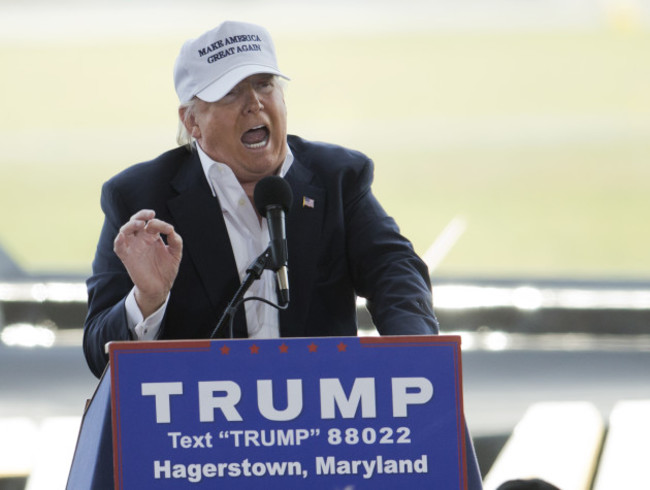
Under the arrangement outlined on Sunday, Kasich, the Ohio governor, will step back in the 3 May Indiana contest to let Cruz bid for voters who don’t like Trump. Cruz, a Texas senator, will do the same for Kasich in Oregon and New Mexico.
Trump has pushed quite close to amassing the number of delegates to the party convention in Cleveland in July that would ensure his status as the Republican standard-bearer.
But he is not there yet. And Cruz and Kasich know their only chance to stop him is a contested convention.
A candidate must secure 1,237 delegates to win the Republican nomination outright. Trump leads substantially in the delegate battle, with 846 delegates compared to 563 for Cruz and 147 for Kasich.
If Trump is to be denied, uncommitted delegates will have to go to Cruz.
Barely 36 hours before the voters in five states head to the polls, Trump lashed out at Cruz, accusing him of “bribing” all-important delegates as part of the convoluted primary system for choosing the Democratic and Republican nominees.
Trump has repeatedly described the process as rigged, and has mocked the party for allowing campaigns to bestow gifts such as flights and dinners on delegates.
Additional reporting by AFP

To embed this post, copy the code below on your site













have your say