Sign in. It’s quick, free and it’s up to you.
An account is an optional way to support the work we do. Find out more.
Sign in. It’s quick, free and it’s up to you.
An account is an optional way to support the work we do. Find out more.
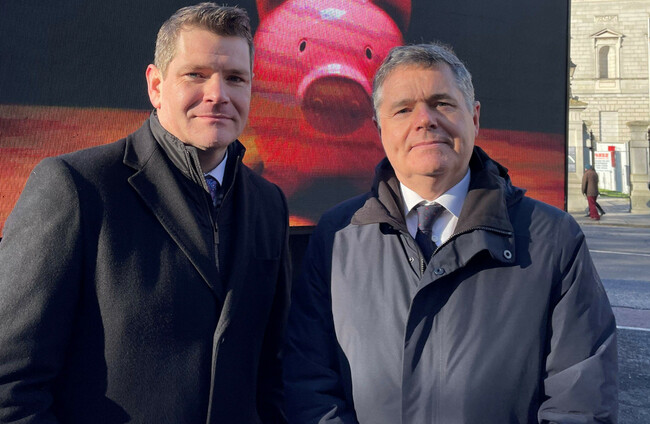
ENTERPRISE MINISTER PETER Burke has defended plans to cut VAT for the hospitality sector at a cost of €1 billion.
Speaking yesterday at Government Buildings, when outlining the government’s Summer Economic Statement, Finance Minister Paschal Donohoe outlined that there will be a €9.4 billion Budget 2026 package, of which €1.5 billion is set aside for tax cuts.
Donohoe, and other senior members of government, including the Tánaiste and Taoiseach said last month that all government parties have committed to delivering changes to VAT for the hospitality sector.
VAT for the tourism and hospitality sectors was reduced to 9% during the Covid-19 pandemic at a cost of €1.2bn to the exchequer. The previous 13.5% rate was reinstated last August, despite the sector’s opposition.
When asked how much it is estimated to cost for the measure to be re-introduced, Donohoe said yesterday it will cost €1bn for a VAT reduction from 13.5% to 9% for restaurants and cafes, meaning there would not be much left for further tax reductions for others.
He told reporters that he has always been clear that if the government greenlights this measure there will need to be “trade-offs” in terms of other measures that the won’t be delivered.
Speaking on RTÉ Radio One this morning, the enterprise minister defended the VAT reduction, stating that the tourism sector is a very important part of the economy.
“At this point in time, over 200,000 people are employed in it. It’s a €9 billion sector. And it’s so important to try and keep that sector sustainable,” said Burke.
Over the last number of years a very significant number of independent small food outlets and coffee shops have come under pressure, he explained, stating that many restaurants are closing their doors.
The minister said that the VAT reduction is a “jobs measure” that will sustain the employment in that sector.
“It is a viability measure, they are under significant pressure. We’ve had a lot of additionality from government, part of it over the last three years, in terms of regulatory requirements in the trajectory to a living wage and sick pay in so many areas that have put significant pressure on the sector and have reduced their margins.
“I’ve been in coffee shops and indeed restaurants where I’ve seen their margins diminish and some making a very significant loss that they weren’t the prior year, considering in many cases their trade and turnover has sustained,” said Burke.
Restaurants and cafes are struggling with higher business costs and in some cases reduced demand exacerbated by the increased cost of living, with many in the industry perceiving the reinstated higher VAT rate as a significant pressure on their businesses.
However, despite the government being determined to bring in the measure, Department of Finance advisory papers published earlier this month in advance of the next Budget, officials said that there are a “number of reasons” why going back to 9% “remains unjustified”.
It listed the cost to the state, the resilience of the domestic economy, and Ireland’s current position as being “not significantly out of line with other EU countries in relation to the application of VAT in this sector” as among the reasons.
“The cost is very significant,” it said.
The news that workers might not feel many benefits in the budget this October has resulted in SIPTU Deputy General Secretary, Greg Ennis stating that private sector workers have been short-changed by government.
In a statement this afternoon, he accused the government of “broken commitments” on pensions, increased sick days and measures to offset the cost of living crisis while announcing tax breaks for business in its summer economic statement.
He said SIPTU representatives have written to the the enterprise minister seeking an urgent meeting.
Ennis said failure to introduce meaningful measures to offset the cost of living crisis is being done at the same time as government promises to provide a VAT reduction to the hospitality sector which will cost the State an estimated €1 billion.
“This morning on national radio, the Taoiseach, Micheál Martin, stated that there was a prior commitment to the hospitality sector on a VAT reduction. However, what about the government’s prior commitments to workers with regard to increasing statutory occupational sick pay from five to seven days in 2025, progression towards a living wage in 2026, which has now been shelved until at least 2029, and the abolition of subminimum wages for young workers,” he said.
“Without the Government reaffirming and meeting its commitments for improvements for workers in the private sector and a cost-of-living package, the cut in the VAT rate in Budget 2026 will amount to another kick in the teeth to them and their families,” said Ennis.
He went on to state that the government has “gone too far” in placing the interests of business above those of workers.
When asked today if customers will see the VAT reduction passed on to customers and if there will be a reduction in prices for those dining out, Burke said:
“So critically it’s very difficult to ask everyone to pass it on but we need to ensure that we keep the jobs in the first place and that’s the prism I look through when I have a sustainability piece like this.”
The government focus now, in the midst of global uncertainty, is to protect jobs, said the minister.

To embed this post, copy the code below on your site













have your say