Sign in. It’s quick, free and it’s up to you.
An account is an optional way to support the work we do. Find out more.
Sign in. It’s quick, free and it’s up to you.
An account is an optional way to support the work we do. Find out more.
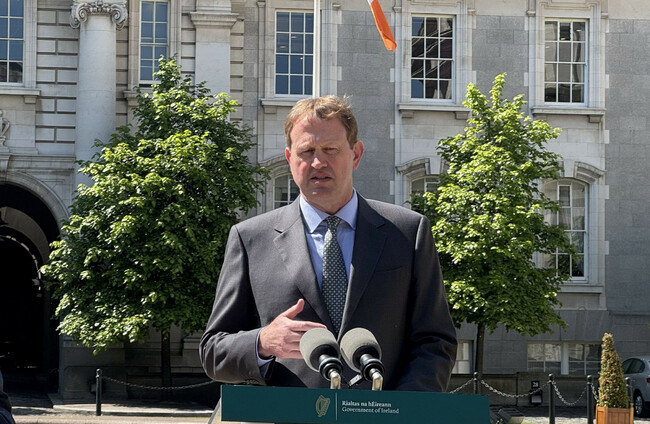
THE GOVERNMENT IS set to approve plans to introduce new criminal offences targeting the possession, production and distribution of extreme or violent pornography, as well as creating a standalone offence covering acts of necrophilia.
Justice minister Jim O’Callaghan will today seek cabinet approval to draft the legislation, which follows a recent High Court finding that Irish law currently contains no offence covering the possession of extreme pornographic material.
The proposed offences would apply to pornographic material depicting serious sexual violence, bestiality or necrophilia, including altered computer-generated or simulated images.
Statutory defences would be available for legitimate artistic, cultural or investigative purposes.
O’Callaghan said there was “growing recognition” that violent and extreme pornography was having a damaging impact on society.
“Violent and extreme pornography is now one of the most influential, accessible, and commercially powerful forces negatively shaping sexual development and behaviour,” O’Callaghan said.
“This material is having a harmful impact, particularly on children and young people, and is distorting healthy sexual development and contributes to perpetuating misogynistic attitudes.”
The Sexual Exploitation Research and Policy (SERP) Institute, which researches commercial sexual exploitation, welcomed the move, but said the legislation must reflect the reality of modern online pornography.
The organisation said research involving 15 and 16-year-olds found the vast majority had been exposed to violent pornography, most before finishing primary school, including depictions of slapping, strangulation, gagging and whipping.
SERP also pointed to its recent analysis of one of Ireland’s most-visited pornography websites, which found 65% of video titles contained content of concern.
The institute also found that 26% of titles referenced physical aggression, 24% mimicked or portrayed child sexual abuse, and 13% depicted incest.
SERP director Ruth Breslin said the legislation needed to capture the types of violent content that have become commonplace online.
“Legislation such as this needs to be crafted with great care to ensure it captures all of the harmful pornographic content that is so readily available online,” Breslin said.
“We urge the Minister to draw on the existing evidence base to ensure that Ireland’s new legislation reflects the true realities of pornography as a significant driver of gender-based violence.”
The government also intends to use Ireland’s upcoming Presidency of the Council of the European Union to push for a coordinated EU response to violent and extreme pornography and other forms of technology-facilitated gender-based violence.

To embed this post, copy the code below on your site















have your say