Sign in. It’s quick, free and it’s up to you.
An account is an optional way to support the work we do. Find out more.
Sign in. It’s quick, free and it’s up to you.
An account is an optional way to support the work we do. Find out more.
LAST UPDATE | 7 Apr 2022
EUROPEAN COUNCIL CHIEF Charles Michel has backed a proposal to release an additional €500 million to provide arms for Ukraine.
“Once swiftly approved this will bring to €1.5 billion the EU support already provided for military equipment for Ukraine,” Michel tweeted, thanking also EU diplomatic chief Josep Borrell for proposing the extra funding.
In the previous €500 million fund given after the invasion of Ukraine began on 24 February, Ireland contributed 1.9% of the total, or about €9 million overall.
Ireland has committed to funding non-lethal military support only as part of this fund – this involves supplying military materials like body armour and fuel.
The proposal was agreed by the 27 EU nations at ambassador level.
“This may seem like a lot, but €1 billion is what we pay Putin every day for the energy he provides us,” Borrell said.
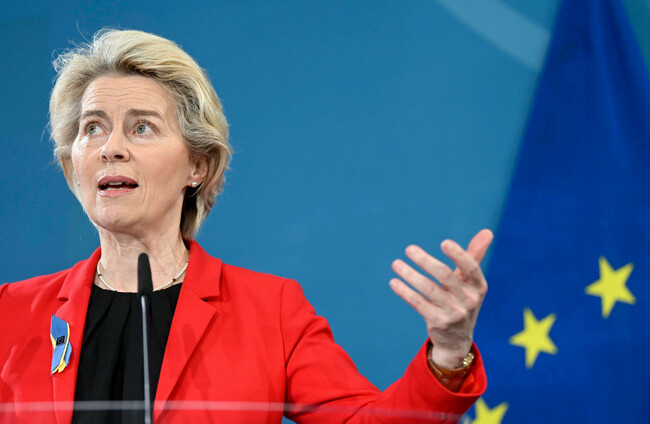
European Commission President Ursula von der Leyen announced earlier today that she would travel to Kyiv tomorrow to show Europe’s “unwavering support” for Ukraine in its fight against Russia, she said.
“The Ukrainian people deserve our solidarity. That’s why I will travel to Kyiv tomorrow,” she told reporters during a visit to Stockholm.
“I want to send a very strong message of unwavering support to the Ukrainian people and their brave fight for our common values”.
The EU had earlier this week announced that Von der Leyen would travel to Kyiv sometime “this week”, accompanied by EU diplomatic chief Josep Borrell.
The pair are to meet with Ukraine President Volodymyr Zelenskyy, before attending the Stand Up For Ukraine event in Warsaw on Saturday.
Their visit is to come after one made last Friday by the speaker of the European Parliament, Roberta Metsola – the first trip to Ukraine by the head of an EU institution since the war began.
The Czech, Polish and Slovenian prime ministers on 15 March visited Kyiv in the first trip by European Union leaders since the start of the Russian invasion on 24 February.

To embed this post, copy the code below on your site






have your say