Sign in. It’s quick, free and it’s up to you.
An account is an optional way to support the work we do. Find out more.
Sign in. It’s quick, free and it’s up to you.
An account is an optional way to support the work we do. Find out more.
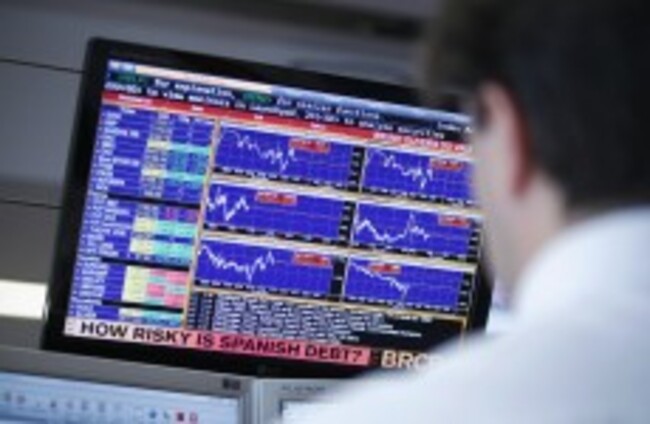
FOUR EUROPEAN COUNTRIES introduced overnight bans on ‘short-selling’ – betting on a drop in the value of some shares – in a bid to try and stabilise their fluctuating stock markets.
France, Italy, Spain and Belgium all adopted three-week bans overnight – the first time than main Western economies have decided to outlaw the practice since the UK and US adopted similar measures in 2008.
Those four countries have all seen particular volatility in the share prices of their banks, and had been
Short-selling essentially involves borrowing shares or bonds, selling them to others, and then buying them back later in the day at a lower price – allowing the investor to pocket the difference before they return the loan of the shares.
In some cases – what the BBC describes as “naked” short-selling – investors sell shares without even having borrowed them in the first place. They are usually able to manage this by seeking a retrospective loan after the sale.
The Financial Times adds that the bans are not applied across the board, but relate specifically to a list of named institutions in each country.
This morning, after opening in negative territory, European stock markets gained some small ground, apparently buoyed by the relative stability given by the bans.
Dublin’s ISEQ index, London’s FTSE 100, the CAC 40 in Paris and Frankfurt’s DAX index were all up around 0.7 per cent at the time of publication.
Markets in Asia ended their runs of consecutive losses, with the Hang Seng and Shanghai posting small gains, though the Nikkei continued its slump by shedding 0.2 per cent.

To embed this post, copy the code below on your site









have your say