Sign in. It’s quick, free and it’s up to you.
An account is an optional way to support the work we do. Find out more.

Sign in. It’s quick, free and it’s up to you.
An account is an optional way to support the work we do. Find out more.

FOR ANYONE WHO has ever struggled with a hangover, it’s no real surprise that alcohol can cause a severe mood dip. In fact, it can even cause anxiety, regardless of whether you’ve ever had it before.
Marion Rackard, Addiction Counsellor and Psychotherapist who works as Project Manager with the HSE Alcohol Programme explains that unfortunately, it can also affect our sleep and can in the longer term impede the development of healthy coping responses as well as intensifying any negative emotions we may be having.
It’s a depressant drug, which, depending on the amount consumed, can have a depressive effect the next day. If you have underlying anxiety and have drank a lot, your sleep will be disturbed and you will be very shaky the next day – both from dehydration and the effect of the drug.
And for people who are trying to keep fit, drinking can impact on cardio performance, endurance and energy. As Marion Rackard explains: “without alcohol, your endurance is better, reaction times are sharper and both muscle development and recovery from injuries are faster.”
When you combine alcohol with the pressures of being in the public eye and always having to outperform yourself on the field, things can get even tougher, as some of our most talented share below.
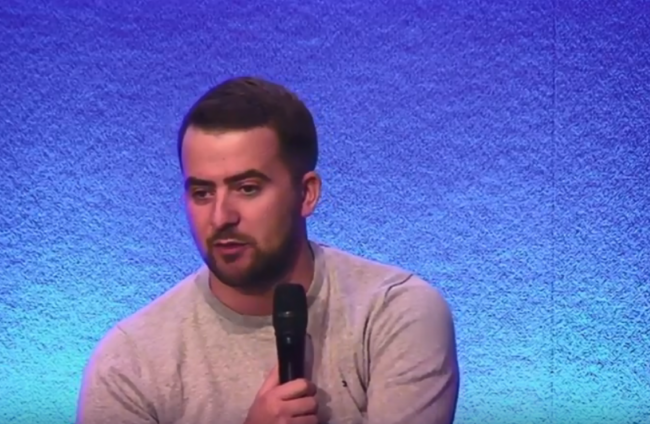
Cavan footballer (and as of 2016, bestselling author) Alan O’Mara first gained headlines for his talent on the field but in 2013, shared a brave and honest account of his experience of depression off the field that gained just as much attention.
He became the first active footballer to open up about his mental health, and within the piece he describes in detail how alcohol began to worsen his depression:
Things really spiralled downhill when that work came to an end. My energy levels declined and I rarely left the house. For a while the only thing I enjoyed was drinking but then the nature of the hangovers began to change. Sometimes I would just drink again to get rid of them.
The alcohol began to affect my train of thought. [...] One night while out, I found myself sitting on the lid of a toilet in a Dublin nightclub hiding from the world.
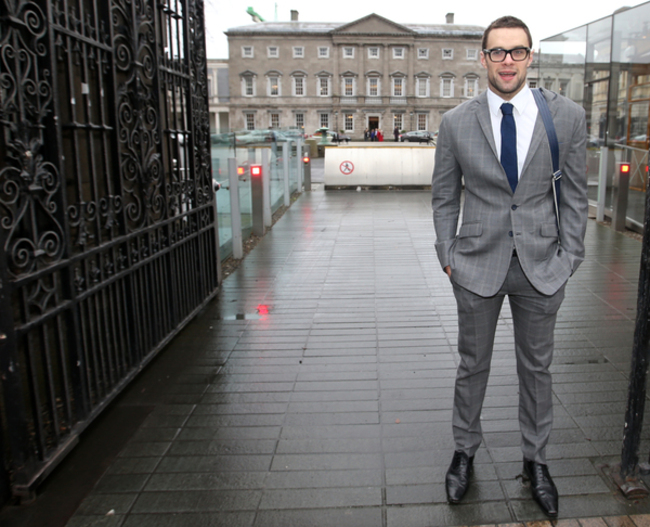
Having spent time as a Westmeath Gaelic footballer, Leinster Rugby player, lead singer of The Blizzards and presenter of The Voice of Ireland, Niall Breslin has achieved a lot. But what he’s most known for these days is his work as a mental health advocate.
Living with generalised anxiety disorder, he described to The42 how alcohol would often worsen how he felt, now recognising that he needs to be careful about drinking levels:
I try to eat healthy and avoid alcohol as much as I can — it f**ks me up to be honest. Then again, I still enjoy it, I still go out for a few pints with my mates. I just don’t do it in excess. But if I want to sit down with my family and friends and have a few drinks, I do.
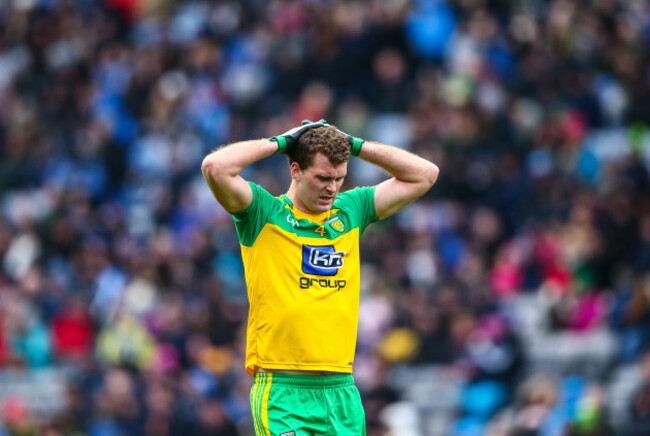
All-Ireland winner and former Donegal Gaelic football star of 13 years Eamon McGee opened up last year about his struggles with anxiety, panic attacks, and what he described as a “dangerous relationship” with alcohol on a Real Talks podcast.
I think it was apparent that I struggled off the field and as a result of that, I struggled on the field, too. For me, it was just culture at the time. [...] none of the lads suffered from anxiety attacks or panic attacks or they didn’t develop a dangerous relationship with alcohol.
In the same interview, McGee shared that it wasn’t just his mental health that suffered but his performance too:
A big enough social scene was a big part of it and unfortunately, I had other things going on in the background, too. When you add that in, it was just a bad combination. It wasn’t conducive to an elite athlete.
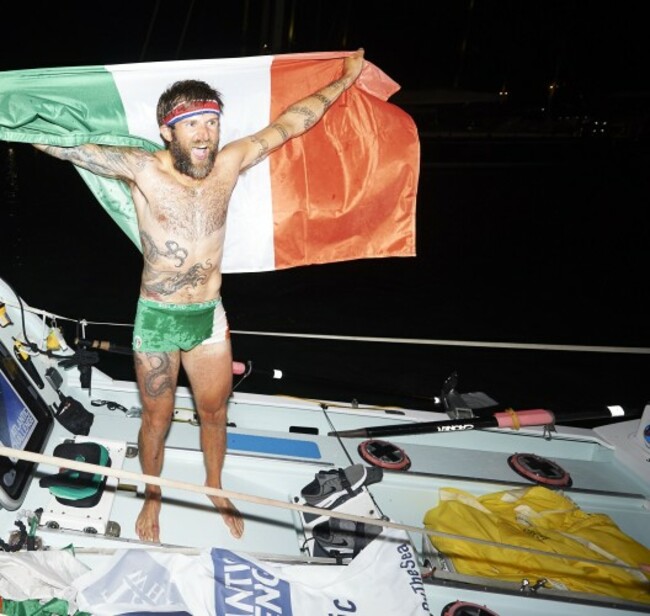
He may not be a household name but Gavan Hennigan definitely should be – around this time last year, he completed a gruelling 5,000km solo journey rowing across the Atlantic Ocean, sometimes rowing up to 19 hours in a day.
He told The42 how his determination was closely linked to making the most of his life, having had a very tough time in his early twenties:
I started drinking like most normal teenagers but I have an addictive personality and I suppose I took it three steps too far and I ended up in rehab at 21. I was in a pretty dark place. [...] Not long after that I tried to take my own life.
The impact his alcohol addiction had on his mental health made his amazing achievement last year all the sweeter – before his row he explained:
That’s why this row is really important to me because of what I’ve been through. Having gotten a second chance after coming out of rehab and from the brink of taking my own life, I’m determined to make the most of it.It makes it all a little bit more pertinent for me, to know that I’ve come from that place and now I’m challenging myself to do these big events.
Marion Rackard shares how your mental health can come under additional pressure if you’re living in the public eye, as those above were:
Alan, Eamon and Gavan all highlight their relationship with alcohol during sporting careers which offered an active and intense social life.They discuss their internal struggles related to the sport such as performance anxiety together with the consequences of excessive drinking such as depression, all of which can lead to a spiral into a loss of control and deep shame.
Although sport “can be a positive motivation to display great strength, drive, ambition and passion to represent their team county or country”, it creates even more pressure:
By its nature, being sportspeople can mean the emotional rollercoaster is higher and deeper and can leave some unable to handle the self doubt, fear of deselection, deep disappointment and even winning that success and failure brings.
Remember, problems feel smaller when you share them. If you need to talk, contact for free:
Depression and anxiety can affect anyone, regardless of age, sex or social status. The low-risk weekly guidelines are 17 standard drinks for men and 11 standard drinks for women with 2-3 alcohol free days. If you need more information about alcohol and the impact it could be having on your mental health, visit askaboutalcohol.ie. Let’s try to work towards a #HealthyIreland.
To embed this post, copy the code below on your site













have your say