The Irish Bank Officials Association is now telling its members at IBRC to cooperate with NAMA if they are interested in roles there having previously said it was “imperative” that they did not cooperate.
Labour has had to make some tough choices in government but, as a result, Ireland can be more confident about its future, writes Tánaiste Eamon Gilmore.
Five Deputies applied to join businessman David Hall’s challenge to the payment of promissory notes, saying it was in the public interest for the case to go ahead.
It was dramatic, chaotic, uncertain and very confusing as Ireland struck a deal to tear up the promissory notes and repay Anglo’s debts over a longer period. Here’s how it unfolded…
The government argues that swapping the €3.06 billion annual payments for long-term bonds is the best we could have got, but others argue we’re still paying the debt. What do you think?
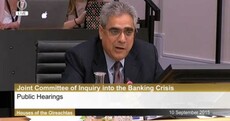
TDs will reconvene after 10pm tonight to discuss plans to transfer IBRC’s assets to NAMA – as part of a deal to replace the promissory notes with long-term Government bonds.

You have been and will be hearing a lot about promissory notes in the coming weeks but what’s it all about? We’ve taken your questions, come up with some of our own and asked the experts…
It’s back on the agenda as the Irish government seeks a deal to avoid paying back €3.06 billion due in March, but what do you want to know about those pesky promissory notes?
The former chief of the now defunct bank appeared with two other former directors at the Circuit Criminal Court today as a trial date was provisionally set for next year.
The only one of Ireland’s main banks not under State control makes the final payment to bondholders today bringing to over €20 billion the amount paid out by it and other banks this year.
The government is trying to do a deal on Anglo debt to avoid having to pay the €3 billion in March -but the ECB is warning that it may not be possible.
AT A HIGH-profile US Senate meeting, technology giant Apple was accused of using Ireland as a ‘tax haven’.
The multinational firm, which employs 4,000 people in Ireland, reportedly avoided paying €34 billion in US taxes by negotiating a tax rate of less than 2 per cent with the Irish government – significantly lower than that nation’s 12.5 per cent statutory rate.
The Senate heard that American children are losing out on education because Apple is transferring profits to Irish subsidiaries.
However, the Taoiseach Enda Kenny has denied that Ireland is a tax haven and rejected claims that authorities had negotiated deals with multi-national companies.
So, today we want to know, what do you think? Should Ireland be tougher on multi-national companies when it comes to tax?