Sign in. It’s quick, free and it’s up to you.
An account is an optional way to support the work we do. Find out more.
Sign in. It’s quick, free and it’s up to you.
An account is an optional way to support the work we do. Find out more.

THERE HAS BEEN a 568% increase in the number of bankruptcy adjudications before the courts.
A total of 448 people were declared bankrupt last year, up from just 67 in 2013.
Of the total, 432 people in debt initiated the proceedings themselves, while just 16 of these cases were initiated by the creditors.
Bankruptcy laws were amended to allow a person in debt emerge from bankruptcy after three years, while previously the term was seven years.
In total there were 941 applications under the debt resolution mechanisms introduced under the Personal Insolvency Act 2012.
‘Source of shame’
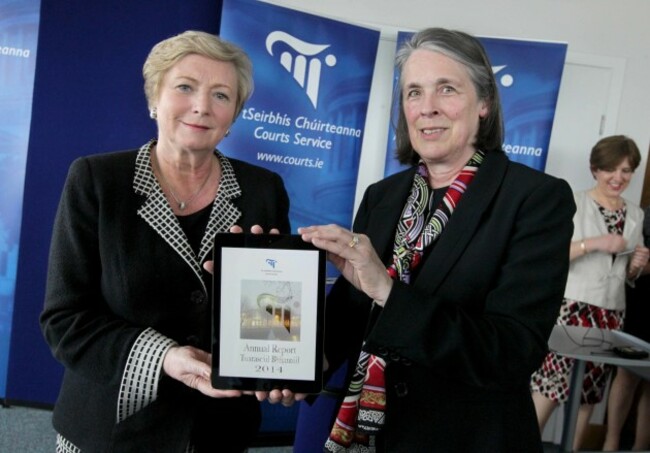
Launching the Court Services annual report today, Chief Justice Susan Denham said:
This is a dramatic turn of events, which indicates that people see bankruptcy as providing some protection, rather than as a source of shame, as may have been the case in previous generations.
There has also been a significant fall off in the number of cases relating to personal debt coming before the courts.
Chief Justice Denham said in previous years the courts have seen a “numbing level” of cases before courts relating to unpaid monies.
Last year judgements for debt marked decreased on the previous year by 21% in the High Court, 43% in the Circuit Court and 41% in the District Court.
Marked debt is the liquidated amount of monies where the sum is already known and sought after.
The significant decrease may indicate there are less instances of debt problems being allowed spiral to the point that people face court, said Chief Justice Denham.
She said the fall off in cases may indicate that those in debt situations “are engaging and coming to arrangements”.
This is particularly so where debt levels are for the lower amounts dealt with in the Circuit and District Courts. Summonses for non-payment of debts decreased by 34% in the District Court, while instalment orders decreased by 35%…
The latest figures also show that committal orders for non-payment – the last resort for those who refuse to pay and face prison – are down to 72.
While there are no concrete reasons why there has been a fall, it’s speculated that more debtors are making repayment arrangements and banks are becoming more open to repayment options for customers in difficulty.

To embed this post, copy the code below on your site













have your say