Sign in. It’s quick, free and it’s up to you.
An account is an optional way to support the work we do. Find out more.
Sign in. It’s quick, free and it’s up to you.
An account is an optional way to support the work we do. Find out more.
SEVEN YEARS OF negotiation, two years in ratification and now a stumble at the last hurdle - a small region in Belgium could put an end to a historic free trade deal between the European Union and Canada.
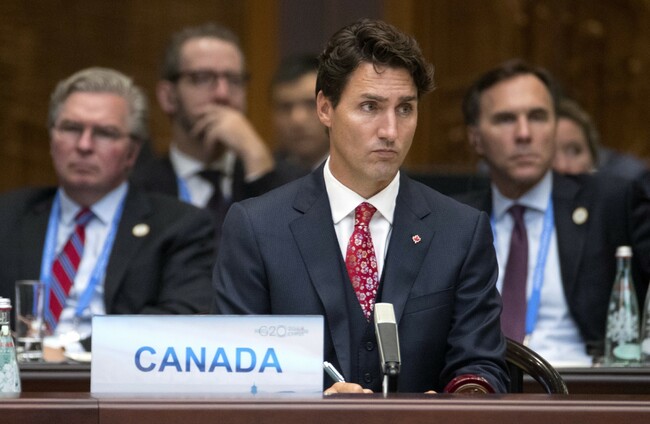
The deal, which was meant to be ratified at a signing ceremony in Brussels tomorrow, was due to be attended by Canadian Prime Minister Justin Trudeau.
At the weekend, the Canadian trade minister Chrystia Freeland, said it was Europe’s “job” to save a trade pact, which has forced political leaders trying to convince the French-speaking region of Wallonia to change their minds – before Thursday.
Sean Kelly, a Fine Gael member of the European Parliament, has called the entire affair “an embarrassment”, and thinks there is a lot to lose if this trade deal doesn’t do through:
Most people who would look at it objectively would say it’s the best trade agreement that Europe has ever done. And if we can’t have a trade deal with Canada which is a moral democracy, who can we have a trade deal with?
“But actually it’s the other way round, when we do deals with former communist countries there’s no word about it, but when we do deals with friends of ours, there seems to be a hullabaloo about it, it makes no sense.”
Another Irish MEP, Marian Harkin, said that they need to remove a part of the deal to get real support.
An investor court system mechanism is included in the deal, which aims to settle disputes between states and foreign investors – with some critics saying it could be used by multinationals to dictate public policies by suing the state.
Who’s got the power?
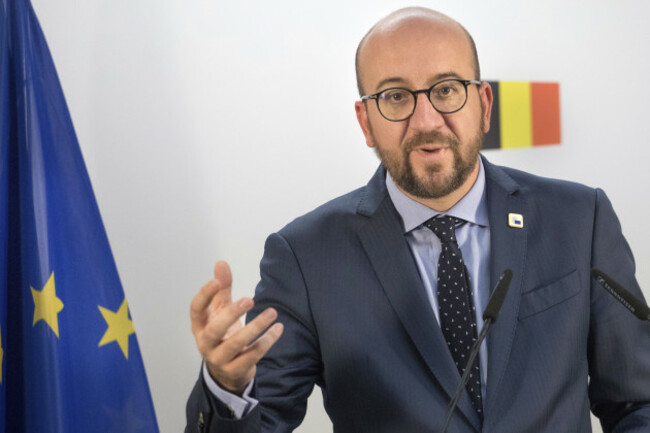
If you’re wondering why a small region in Belgium is able to put a stop to this agreement, while Irish citizens didn’t get a look in, here’s the background to Belgium’s government which allows regions to trump the centre of power.
According to Sean Kelly:
It’s absolutely ridiculous that a regional parliament in Belgium can hold up an entire agreement for the European Union.
Deal Ratification
When Belgium signs an international agreement, even one negotiated by the EU like CETA, each of the seven elected bodies must approve the deal.
In general, this ratification can take place after the signature – and provisional implementation – of the deal. The process can take years.
For CETA, the regional parliaments have been involved for months. After long consideration, lawmakers in Wallonia and the French linguistic community voted to reject the deal, on the grounds that it does not provide enough assurances on protecting the environment, farming or the role of multi-national companies.
Non-Wallonia Non-Trudeau
The EU needs the approval of each of the bloc’s 28 member states to agree to the signature of the CETA deal.
For Belgium to play its role, it in turn needs the green-light of its seven parliaments.
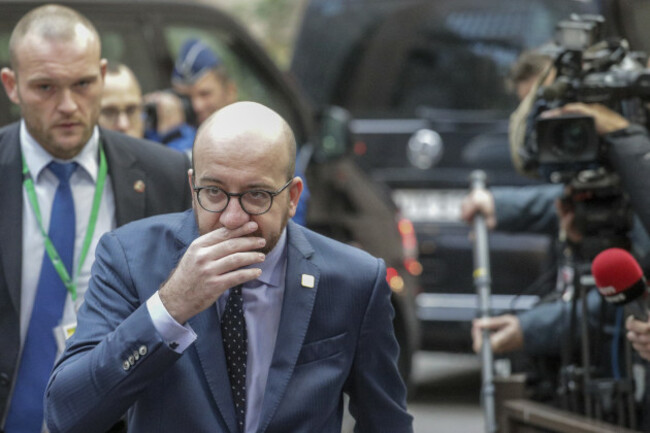
On Monday, after a brief meeting of regional leaders, Belgian Prime Minister Charles Michel conceded he had failed to get unanimous backing and so was unable to sign off on CETA.
“The federal government, the German community and Flanders said ‘yes.’ Wallonia, the Brussels city government and the French community said ‘no’.
Unless there is some last-minute breakthrough in talks between EU officials and Trudeau, tomorrow’s signing ceremony is unlikely to go ahead.
Additional reporting from Karen Coleman of EuroParlRadio
- © AFP 2016.

To embed this post, copy the code below on your site















have your say