Sign in. It’s quick, free and it’s up to you.
An account is an optional way to support the work we do. Find out more.
Sign in. It’s quick, free and it’s up to you.
An account is an optional way to support the work we do. Find out more.

TEACHING CHILDREN ABOUT money could help them develop good habits for the future.
That’s according to the National Consumer Agency which has outlined ways for parents to help their children save.
Schools across the country are also getting in on the act by encouraging students to save in banks and credit unions.
Director of SchoolDays.ie Annemarie Wade said many schools are now establishing a mini bank in the class and the students run it themselves.
She said that it opens on certain days and students can make withdrawals and lodgements. She described it as “a good example of life skills learning”.
Another parent said “It’s a really good idea and now I notice that if my child is given €20 as a gift, he’s putting at least half of that into his account”.
Online Teaching
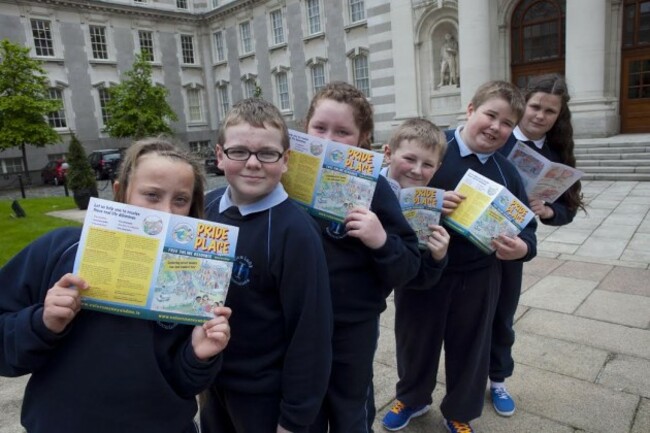
Ireland’s first free online teaching resource to help primary school children manage money was launched this week.
Primary school pupils can learn about the “practical and emotional issues around managing money” according to Experian, a global information services company.
Values, Money and Me deals with earning money, budgeting and saving through stories and engaging activities.
Declan Murphy, Commercial Director of Experian Ireland, said:
At Experian, we see every day how a lack of basic financial skills can impact on a person and the choices they make.
The resource has already been launched in the United Kingdom.
It has been piloted by teachers and pupils of Our Lady Immaculate Senior National School in Darndale for the past six months.
Cold hard cash
The National Consumer Agency says teaching a child about managing money at an early age can help them understand the difference between needs and wants.
It advises that pocket money can be a good way to start. The agency recommend three jars labelled spending, savings and future.
“Every time your child receives money they can decide how much they would like to put into each jar”.
Bank Account
Banks, credit unions and post offices offer children’s accounts and can be opened for as little as €1.
The National Consumer Agency says that “once the account is opened, you can encourage your child to lodge money from their savings jars into their account each week”.
It also says that a good way to teach children about making choices is to involve them in some household budgeting decisions.

To embed this post, copy the code below on your site














have your say