Sign in. It’s quick, free and it’s up to you.
An account is an optional way to support the work we do. Find out more.
Sign in. It’s quick, free and it’s up to you.
An account is an optional way to support the work we do. Find out more.

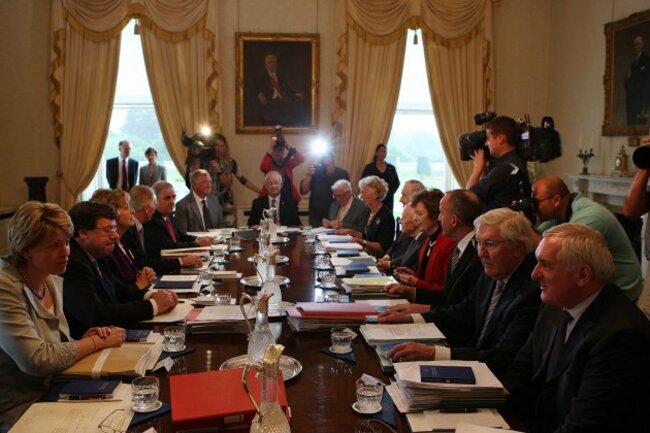
PRESIDENT MICHAEL D Higgins will convene his first meeting of the Council of State at Áras an Uachtaráin on Monday, marking the first time he has done this since taking office nearly two years ago.
The Council has met only 30 times since 1940 and Monday’s meeting is for the purposes of considering the contentious Protection of Life during Pregnancy Bill.
As we know, this legislation gives a woman access to an abortion where there is a real and substantial risk to her life, including risk of suicide.
But what is the Council of State and why is it discussing the abortion bill? Here’s everything you need to know, but were afraid to ask…
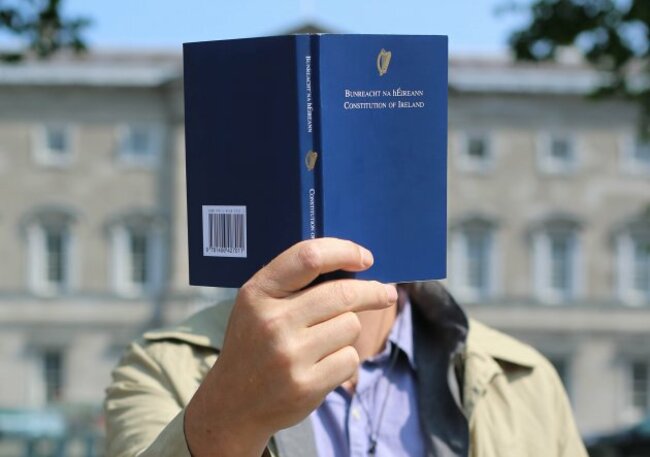
The Irish Constitution sets out that the Council of State is for the purposes of aiding and counselling the President. In order to perform some of his duties, the President is required to consult with the Council.
The Constitution also sets out in what circumstances the President must consult with the Council. These include when he wishes to convene a meeting of either or both of the Houses of the Oireachtas i.e. the Dáil and Seanad.
He must also consult with the council if he wants to communicate with the Dáil and Seanad by way of a message or address on “any matter of national or public importance” or if he wants to communicate with the nation.
The Council’s, er, counsel is also required if the President wishes to resolve a dispute between the Dáil and Seanad over a money bill or if he wishes to refer a bill to the people for a referendum.
These provisions are laid out in various articles of the Constitution. Under Article 26 the Council must be convened if the President wishes to refer a piece of legislation to the Supreme Court to determine whether it is “repugnant to the Constitution” or unconstitutional in layman’s terms.
This is why the Council is being convened on this occasion.
The Council has three categories of members: ex-officio (those who are members by virtue of their office), former office holders, and the president’s nominees.
Ex-offico members include representatives from the executive, the legislature and the judiciary. At the moment, the ex-officio members are:
Current former officeholders are:
There is also a spot reserved for the former Presidents of the Executive Council of the Irish Free State, the role that preceded that of the Taoiseach.
There are no surviving presidents of the council – the last was Éamon de Valera – and it has previously been proposed that this position be removed, though that hasn’t yet happened.
Finally, there are the President’s nominees:
The Constitution sets out that members appointed by the President may resign at any time or be dismissed if the President so chooses. In the case of former office holders they are members if “able and willing”. There is no way of dismissing them.
Every new member of the council must swear the following declaration: “In the presence of Almighty God I, do solemnly and sincerely promise and declare that I will faithfully and conscientiously fulfil my duties as a member of the Council of State.”
Not very often. Since 1940 just 26 meetings have been held to consider the referral of bills to the Supreme Court while just four have been held ahead of an address to the nation.
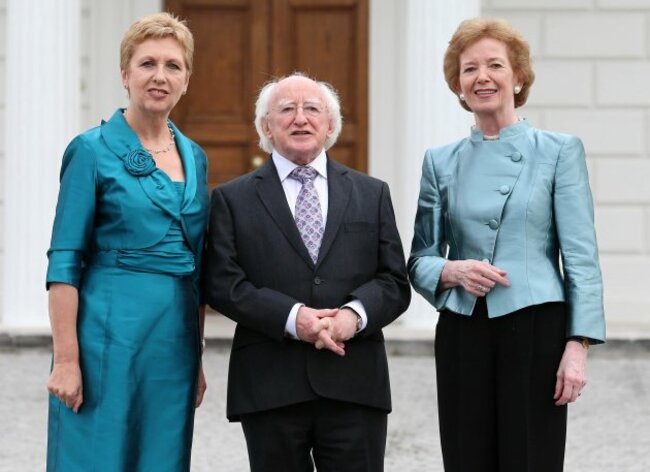
The two most recent officer holders – Mary Robinson and Mary McAleese- convened the council on 17 occasions between them. Robinson convened the Council to consider the referral of legislation on six occasions in her seven years in office and on two occasions in order to address the nation.
In McAleese’s case, between 1997 and 2011 she convened the Council to consider the referral of eight bills and on one occasion to address the nation.
Legislation has been referred to the court by the President on 15 previous occasions following meetings of the Council. But to give you an indication of previous form, the last four meetings of the Council to consider legislation were convened without that legislation being referred.
The last meeting of the Council was in December 2010 to consider the Credit Institutions Stabilisation Act, which had caused controversy for the amount of power it afforded to the Minister for Finance. In the end the bill was signed into law without referral to the court.
The last bill that was referred to the Supreme Court was the Health Amendment Bill or Nursing Homes Bill in 2004 which proposed to prevent retrospective payments to residents of nursing homes. It was struck down by the court.
One of the most controversial referrals came in 1976 when then President Cearbhall Ó Dálaigh referred the Emergency Powers Bill to the Supreme Court. This bill proposed to implement a state of emergency in Ireland following the assassination of the British ambassador by the Provisional IRA in July of that year.
The Supreme Court eventually determined that the bill was constitutional and it was signed into law on 16 October that year. On the same day the IRA set a booby-trap for gardaí at a house in Mountmellick, Co Laois resulting in the death of Garda Michael Clerkin.
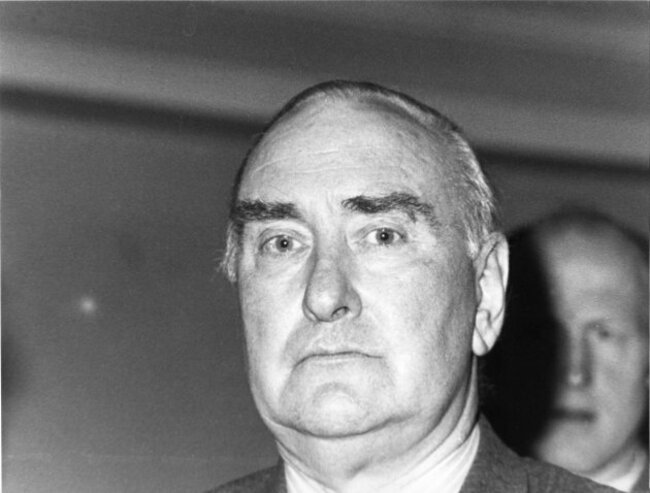
Ó Dálaigh’s referral of the bill – and resulting delay in it becoming law – was seen as having contributed to the garda’s death by many in government. The day after the garda’s death, then Defence Minister Paddy Donegan (below) attacked the President for his delaying of the passing of the legislation and described him, famously, as a “thundering disgrace”.
Donegan later offered to resign as Minister but this was refused by then Taoiseach Liam Cosgrave. In protest, Ó Dálaigh himself resigned, the first president to ever do so.
There are unlikely to be any resignations over this piece of legislation but a referral to the Supreme Court is considered likely by many constitutional law experts who believe that the bill will ultimately end up in the courts if it is not referred by the President.
The President must only consult with the Council, it is ultimately his decision as to whether or not to refer the bill. We are not privy to Council discussions but it is likely that President Higgins will seek the input of members who will share their views on the legislation.
Obviously we can expect the Taoiseach and Tánaiste to express their confidence in the legislation their government has worked hard on in recent months.
However, we know from public comment that former Taoiseach John Bruton is less than happy with the bill and has previously argued it may not be constitutional. That would lead one to believe he will push for the bill to be referred.
But we can’t be certain of that, nor do we have any idea what decision Higgins will make until it is announced.
The President must make a decision. In normal circumstances he would sign legislation between the fifth and seventh day after it lands on his desk - unless it is emergency legislation such as the recent IBRC liquidation bill which he signed less than an hour after it was passed by the Seanad.
The convening of the Council does not delay this process and the President must still decide whether to refer the abortion bill to the Supreme Court or sign it into law by this coming Wednesday – seven days after he received it.
Then the Protection of Life during Pregnancy Bill becomes the Protection of Life during Pregnancy Act, and a copy of it is sent to the registrar of the Supreme Court to hold on file.
The bill is also placed on the Irish Statute Book and a notice of the new law is posted in the the Iris Oifigiúil – the official State gazette which is published twice a week.
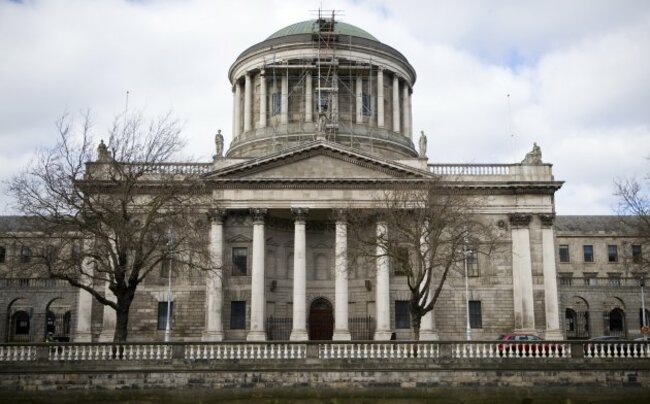
Then the bill remains a bill and trundles off the the Four Courts to be considered by the learned judges of the Supreme Court. They will have 60 days to reach a determination on the constitutionality of the bill.
We’ll explain more about this whole process if and when the bill is referred.
Pics: Photocall Ireland/Press Association

To embed this post, copy the code below on your site













have your say