Sign in. It’s quick, free and it’s up to you.
An account is an optional way to support the work we do. Find out more.
Sign in. It’s quick, free and it’s up to you.
An account is an optional way to support the work we do. Find out more.
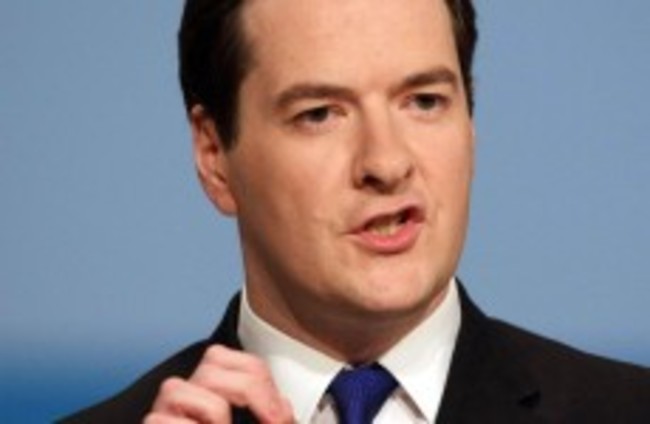
EUROPE’S MAJOR ECONOMIES demanded a replacement for the Lisbon Treaty, creating further fiscal and economic ties between Eurozone countries, Britain’s chancellor George Osborne has revealed.
Osborne told reporters that officials from the European Union, France, Germany and Italy want a new treaty superseding Lisbon – which infamously took several years to negotiate and ratify across the EU – at the weekend’s G7 conference in Marseille.
“I think it is on the cards that there may be a treaty change imposed in the next year or two, beyond what has already been proposed,” the Daily Telegraph quoted Osborne as saying, referring to the agreement already reached about upgrading the EU’s permanent bailout fund.
“This would be for the eurozone – this would be to further integrate the eurozone, [and] further strengthen fiscal integration”.
The Telegraph cited EU sources which said the formal proposal for a Eurozone treaty would be tabled at a summit of EU leaders next month, and said the treaty would require ratification by all 27 members, irrespective of whether they are Euro members or not.
Ratification in Ireland’s case would require a public referendum – which could be deeply emotive and divisive, given how Ireland is currently in an unpopular EU-IMF bailout and how it has rejected both the Nice and Lisbon treaties on the first time of asking.
The news follows Angela Merkel’s appeal last week for closer fiscal union between Eurozone members, saying there should be “no taboos” in seeking to further bind the member states.
The Wall Street Journal says Merkel added that the Lisbon Treaty “offers no effective foundation” for the Eurozone in the longer term.
Osborne further added that the British government would be drawing up a list of powers it wished to have returned to member states before it would agree to the prospective new treaty.
ECB president Jean-Claude Trichet, Eurogroup president Jean-Claude Juncker, Merkel and Germany’s finance minister Wolfgang Schauble have all previously insisted that closer financial ties between member states would mean a new treaty.

To embed this post, copy the code below on your site














have your say