We need your help now

Support from readers like you keeps The Journal open.

You are visiting us because we have something you value. Independent, unbiased news that tells the truth. Advertising revenue goes some way to support our mission, but this year it has not been enough.

If you've seen value in our reporting, please contribute what you can, so we can continue to produce accurate and meaningful journalism. For everyone who needs it.


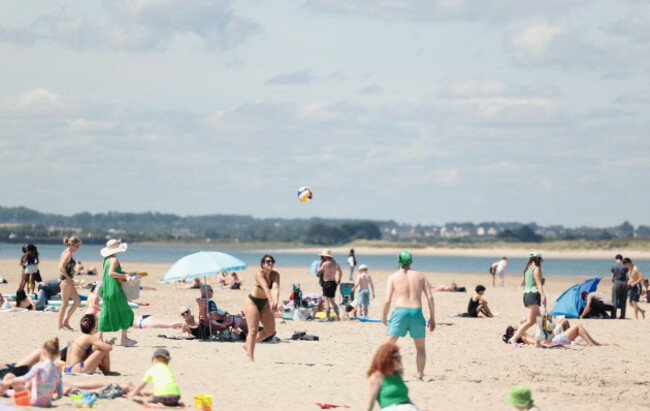
The RNLI are expecting people to flock to the coast during the upcoming sunny spell. Alamy Stock Photo

'It will be hot enough to be dangerous': How to mind yourself during this weekend's heatwave

Experts are advising people to take extra precautions to protect themselves, their families and their pets.

ARE YOU READY for it? 

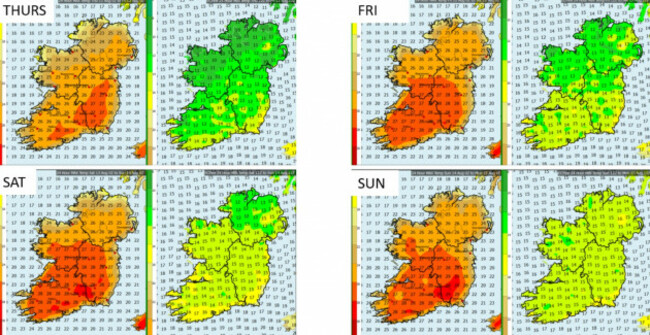
A heatwave is going to hit Ireland this weekend, with a status yellow high temperature warning issued for half the country tomorrow and the whole country on Saturday.

And while a sunny spell is always welcomed in Ireland, high temperatures can also pose some risks in a country that is not particularly used to it. 

Saturday’s weather is expected to reach up to 29 degrees, with Met Éireann warning of “an uncomfortable night for sleeping” ahead.

Public health expert Professor Anthony Staines said the upcoming weather will be “hot enough to be dangerous”, particularly for the elderly, the very young and people with heart issues.

“We’re not really used to that weather here, we don’t have huge experience,” he told The Journal.

Staines urged people to take it easy, wear light clothes and drink water regularly. To stay hydrated, he recommended consuming one litre of water every two hours, never leaving the house without water, and avoiding alcohol, tea and coffee.

“Never underestimate how much water you need. Bring three times as much water as you think you’ll need,” he said, particularly when taking exercise.

To stay cool at night, he advised keeping blinds closed during the day, drinking cool water and sleeping with light or no bedclothes and pyjamas.

The professor said people should enjoy the weather but prioritise safety. He said the number of deaths in the country is likely to increase during the heatwave. 

Screenshot_10-7-2025_15728_www.met.ie Saturday's weather is expected to reach up to 29 degrees. Met Éireann Met Éireann

Keeping your pets cool 

Dr Sophie Olah, the head of veterinary services at the Irish Blue Cross told The Journal that hot weather poses a “serious risk to pets, particularly dogs, cats, and smaller furry pets”, as many animals struggle to regulate their body temperature, making them vulnerable to heatstroke and dehydration.

Pets must have access to fresh, cool water and shaded areas at all times. Small furry pets, must be well groomed and have their accommodation kept out of direct sunlight, too. The Blue Cross suggested freezing some spring water from a tin of tuna to help keep cats hydrated. 

Dr Olah recommends not walking pets until the weather cools down, unless it’s very early in the morning or the temperature has dropped sufficiently in the late evening.

If you need to take your dog for a walk to use the bathroom, she said, “walk as slowly as possible, on as short a walk as possible, bring plenty of cool water with you and stick to shaded areas”. She also recommends keeping cats inside on hot days.

Generally temperatures become dangerous for pets at 20 degrees, but extra caution must be taken with older, flat-faced, and overweight pets and those with veterinary conditions, like heart-related issues.

Obvious signs of heatstroke in animals include collapse, excessive panting or breathing heavily, and dribbling. If your pet is displaying any of these signs, Dr Olah recommends moving the animals to a cool place, wetting their coat thoroughly, all the way down to their skin, and contacting a vet immediately.

lonely-dog-sits-and-waits-on-a-country-road Experts are advising dog owners not to bring their pets for walk in the extreme heat. Alamy Stock Photo Alamy Stock Photo

Sun safety

Basically, it’s time to get out the sun cream, with both the HSE National Cancer Control Programme and Healthy Ireland urging people to avoid getting a sunburn and to focus on staying safe. 

It’s recommended you keep a sun safety kit with you when you leave the house. The kit should include clothing that covers your skin, a wide-brimmed hat, sunglasses and sunscreen of at least 30+ SPF for adults and 50+ SPF for children.

The higher the UV index is, the greater the risk of skin and eye damage. The UV forecast is available on Met Éireann’s website at met.ie/uv-index, and if it’s above three, you should make sure to protect your skin and eyes.

Irish Cancer Society Cancer Awareness Nurse Sarah Egan told The Journal that more than 11,000 people in Ireland are diagnosed with skin cancer each year and 270 deaths occur from skin cancer annually, making skin cancer the most common cancer in Ireland. 

Being badly sunburned more than three times before the age of 20 doubles the risk of skin cancer as an adult, and getting a painful sunburn just once every two years can triple the risk of melanoma, the more aggressive type of skin cancer.

Egan recommended checking your skin from head to toe monthly to check for any changes. If you notice any changes that are unexplainable, persistent (lasting 3 weeks or more) or unusual, make an appointment with your GP.

Pharmacists are also advising people to take extra precaution during the hot spell, particularly outdoor workers.

The Irish Pharmacists Union said farmers can be exposed to 2 to 3 times more UV rays from the sun compared with people who work indoors, putting them at a higher risk of skin cancer.

They advised farmers to pay particular attention to areas of skin which are exposed to sunlight by using a wide brimmed hat and sunscreen to protect your ears, face and neck.

Sunny Weather-21_90729670 Sun safety should be prioritised during the hot weather. RollingNews.ie RollingNews.ie

Water safety

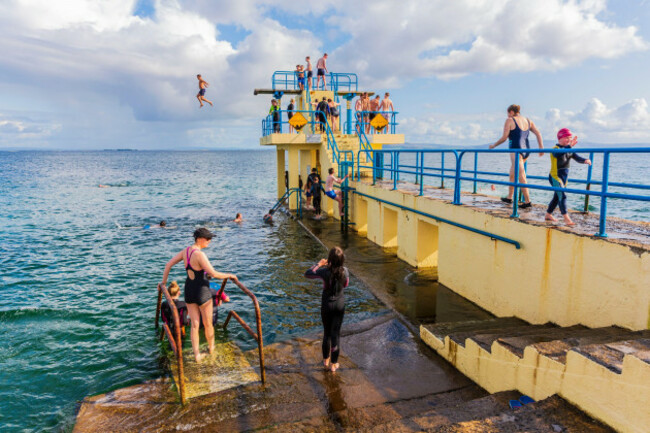
With the upcoming hot weekend, the RNLI is urging families in particular to prioritise safety when visiting the coast or waterways.

They advise people to only visit a lifeguarded beach, swim between the red and yellow flags, and never allow anyone to swim alone. They also recommend checking the weather forecast, tide times and local hazard signage to understand risks.

If you do find yourself experiencing difficulty in the water, adopt the float-to-live technique. Tilt your head back, with your ears submerged. Relax and try to breathe normally. Move your hands and legs to help you stay afloat if you need to. It’s fine if your legs sink.

This technique gives you the chance to rest and recover your breathing. Once you’ve regained control of your breathing, you can call for help or swim to safety. In an emergency, dial 999 and ask for the Coast Guard.

The ESB is reminding the people of the dangers of swimming in any ESB reservoir, which are all unsafe for swimming due to “deep, fast-flowing waters, fluctuating water levels, and uneven terrain”.

Martin Stronge of the ESB said: “It is important that people take note of the safety warnings which are visible on signs posted around ESB reservoirs.”

ireland-county-galway-the-diving-board-in-salthill The RNLI is advising swimmers to take extra care in the water. Alamy Stock Photo Alamy Stock Photo

Road safety

The Road Safety Authority is asking road users to be cautious on the roads this weekend as the increased heat and clear sunny conditions can cause a dangerous sun glare, which can result in drivers being temporarily dazzled or blinded by the sun.

The RSA said the fine weather can cause a spike in pedestrian, cyclist and motorcyclist casualties, urging people to be extra cautious at junctions. 

The RSA is advising drivers to reduce the risk by wearing sunglasses, ensuring you have adequate supplies of water, keeping your windscreen clear of grease or grime inside and out, and watch out for vulnerable road users such as pedestrians, cyclists, horse riders and motorcyclists. 

cars-being-blinded-by-low-winter-sun-driving-along-road-in-the-uk Road users are being warned about the dangers of driving in sunny conditions. Alamy Stock Photo Alamy Stock Photo

Anyone with questions or concerns about cancer can contact the Irish Cancer Society Support Line on Freephone 1800 200 700 or email supportline@irishcancer.ie

Readers like you are keeping these stories free for everyone...
A mix of advertising and supporting contributions helps keep paywalls away from valuable information like this article. Over 5,000 readers like you have already stepped up and support us with a monthly payment or a once-off donation.

View 19 comments
Close
19 Comments
This is YOUR comments community. Stay civil, stay constructive, stay on topic. Please familiarise yourself with our comments policy here before taking part.
Leave a Comment
    Submit a report
    Please help us understand how this comment violates our community guidelines.
    Thank you for the feedback
    Your feedback has been sent to our team for review.

    Leave a commentcancel

     
    JournalTv
    News in 60 seconds