Sign in. It’s quick, free and it’s up to you.
An account is an optional way to support the work we do. Find out more.
Sign in. It’s quick, free and it’s up to you.
An account is an optional way to support the work we do. Find out more.
VISITS TO ALL the historic sites across Ireland managed by the OPW are free today, as part of a new initiative designed to boost tourism numbers.
You’ll be able to look around any site without paying on the first Wednesday of each month for the rest of the year. At some OPW sites, the usual entrance fee can be as high as €11. Minister of State Brian Hayes told RTE radio this morning that the free visits could be rolled out further if they are a success.
Properties on the scheme include some of Irish tourism’s biggest hitters, such as the passage tomb at Newgrange, Kilmainham Gaol where the leaders of the 1916 Rising were executed, and the monastic site at Skellig Michael. But where else could you go, if you happen to have the day off? Here TheJournal.ie looks at three of the more unusual choices:
Uninhabited since 1978, Scattery Island in the river Shannon is now home to an eerily abandoned street of cottages, a lighthouse and the graves of the people who lived there. But perhaps it’s not surprising that the inhabitants moved away. St Senan, who founded the island’s monastery in the sixth century, found living conditions so harsh that he reputedly banned any woman from living – or even setting foot – on the outcrop.
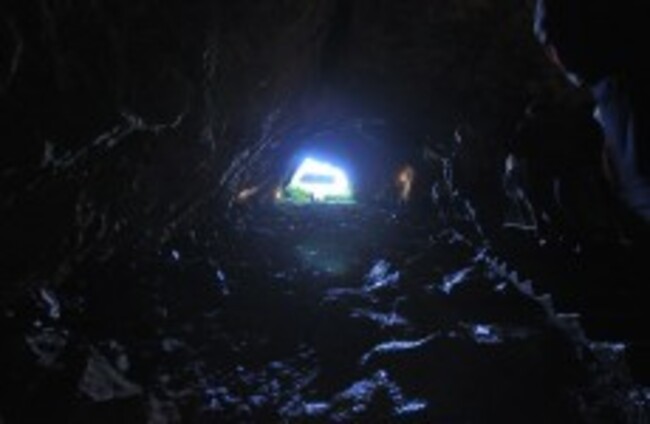
Dunmore Cave, between Kilkenny city and Castlecomer, has been a rich source of archaeological findings over the years: in 1999, 43 silver and bronze items dating from 970 AD were found stashed in a rocky cleft. But the cave is best known for being the site of a gruesome Viking massacre when ‘Godfrey, grandson of Imhar’ apparently slaughtered no fewer than a thousand people here in 928 AD.
The so-called Famine Warhouse in Ballingarry, Co Tipperary was the flashpoint of the failed Young Irelander Rebellion in 1848. Fleeing from the supporters of the revolution, the police took over the McCormack farmhouse with five young children inside, and refused to let them out – despite their mother’s entreaties. The house became the centre of a furious gun battle, but its walls were too thick and the police (and children) were eventually rescued by reinforcements. The rebellion had failed.

To embed this post, copy the code below on your site












have your say