Sign in. It’s quick, free and it’s up to you.
An account is an optional way to support the work we do. Find out more.
Sign in. It’s quick, free and it’s up to you.
An account is an optional way to support the work we do. Find out more.
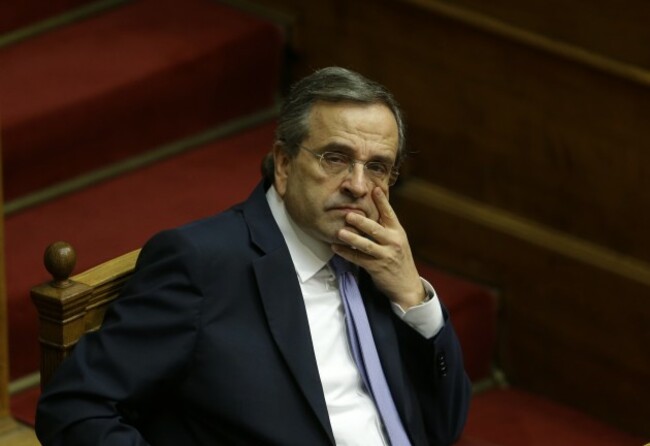
GREECE HAS UNEXPECTEDLY announced it would bring forward the first round of a high-stakes presidential vote to December 17 after getting a two-month extension from eurozone ministers to its bailout programme.
In a statement linking the two events, the conservative-led government said: “The political uncertainty must be lifted now. Prime Minister Antonis Samaras… asked the speaker of parliament to organise the presidential election as soon as possible.”
The vote had been due in February.
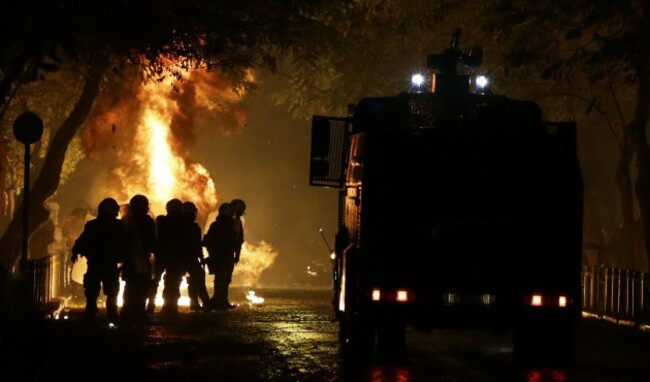
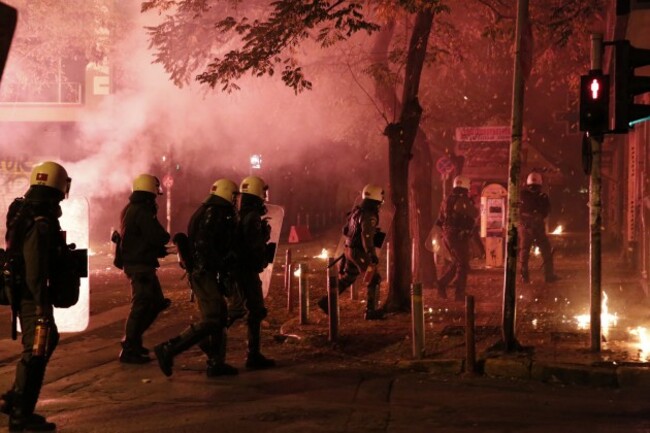
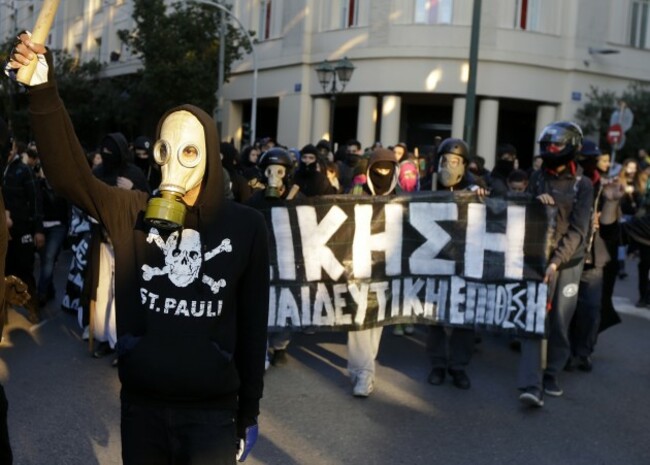
The timing of both the extension of the bailout and the decision to pull forward the presidential contest came a day after violent protests in Athens — with more than 300 arrested — and a budget vote in the Greek parliament that revived nightmare memories of the debt crisis.
“The coming period is essential to find an agreement (with the eurozone) to settle issues like the debt, and Greece has to have the full capacity to mobilise its forces in a climate of national unity and political stability,” the government said in its statement.
As protests — marking the sixth anniversary of the police killing of a teenager — raged on the streets of Athens, the parliament early Monday finally passed the disputed budget for 2015 by just 155 to 134 votes.
Agreement on the budget was required in order for Greece to receive the final payment that would bring its rescue package to a close.
Greece has set its sights on a new credit line, but this would require the previous bailout to be completed or terminated, and with a bitter row between the government and the creditors still ongoing, this seemed unlikely before the December 31 deadline.
At issue is the fifth and final review of Greece’s current bailout, which would be the last 1.8 billion euro instalment of almost 240 billion euros in rescue funds lent Athens since 2010.
“Despite this progress there is not enough to conclude the review now or before the end of the year,” said Eurogroup President and Dutch Finance Minister Jeroen Dijsselbloem.
“Given this we have concluded that the Eurogroup would be favourable to a request by Greece for a two month extension of the programme,” he said.
Political analyst Ilias Nikolakopoulos said the government’s move to rush out the presidential election presented pitfalls for the main opposition, anti-bailout Syriza party.
“If it comes to power in February, it will have no margin of time to negotiate with the troika,” he said.
The radical leftist Syriza party condemned the decision to bring the election forward.
“The decision — taken in agreement with the troika — to accelerate the presidential vote is a desperate attempt to hide the new (austerity) measures and blackmail the lawmakers’ vote,” said Syriza leader Alexis Tsipras.

To embed this post, copy the code below on your site














have your say