Sign in. It’s quick, free and it’s up to you.
An account is an optional way to support the work we do. Find out more.
Sign in. It’s quick, free and it’s up to you.
An account is an optional way to support the work we do. Find out more.

FOR MORE THAN 40 years, the wide-body jumbo jet ruled the skies. But with changes to aviation regulation, airline business strategy and improvement in turbofan engine technology, the days of huge aircraft are drawing to a close.
Since its introduction in 1969, the Boeing 747 has transformed the way people travel. With its ability to fly 500 passengers 6,000 miles, the jumbo jet allowed airlines to reach new destinations while achieving profitability by lowering the per-seat cost of operation.
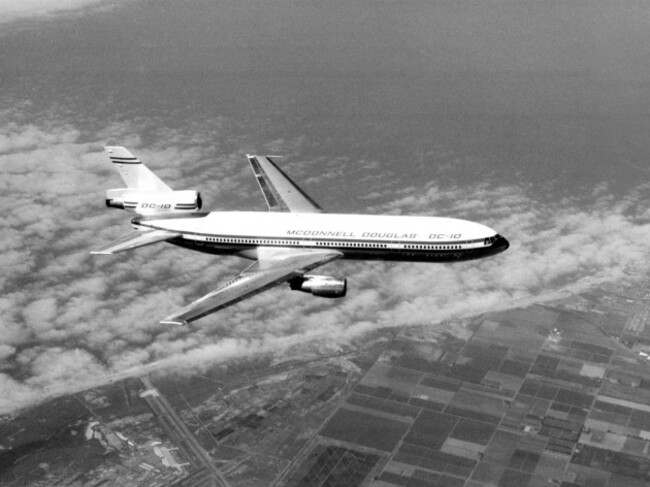
Over the years, the big Boeing was joined in the long-haul wide-body market by offerings from McDonnell Douglas, Lochkeed and Airbus. In 2005, Airbus introduced the double-deck A380-800 — perhaps the most capable rival the Boeing jumbo jet had ever encountered.
But these days Boeing and Airbus are having a hard time finding new buyers. The cost of purchasing such a large aircraft, combined with the fact that they’re relatively energy inefficient, makes them impractical.
Demand for the big jets has also dwindled as aviation regulations changed, airlines moved away from the hub-and-spoke model for their routes, and as jet-engine technology improved — making it safer for aircraft to fly long distances with just two engines.
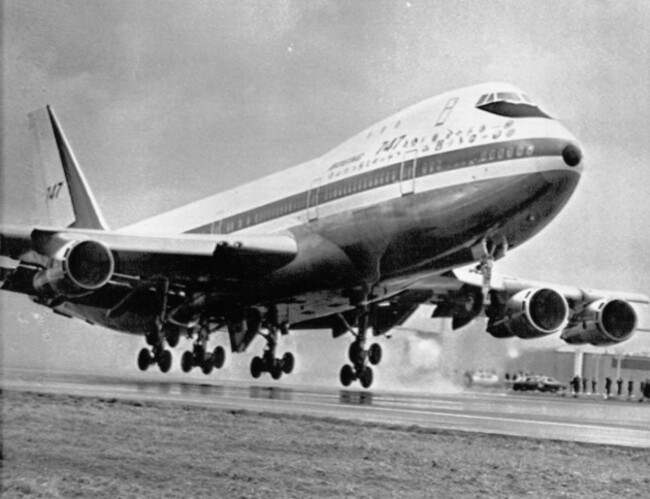
In the last eight years, Boeing has sold just 45 jumbos — the majority of which are to be deployed as heavy freighters, and earlier this year Boeing announced it will be cutting back 747 production to just one per month. Airbus hasn’t won an airline order for the double-decker jet since it sold Emirates a batch two years ago.
James Hogan, the chief executive of Emirates’ rival Etihad, was unequivocal when asked by Business Insider if the group will buy another four-engine jet.
“No, we’re done,” Hogan said. ”We just believe in two-engine technology — they are much more efficient.”
If fact, Virgin Atlantic CEO Craig Kreeger told Business Insider earlier this year that he’s surprised Airbus was able to find as many takers for the A380 as they have.
Long-distance and transoceanic flights were traditionally exclusively covered by the 747 and its fellow three- or four-engine, wide-body jumbos because, when it comes to the engine count on an airliner, the thinking was that there is safety in numbers.
But as modern turbofan engines became more reliable, and engine failures far less common — the thinking and the regulations changed. As a result, most airlines have turned to twin-engine mini-jumbos that are more fuel efficient.
Furthermore, airlines are moving away from the “hub and spoke” business model that calls for massive numbers of the passengers to be routed through a single mega-hub. Smaller, fuel-efficient jets such as the Boeing 787 Dreamliner allow airlines to offer passengers nonstop, point-to-point service without transiting through a hub.
Here’s a look at the glorious past of the jumbo jet.
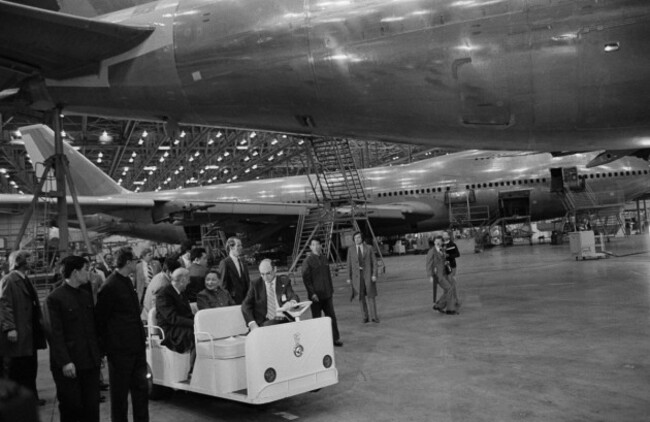
This group of people became known as the ‘Incredibles’.
As the legend goes, Pan Am boss Juan Trippe told Boeing he needed a plane twice the size of the Boeing 707 the airline operated at the time.
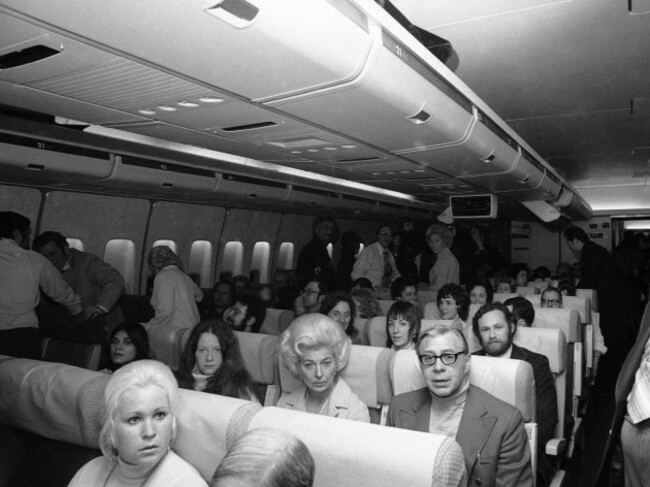
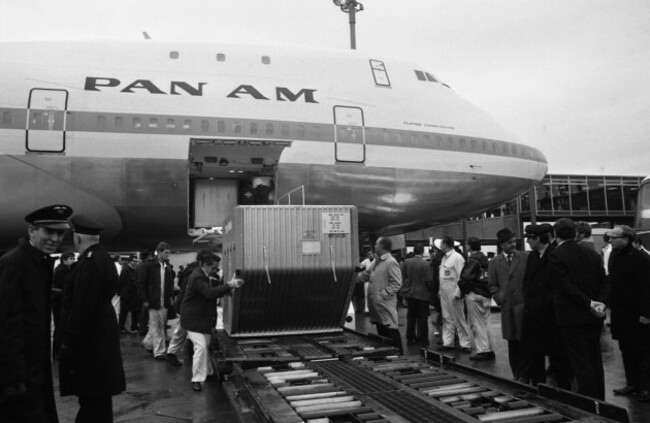
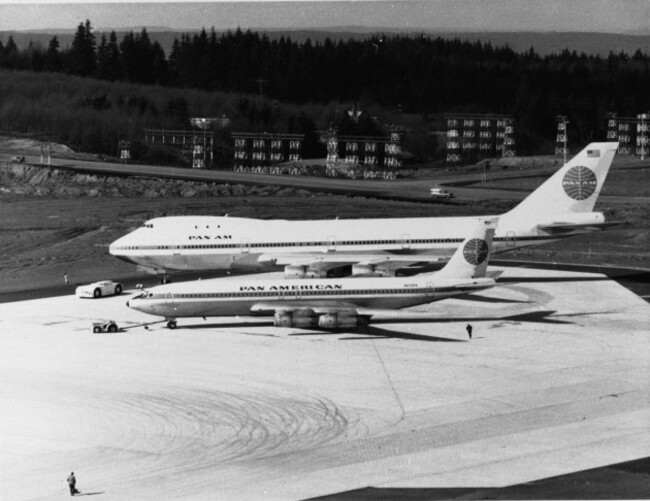
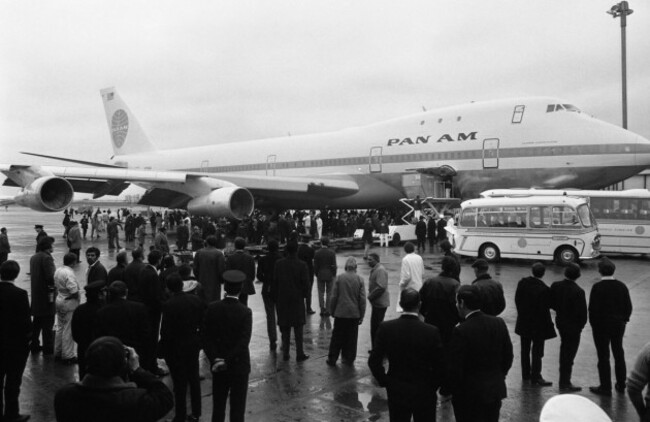
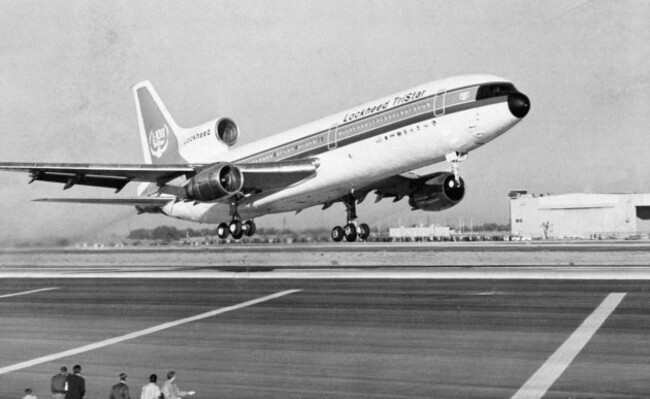
Boeing followed up the original 747-100 with a new variant in late 1971 with more powerful engines and greater range called the —200 series. A decade later, Boeing updated the 747 again with newer engines and an enlarged second deck. This version was called the —300.
The —300 didn’t prove to be as popular as Boeing would have liked. So, in 1989, Boeing launched the —400. It featured modern avionics, a fully glass cockpit and greater range. It would go on to be the most popular of the 747 variants.
In 2011, Boeing launched the latest version of the jumbo jet, called the 747-8. At 250 feet long, it’s the longest airliner ever built.
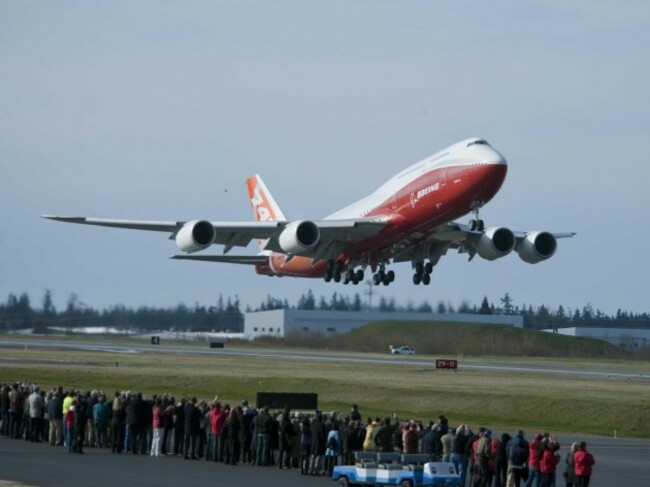
Over the years, the 747 has been deployed in a variety of ways, ranging from firefighting water tanker to Space Shuttle carrier.
But the 747 really became a cultural icon when it was the plane the world’s major airlines had to have, including British Airways, Lufthansa and Qantas. For many years, it seemed as if you weren’t playing in the big leagues unless you were flying the jumbo.
Over the years, Boeing has sold more than 1,500 747s.
Unfortunately, it looks unlikely the jumbo jet will survive its latest slew of challengers, which include Airbus’ double-deck A380 superjumbo and the A350XWB twin-engine “mini-jumbo”.
The 747 has also lost sales to its corporate siblings — the 777 mini-jumbo (pictured) and the 787 Dreamliner.
To compensate, Boeing has slowed down production of the 747 to just one aircraft a month in an attempt to buy the sales team more time to generate orders.
Even though sales of the new jumbo are slow, with proper maintenance the so-called queen of the skies can be with us for decades. So we’re just at the beginning of the end of jumbo era.

To embed this post, copy the code below on your site














have your say