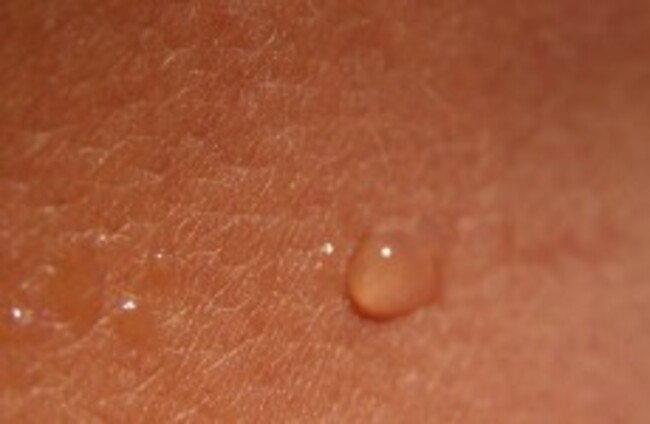
RESEARCHERS AT THE University of Limerick studying skin chemistry have made a breakthrough that could change the way diagnoses are made – and perhaps even replace invasive procedures like biopsies.
UL researchers developed the new method when attempting to capture the chemical histamine during a study of the skin condition psoriasis. The new method, known as microdialysis, involves a microscopic hollow tube being inserted into the skin and a solution being passed slowly through it; chemicals or biological markers can then be caught and collected for examination.
Prof William O’Connor, Head of Teaching and Research in Physiology at UL’s Graduate Entry Medical School, who led the team, said that microdialysis offered the ability to study the living skin without causing any damage. Currently, he explained, the only way to monitor the skin is by biopsy – which is highly invasive and can only test dead skin.
For more information read June Shannon’s report in the Medical Independent>


Comments (1 Comment)