Sign in. It’s quick, free and it’s up to you.
An account is an optional way to support the work we do. Find out more.
Sign in. It’s quick, free and it’s up to you.
An account is an optional way to support the work we do. Find out more.
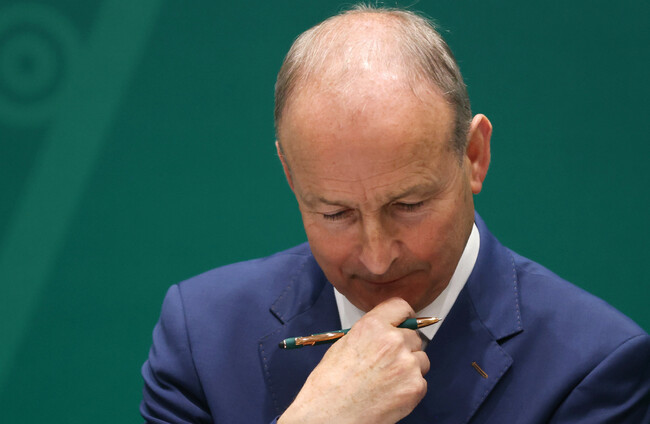
DOUBLING THE RENTERS’ Tax Credit to €2,000, something Taoiseach Micheál Martin pledged to do before the general election, will cost €160 million, according to an expert advisory panel at the Department of Finance.
The Tax Strategy Group papers which advise the government prior to the government, sets out that increasing the tax credit would incur varying costs to the Exchequer depending on how much the credit is raised.
In an interview with The Journal, prior to the election, Martin outlined some of his party’s housing priorities, pledging to boost the Renters’ Tax Credit to €2,000 per person.
Currently, the credit amounts to €1,000 per person or €2,000 per couple claiming.
Martin said that people needed to have some financial pressure alleviated and the tax credit would help, stating:
At a minimum, we would like to double it in the next government.
Fine Gael, in its election manifesto promised to increase Rent Tax Credit to €1,500 per renter or €3,000 per couple, to support tenants in managing expenses.
In the programme for government, there is a commitment to progressively increase the Rent Tax Credit.
Revenue estimates that increasing the credit by €100 for single people and €200 for jointly assessed couples would cost the Exchequer approximately €20 million annually, the newly published tax papers set out.
A larger increase of €500 for single people and €1,000 for jointly assessed couples would cost €95 million annually, while doubling the value of the credit to €2,000 for single people and €4,000 for jointly assessed couples would cost €160 million, the review states.
The Summer Economic Statement set out that this year’s €9.4bn budget includes a €1.5bn tax package.
The largest group of claimants of the tax credit are young adults between 21 and 30 years old, the tax experts state. This is followed by individuals aged between 31 and 40 years old.
“This indicates a strong uptake of the relief and likely a larger renting population in this cohort.
“The difference between the amount of credit claimed and the amount of credit used is higher for the younger cohort; the difference tends to decrease as the claimants’ age increases. This is likely to reflect lower incomes and hence less tax paid in the younger cohorts,” the review reports.
More than half of the Renters’ Tax Credit claimants have a gross income lower than €40,000, while claimants reporting a gross income larger than €100,000 account for 7% of all claimants.
Claimants with lower gross incomes also show lower rates of credit used over the total amount claimed, with the report stating that this is most likely because they have not paid sufficient income tax to fully absorb the tax credit.

To embed this post, copy the code below on your site















have your say