Sign in. It’s quick, free and it’s up to you.
An account is an optional way to support the work we do. Find out more.
Sign in. It’s quick, free and it’s up to you.
An account is an optional way to support the work we do. Find out more.
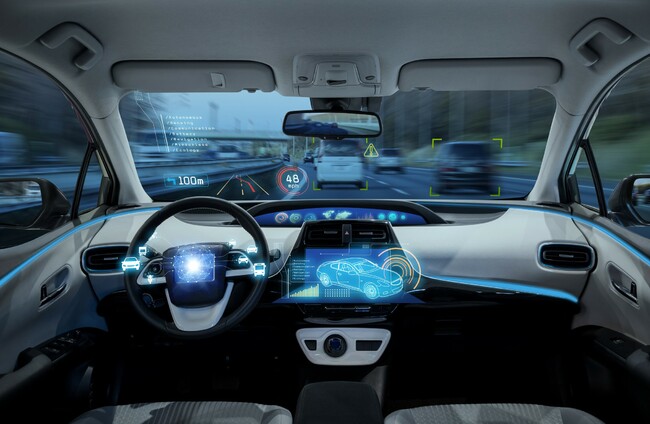
THE HEAD OF The Road Safety Authority (RSA) has said decisions on criminal liability will have to be made carefully when legislation relating to self-driving cars is developed.
Speaking today at the annual conference of the Law Reform Commission, Moyagh Murdock referenced the death of a woman in Arizona after she was struck by an autonomous car. 49-year-old Elaine Herzberg was crossing a road with her bicycle when the car, which was being tested by Uber, hit her.
Uber, the manufacturer of the vehicle was not found to be liable for the crash. However documents recently released by the National Traffic Safety Board revealed the vehicle was not programmed to react to people who were jaywalking.
“This poses a lot of ethical questions,” Mordock said.
“If the car can’t recognise every single human body, whether they be an adult or a child, if they mistake a child for a dog and it’s programmed to protect the driver in this event because it assumes there’s a lesser being in jeopardy there, how does that play out in terms of legislation? Who’s liable there? The car is just doing what it’s programmed to do.”
She said the question of liability is a difficult one, but she questioned the level of backlash against self-driving cars after this one event, compared to the reaction to road deaths caused by human behaviours and errors.
“Bear in mind in Arizona last year there are over 1,000 people killed on the roads. In America for the third year in a row there were over 40,000 people killed on the roads. And this one collision hit the headlines and it almost stalled the development of connected autonomous vehicles (CAVs),” Murdock said.
We have a lot of scepticism around it. A question I always ask is; we are so sceptical of CAVs because of one crash or another crash and yet there’s no outcry about the level of deaths on our roads because of drink driving. There is nobody rushing out there to sue the alcohol producers, no one out there [pushing] to ban alcohol.
We seem to have a tolerance for a certain amount of impaired driving due to human behaviour, but if there’s an impairment on a vehicle from a software perspective we cry fire and decide this cannot be allowed to go on.
Although there is uncertainty around liability and concerns about the collection of data by these vehicles – and how it will be used – Murdock said she believes autonomous cars will bring improved road safety.
“People will modify their behaviour if they believe they’re being monitored and if their insurance depends on them complying with certain aspects of driving behaviour,” she said.

To embed this post, copy the code below on your site









have your say