Sign in. It’s quick, free and it’s up to you.
An account is an optional way to support the work we do. Find out more.
Sign in. It’s quick, free and it’s up to you.
An account is an optional way to support the work we do. Find out more.
 Source: AP/Press Association Images" title="">
 Source: AP/Press Association Images" title="">
 Source: Bullit Marquez" title="">
 Source: Bullit Marquez" title="">
 Source: Bullit Marquez/AP/Press Association Images" title="">
 Source: Bullit Marquez/AP/Press Association Images" title="">
 Source: Bullit Marquez/AP/Press Association Images" title="">
 Source: Bullit Marquez/AP/Press Association Images" title="">
 Source: AP Photo/Bullit Marquez" title="">
 Source: Bullit Marquez/AP/Press Association Images" title="">
TYHPOON HAIYAN WAS one of the strongest tropical cyclones since records began.
More than 7,000 people died after the deadly storm tore in off the Pacific Ocean with the strongest winds ever recorded on land and generated tsunami-like storm surges more than two-storeys high.
Before making landfall, Typhoon Haiyan’s wind speeds were estimated to be between 235 and 315 kph.
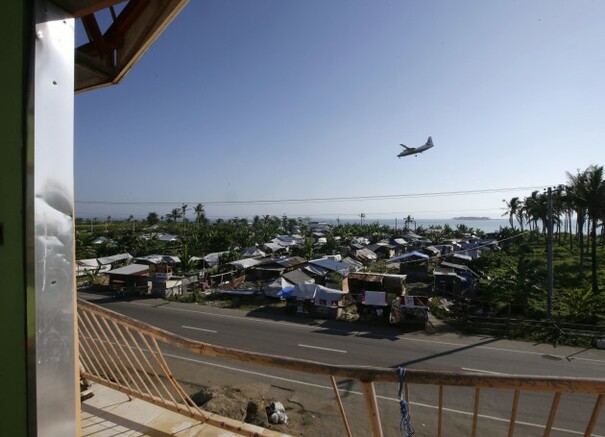
The Philippines was left devastated by the event. Almost four million people were left homeless, and many millions more left without vital infrastructure after €2.3 billion worth of damage was caused to the country.
Recovery has been slow.
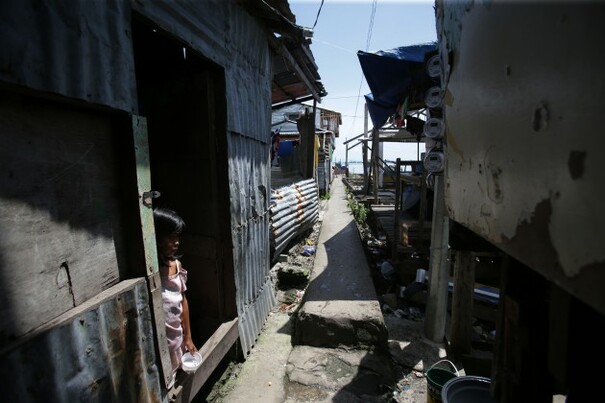
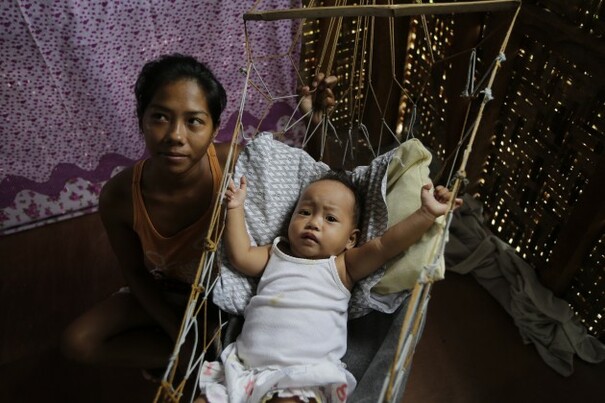
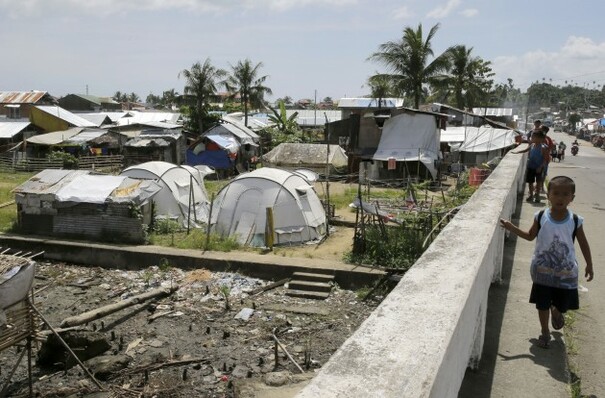
Tens of thousands of survivors are still dangerously exposed to future storms, living in tents, shanty huts or other flimsy shelters, as a prolonged rebuilding phase has only just begun.
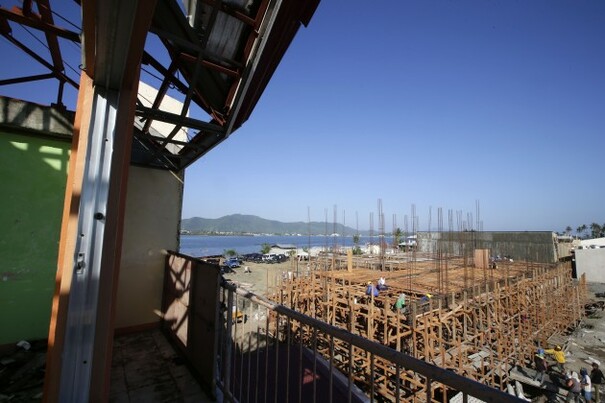
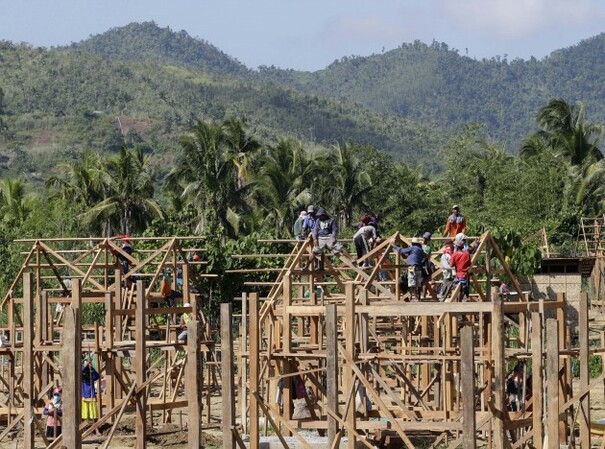
Plans have already fallen behind schedule, amid problems in finding new land that is safe and suitable for 205,000 new homes, and frustration is building at the speed of the reconstruction programme.
“The pace is not very fast. It’s snail paced unfortunately,” Vangie Esperas, a councillor with the Tacloban government, told AFP as she toured a fledgling new town with temporary shelters but no running water or power.
Many of our brothers and sisters are still living in tents and some of them are in temporary shelters.
Philippine President Benigno Aquino yesterday defended the pace of rebuilding, insisting that thorough reconstruction takes time.
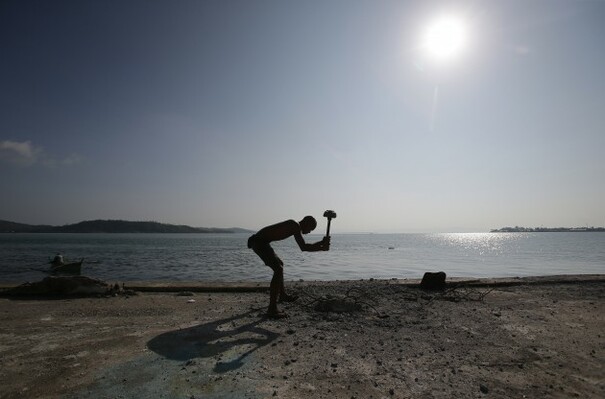
The story of a fisherman who lost his home and liveihood to Typhoon Haiyan.
A lot of uncertainly still remains.
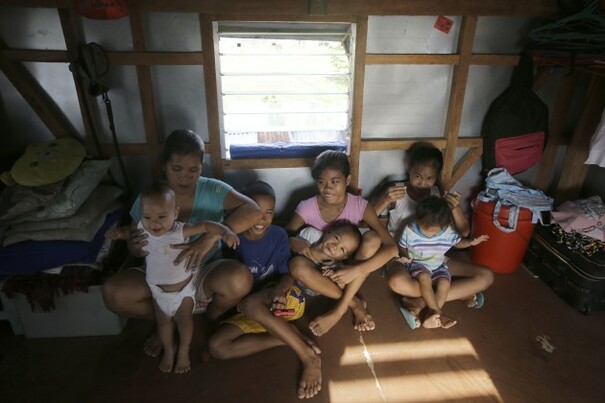
Mother-of-six Maria Marites Manilag is among thousands of people living in an officially declared “danger zone” along the coast near Tacloban, but has not heard from any government official whether she will be relocated.
“I get scared every time the winds blow strong and there is news of an approaching typhoon. We live in fear. We want to move to somewhere safe,” Manilag, 47, told AFP as she stood outside her shanty.
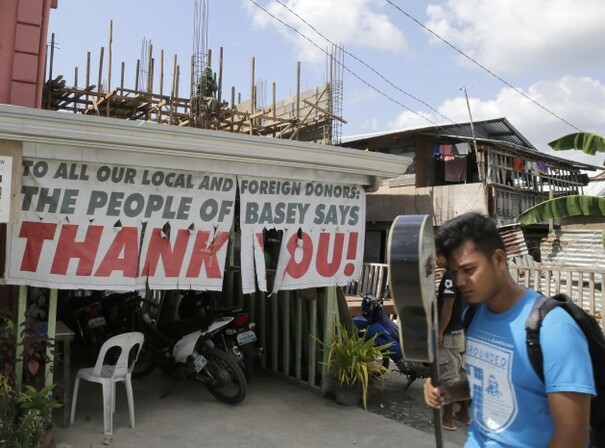
Billions of dollars from the government and aid groups are being poured into the typhoon-hit region in an effort to help people living there, who make up more than 10 percent of the Philippine population.
People were also quick to donate after the storm hit. So far, the American Red Cross has raised nearly $3.7 million for Ebola relief. In comparison, it received more than $88 million in the aftermath of Typhoon Haiyan.
Some of the big successes of the campaign have been the restoration of electricity within a few months, quick replanting of crops and sanitation programmes that prevented major outbreaks of killer diseases.
The determination of the survivors to quickly rebuild their lives, and not become reliant on aid, has astonished many foreign relief workers, even those with experience in many other disaster zones across the world.
“The resilience of the Filipino people is amazing, they are like phoenix birds,” Camelia Marinescu, International Federation of the Red Cross and Red Crescent Societies chief in Tacloban, told AFP.
One Irish aid worker from GOAL who worked in the region after the disaster said there was still chaos three months later.
“The full scale and impact of the destruction was shocking to see, even three months after the hurricane made land-fall,” Colin Price, from Westmeath, said.
“Everything had been turned upside-down within those four fateful hours.”
While aid agencies poured in the region, Price stressed that the situation created was one where locals were able to rebuild the area themselves.
“These people have also started to rebuild their lives and maintain their dignity despite having lost so much,” he said.
It left mass destruction in its wake unlike anything ever seen before.
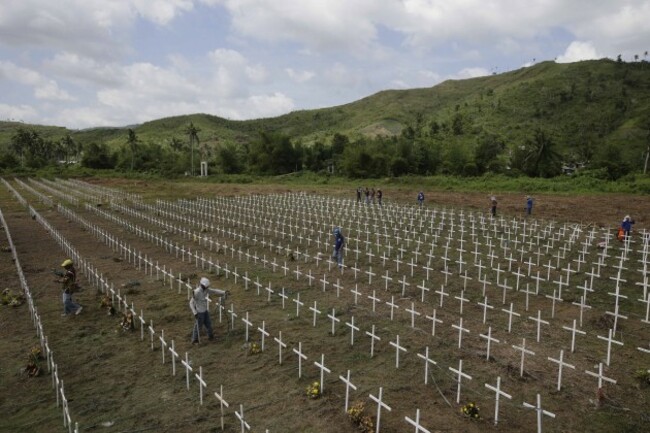
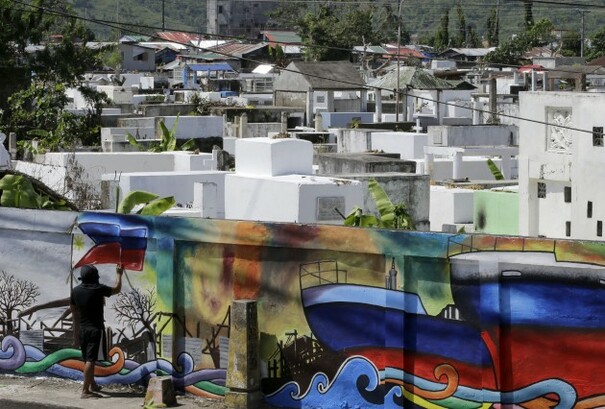
Tens of thousands of people are expected to descend on mass graves, where bodies were dumped chaotically in the weeks after the disaster to prevent disease, for highly emotional vigils on today’s one-year anniversary.
“I will just pray that they will always stay with me,” 77-year-old Lillia Olajay, who lives alone in a typhoon-damaged house after losing her adopted daughter and grandson, in the storm.
I am so lonely, I eat my dinner and sleep early because I can’t stand to be alone at night.
- © AFP, 2014, with additional reporting by Nicky Ryan and Associated Press

To embed this post, copy the code below on your site













have your say