Sign in. It’s quick, free and it’s up to you.
An account is an optional way to support the work we do. Find out more.
Sign in. It’s quick, free and it’s up to you.
An account is an optional way to support the work we do. Find out more.
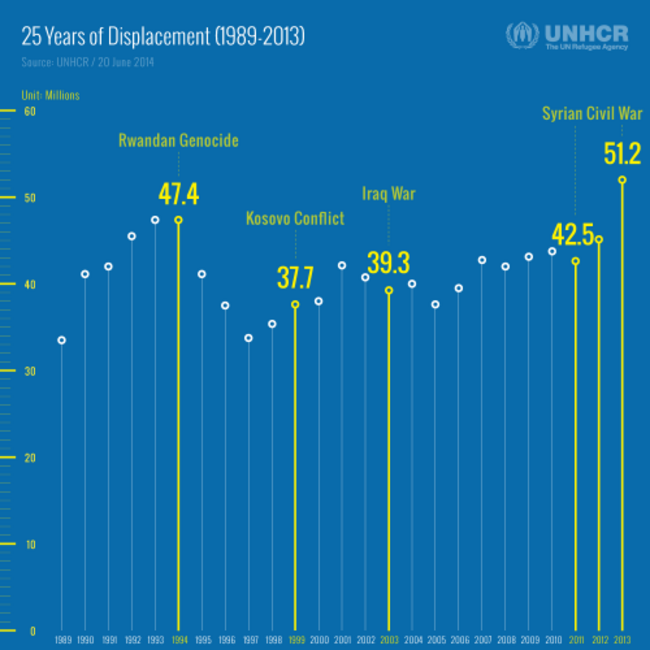
FOR THE FIRST time since World War II, there are more than 51.2 million people displaced from their homes across the world.
A report from the UN’s Refugee Agency (UNHCR) today shows that the number of refugees, asylum seekers and internally-displaced people has exceeded the 50 million mark for the first time since 1945.
The numbers show a remarkable jump from 2012 numbers, when there were six million fewer people registered through government, NGO and/or UNHCR data.
The jump was mainly driven by the conflict in Syria, as well as internal problems in Central African Republic and South Sudan.
Along with Syria, the biggest refugee populations come from Afghanistan and Somalia. On the other side, Pakistan, Iran and Lebanon host more refugees than any other countries.
“We are seeing here the immense costs of not ending wars, of failing to resolve or prevent conflict,” said UN High Commissioner for Refugees António Guterres.
“Peace is today dangerously in deficit. Humanitarians can help as a palliative, but political solutions are vitally needed. Without this, the alarming levels of conflict and the mass suffering that is reflected in these figures will continue.”
He urged “non-traditional donors”, as well as those who usually provide assistance, to “step up”.
“As many people are forcibly displaced today as the entire populations of medium-to-large countries such as Colombia or Spain, South Africa or South Korea,” he added.
Asylum
On top of refugees, last year saw 1.1 million people apply for asylum in developed countries.
Germany is the most popular State to seek asylum, while a huge number of the applicants came from Syria, the Democratic Republic of the Congo and Myanmar.
A record 25,300 asylum applications were from children who were separated from or unaccompanied by parents.
Commenting on the situation today, Amnesty International criticised the UN Security Council for failing to maintain international peace and security.
“Apathy, political alliances and point-scoring must cease trumping human rights concerns when it comes to decision-making at the Security Council,” said Sherif Elsayed-Ali, deputy director for global issues at the charity.
While diplomats debate points of order, houses are being burned to the ground and families forced on the run. Long delays and vetoed resolutions are plaguing the supposed ‘strong arm’ of the UN.
He also pointed to China and Russia for failing to help with the refugee crisis. Neither country resettled even one refugee last year and their donations to the UN appeal for Syria were described as “equally pitiful”. China gave nothing.
The US resettled only 36 Syrian refugees over the 12 months. In contrast, Germany has taken 25,500 people from Syria in.
However, many asylum seekers are refused entry to Europe with just 136,000 applicants out of 435,000 being granted access.
Amnesty also wanted to highlight the rights abuses that are often seen in countries taking asylum seekers.
“Greece frequently metes out violence and intimidation to the refugees and migrants arriving at its borders in search of protection, safety and better futures in Europe,” it claims.
Amnesty International has documented several cases where people have been “stripped naked, had their possessions stolen, and held at gunpoint before being pushed back across the border to Turkey”.
“Australia, which has one of the lowest population densities anywhere in the world, is another offender, hiding serious human rights violations of refugees and asylum seekers at its offshore processing centres on Nauru and Manus Island, Papua New Guinea,” continues the statement.
“Detainees are held in cramped compounds where they endure stifling heat without adequate shade or shelter and are denied sufficient water and medical help. Many have risked their lives in their efforts to reach Australia.”
A day in the life
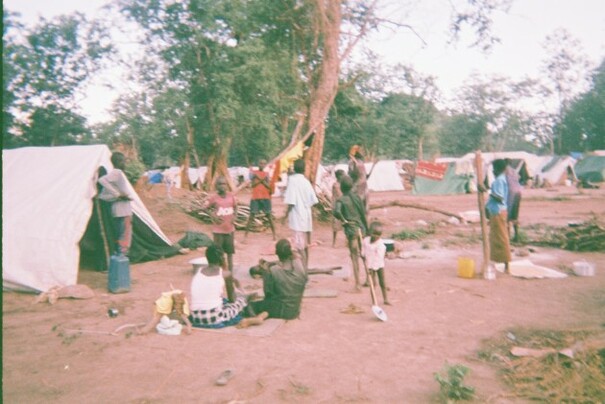
Irish charity, Goal, is currently working with people in South Sudan who have been displaced from their homes.
Since December last year, almost 370,000 residents have left their homes to seek refuge in neighbouring countries.
More than 131,000 of these people have made their way to Ethiopia. Of these, approximately 70,000 are based at refugee camps in Gambella, a region in western Ethiopia.
Almost all (95%) are women and children.
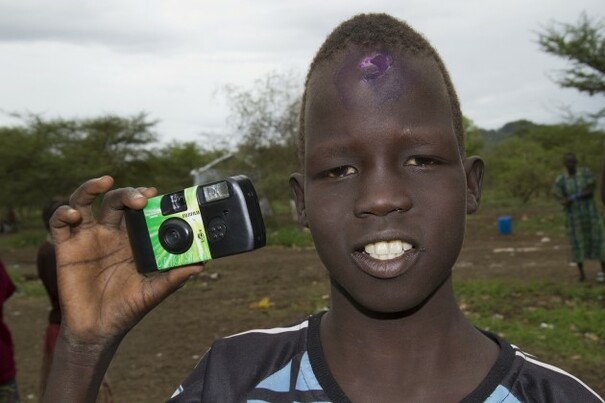
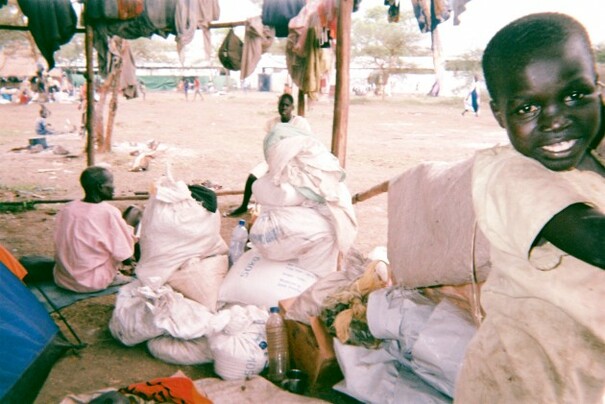
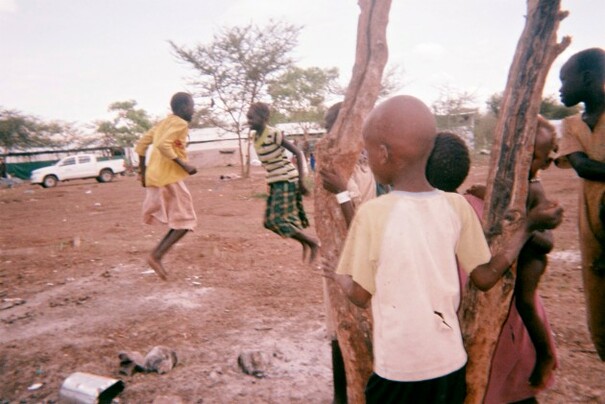
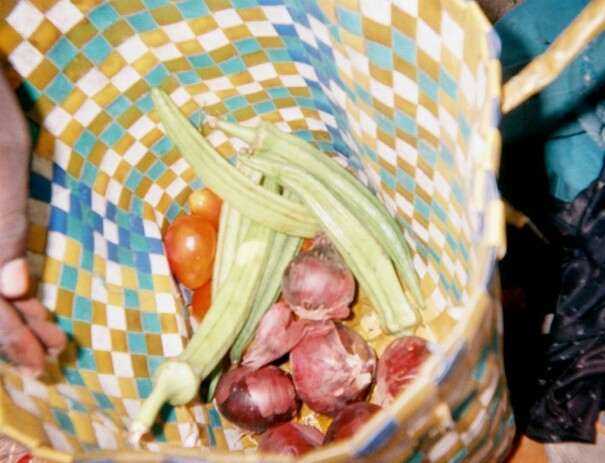
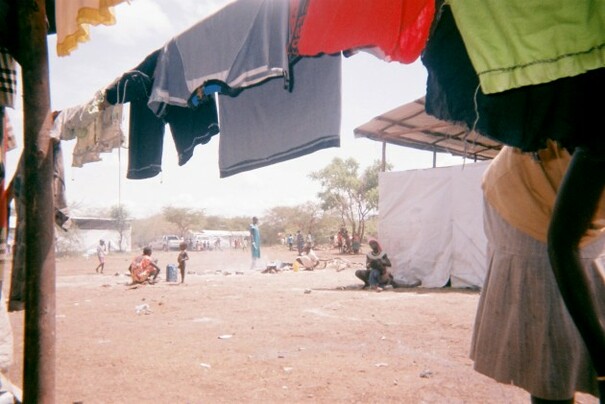
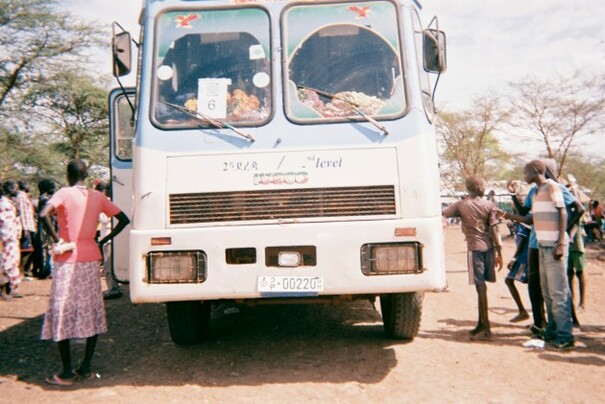
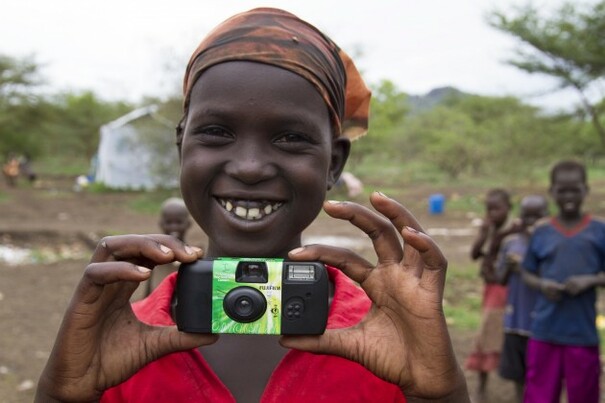
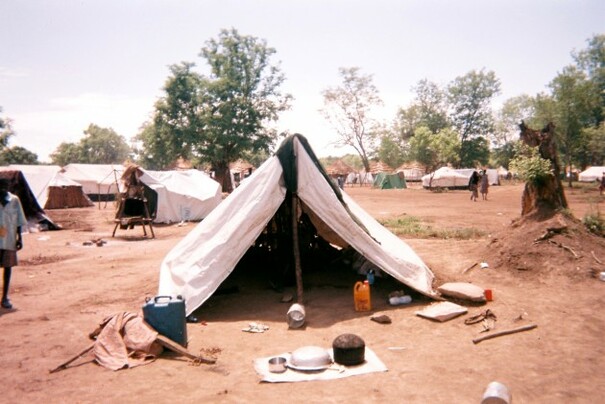
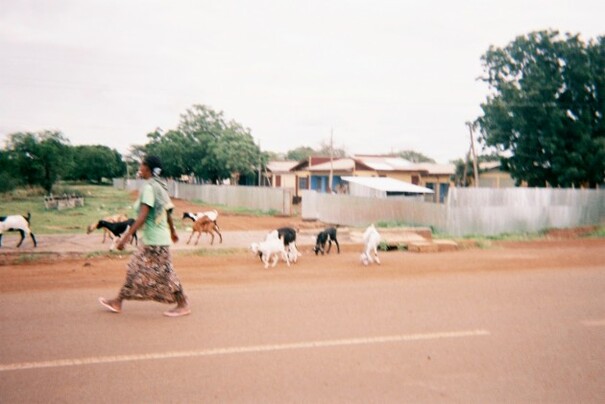
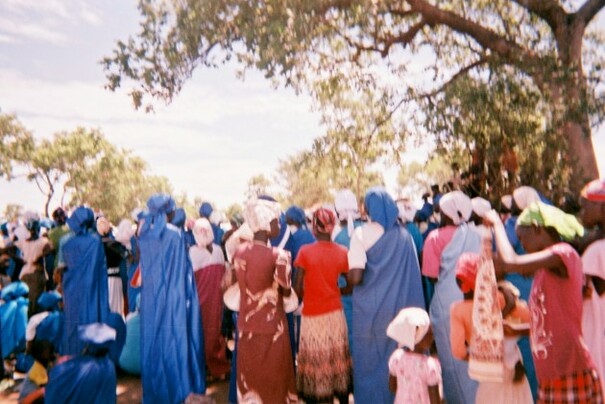
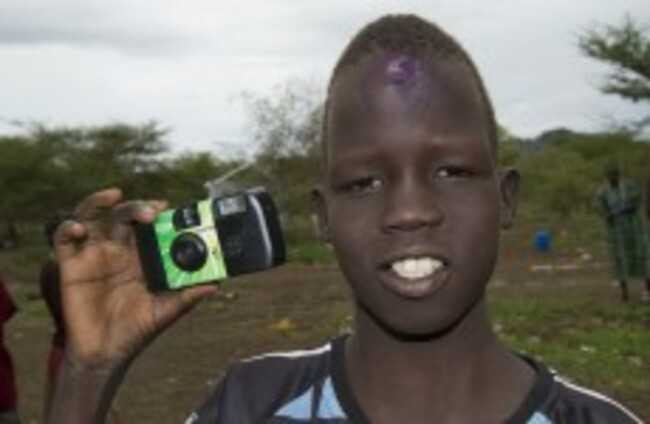
Recently, in an effort to mark World Refugee Day, two staff members gave disposable cameras to two 12-year-old refugees – a boy and a girl – and asked them to take pictures of people or things that meant something to them. These are the images they produced and, in their own words, both children explain why they took each picture.

To embed this post, copy the code below on your site













have your say