Sign in. It’s quick, free and it’s up to you.
An account is an optional way to support the work we do. Find out more.
Sign in. It’s quick, free and it’s up to you.
An account is an optional way to support the work we do. Find out more.
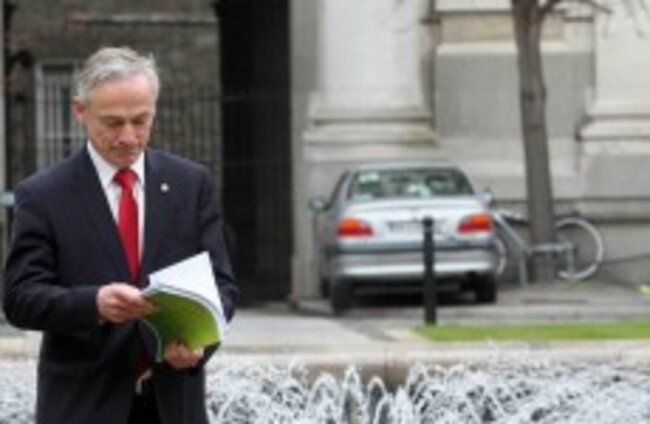
THE GOVERNMENT has said it will provide an extra 2,000 graduates in the technology sector next year, through the education and visa system.
Richard Bruton is to increase the number of employment permits issued to ICT firms by 50 per cent, allowing a further 700 people to work for Irish technology forms.
The changes come in addition to plans already unveiled by Ruairí Quinn, where Ireland hopes to create 1,300 new places in further education courses in ICT this year, including 600 places in Springboard courses.
The plans for permit reform were announced this morning during a visit to Version 1, an Irish technology company employing 350 people – including senior staff hired through employment permits.
Bruton said research had shown that every job created in the high-tech sector, whether through immigration or otherwise, created four to five roles elsewhere in the economy.
Other reforms being sought include a reduction in processing times for employment permits, and improvements in the appeals process.
“These changes are a win-win for Ireland, and help will ensure that we can create a truly world-class ICT sector in Ireland, which will provide enormous benefits for the economy and large numbers of badly-needed jobs for Irish workers, “Bruton said.
“I am determined that, through implementation of a range of ambitious reforms we will deliver on our aim of making Ireland the internet capital of Europe.”
The IBEC groups representing the technology sector gave the plans a broad welcome.
Paul Sweetman, the director of ICT Ireland, said reform of work permit was “vital for the growth of the technology sector”.
“The technology sector globally will continue to grow and create new jobs,” he said.
“The work permit reforms, coupled with the additional 1,300 tech graduates from current conversion programmes, will ensure that Ireland is well-placed to make the most of future growth in the sector.”

To embed this post, copy the code below on your site
















have your say