Sign in. It’s quick, free and it’s up to you.
An account is an optional way to support the work we do. Find out more.
Sign in. It’s quick, free and it’s up to you.
An account is an optional way to support the work we do. Find out more.
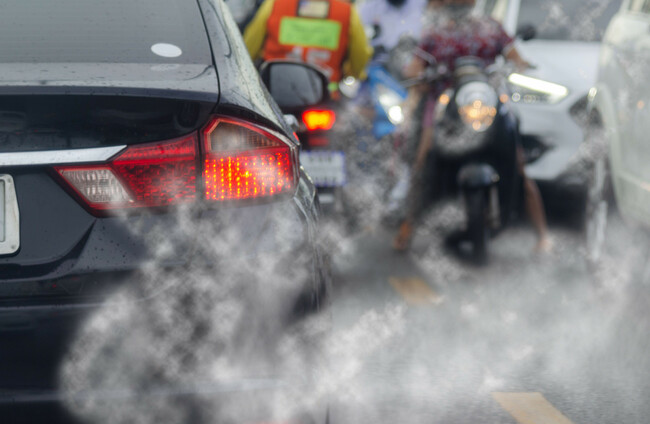
AIR QUALITY IN Ireland is below guidelines for health set by the World Health Organisation (WHO), a new study has confirmed.
The Environmental Protection Agency (EPA) has released its annual air quality report for 2022, identifying that Ireland’s air quality was within EU legal requirements but fell short of the WHO’s standards for human health.
Particulate matter, nitrogen dioxide, sulphur dioxide and ozone were all in the air last year at higher levels than the WHO recommends.
The EPA attributed the presence of the pollutants to traffic in cities and to the burning of solid fuel in towns and villages, advising that using less solid fuel, switching to cleaner fuels to heat homes, and reducing car use would all help to improve air quality.
The report calls for local authorities to allocate more resources to increasing air quality enforcement and implementing solid fuel regulations. In Dublin, in particular, local authorities must focus on cutting down nitrogen dioxide levels, it says.
It advises an increase in investment in clean public transport infrastructure and the creation of new, safe footpaths and cycle lanes to provide viable alternatives to reliance on private cars, which in turn would reduce nitrogen dioxide emissions.
Earlier this year, the government published a Clean Air Strategy setting out measures to try to improve air quality and cut down on pollution.
Director of the EPA’s Office of Environmental Monitoring Dr Micheál Lehane said that Ireland’s failure to meet the WHO guidelines “highlights the immediate challenge” to move towards those standards under the Clean Air Strategy.
“While undoubtedly challenging, the significantly positive impacts of clean air on health are clear and the report identifies some of the actions that are necessary to achieve the health-based air quality guidelines,” Dr Lehane said.
EPA Programme Manager Pat Byrne said that the “localised issues that we see in the 2022 monitoring results impact negatively on air quality and health”.
“Monitoring stations across Ireland recorded high levels of particulate matter associated with burning solid fuels in our towns and villages and high levels of nitrogen dioxide in our larger cities associated with road traffic,” he said.
“We can have immediate impacts on our local air quality by making changes in how we heat our homes and finding alternative ways to travel. These actions which also have positive climate impacts”.

To embed this post, copy the code below on your site














have your say