Sign in. It’s quick, free and it’s up to you.
An account is an optional way to support the work we do. Find out more.
Sign in. It’s quick, free and it’s up to you.
An account is an optional way to support the work we do. Find out more.
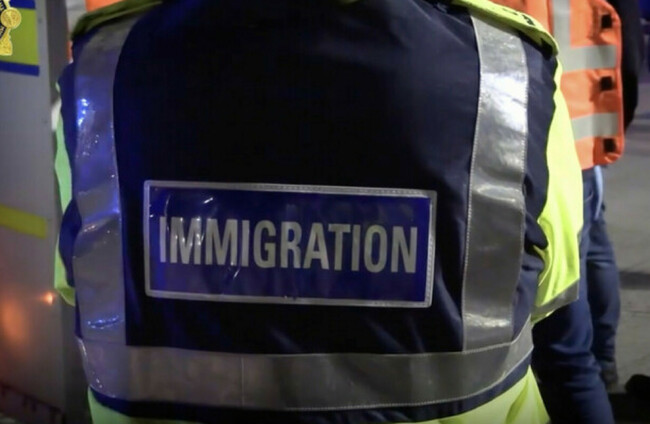
A TOTAL OF 988 garda escorts have accompanied 377 returnees on 10 deportation flights out of Ireland since February of last year.
New figures show that the cost of deporting the 377 returnees across 10 separate deportation operations to the likes of South Africa, Georgia, Nigeria, Pakistan, Romania, Poland and Lithuania totals €3.9 million.
The spend on the 10 separate deportations via chartered plane equates to an average spend of €10,344 per returnee.
The €3.9 million does not include the costs of the garda escorts on the flights.
In a letter to the Public Accounts Committee (PAC) in Leinster House, secretary general at the Department of Justice, Home Affairs and Migration, Doncha O’Sullivan outlines the reasons behind the high number of garda escorts.
He says: “The rationale for the number of Garda escorts on the flight is linked to the risk posed by the passengers.
“A deportation is a forced return and persons who are being returned will often not cooperate with the process – hence the need for a higher number of escorts.
He says: “For example, a higher number of returnees with criminal backgrounds will warrant a higher number of Garda escorts, as will a higher number of adult returnees.
O’Sullivan points out “The primary responsibility of the Garda escorts is to ensure that the return is conducted in a safe, calm, courteous and professional manner, especially when there are children and family group on flights.”
The highest number of garda escorts to date was on a return flight to South Africa where 133 accompanied 63 returnees in February, while 119 garda escorts accompanied 34 returnees to Poland and Lithuania.
The main component of the €3.9 million cost was the €3.55 million ‘plane cost’ and the highest spend of any flight was €904,050 spent on a return flight to South Africa on 19 June this year.
As part of the €3.9 million spend, the Department of Justice also incurred €162,916 in medical team costs, commercial return costs of €106,347 and flight manager costs of €60,165.
The department also incurred additional costs of €21,740 and that included costs of €8,653 from an emergency landing in Nigeria in April of last year and €13,087 from de-icing a Poland and Lithuania flight on 25 January 2026.
O’Sullivan said that in addition to the costs totalling €3.9 million, each group of returnees was accompanied by a Human Rights Observer (HRO) and the total cost for this service for nine of the operations was €36,307 as the figures for the HRO for the most recent flight are not yet available.
On the garda escort cost duties, O’Sullivan said that they are generally covered within the annual allocated garda spend.
He said: “However, the Department secured funding under the EU Asylum, Migration and Integration Fund (AMIF) and have allocated a grant to the Garda National Immigration Bureau (GNIB) to cover the costs of effecting deportations, including escort costs for non-EU Deportations.”
He said that this grant agreement runs from 1 January 2025 to 31 December 2027 and so far under the agreement, two payments have been paid to the GNIB, totalling €1.84 million.
He said: “GNIB costs in respect of additional pay costs, hotel, travel and subsistence are covered under this grant – as are interpreter costs. Under the terms of AMIF, 75pc of relevant costs can be reclaimed and it is anticipated that the return to the exchequer will be in the region of €3.45 million.”
O’Sullivan said that in respect of costs borne by the department for both Charter and Commercial deportation costs, up to 75% can also be reclaimed from the AMIF and the Department plans to seek reimbursement of 75% of charter plane costs for non-EU Deportations.
He said: “Work is already underway to seek a reimbursement of commercial flight costs under the fund.”
To embed this post, copy the code below on your site












have your say