Sign in. It’s quick, free and it’s up to you.
An account is an optional way to support the work we do. Find out more.
Sign in. It’s quick, free and it’s up to you.
An account is an optional way to support the work we do. Find out more.
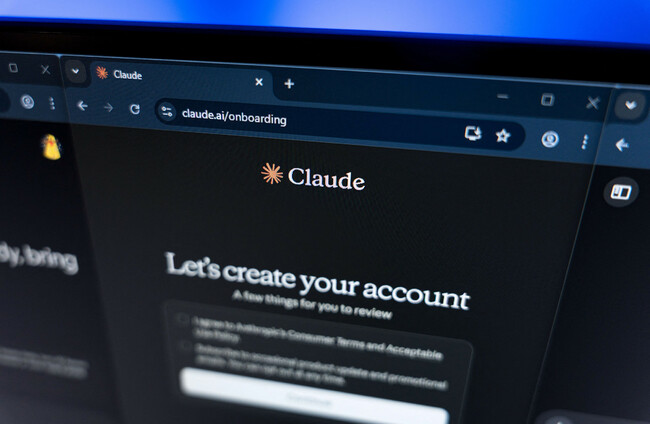
THE AMERICAN AI company Anthropic announced it will add an invisible watermark to text produced by its Claude chatbot so as to comply with European Union regulations.
But the company noted that this mark only means the text was processed by Claude, not that the chatbot actually generated it.
The new feature unveiled on Monday in San Francisco will not be visible to humans and will remain in place even after text is cut-and-pasted.
But the tool has limitations, Anthropic said.
Detecting a Claude watermark means the text may have been processed by Claude but does not confirm the source, the company said in a statement.
For example, it said, “Claude may not be the original author. People often use Claude to proofread, translate, summarise, or convert files. The output can carry a Claude mark even if the underlying ideas, text, or data originated from another source.”
Conversely, a text that is very short or has been heavily edited may not carry a watermark.
When Claude generates a supported file type like .jpg, it will attach signed provenance metadata in line with an open standard used to record information about content provenance, Anthropic said.
It said only Claude models launched on or after 2 August will feature the new watermarks. Earlier ones will be upgraded.
These changes are meant to comply with new EU regulations on artificial intelligence that say AI-generated content must feature machine-readable markings. Violations risk drawing stiff fines.
Anthropic said it will use these watermarks all around the world, not just in Europe.
Anthropic is among some 190 organisations that signed a voluntary EU code of good practice late last month, with others including Google, Meta, Microsoft, Mistral and OpenAI.
Google has come up with SynthID, a non-public advanced digital watermarking and detection technology. It is pushing for industry giants like Apple, Nvidia and OpenAI to adopt this standard.
Anthropic has not yet released a watermarking detection tool as called for in the EU code of good practices.

To embed this post, copy the code below on your site













have your say