Sign in. It’s quick, free and it’s up to you.
An account is an optional way to support the work we do. Find out more.
Sign in. It’s quick, free and it’s up to you.
An account is an optional way to support the work we do. Find out more.
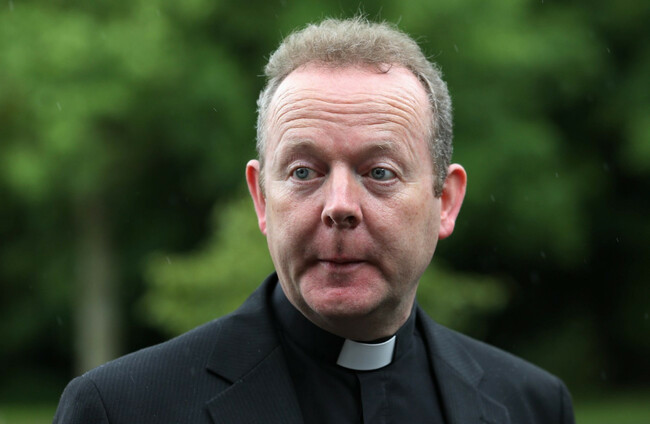
THE LEADER OF the Catholic Church in Ireland has described the introduction of laws to permit assisted dying as “an affront” to a safe and protective society.
Archbishop Eamon Martin today said such legislation should be “strongly opposed” and urged people to contact their TDs and senators about the matter ahead of the next General Election, which is to be held before March next year.
This week, the final report of the Joint Committee on Assisted Dying will be discussed in the Dáil.
The report, which was published in March, recommended that the Government introduce legislation allowing the practice, but not without a long list of conditions.
Most of the 38 recommendations made in the report focused on ensuring safeguards are in place to prevent people from being coerced into ending their lives, or from making a decision to end their life without being fully capable of doing so.
The Committee recommended that such coercion be treated as a criminal offence.
In a statement today, the Archbishop of Armagh also referenced a bill which will be introduced in the Westminster Parliament to propose a change in the UK’s law to permit assisted dying.
Martin said society is defined “by the extent to which we care for our most vulnerable persons including those suffering from disabilities, terminal illness or otherwise nearing the end of life”.
“While this is a Gospel imperative, it is noteworthy that medical and healthcare professionals are also gravely concerned at an evolving political ideology which would interfere with their calling to ‘do no harm’ and which would legally erode the right to life at all stages”.
He urged “all people of goodwill to contact their MPs as soon as possible to ask them to reject this law”.
“In addition, as we expect that a general election will be held in Ireland shortly, I ask voters to contact their TDs and senators to ascertain their commitment to protecting end of life care, and to seek inclusion in election manifestos for investment to enhance palliative care and hospice provision.”
Earlier this summer, the Irish Catholic Bishops’ Conference published a pastoral letter reflecting the Church’s teaching on care at the end of life.
The letter said that by legislating for “assisted suicide or euthanasia”, the State “would contribute to undermining the confidence of people who are terminally ill, who want to be cared for and want to live life as fully as possible until death naturally comes”.
It said that people who are dying are entitled to be accompanied “in a holistic way”.
“We believe that palliative care services need to be more widely available, in hospitals and hospices and in the community.”
As part of its final report, the Committee recommended that the Department of Health introduce an updated palliative care strategy. It said that palliative care and assisted dying should operate “completely separately and independently of each other”.
The Committee also advised that funding for public awareness about palliative care be increased.
People inquiring about assisted dying after a terminal diagnosis should be presented with the alternative of end-of-life care, the report said.
The Committee recommended that assisted dying be available only to a person diagnosed with a disease, illness or medical condition that is both incurable and irreversible; advanced, progressive and will cause death; expected to cause death within six months; and causing suffering to the person that cannot be relieved in a manner that the person finds tolerable.
A person should have to make two formal requests for assisted dying, according to the report, that must be separated by a specified interval. At least one request should be written and witnessed by two people, it added.

To embed this post, copy the code below on your site
















have your say