Sign in. It’s quick, free and it’s up to you.
An account is an optional way to support the work we do. Find out more.
Sign in. It’s quick, free and it’s up to you.
An account is an optional way to support the work we do. Find out more.
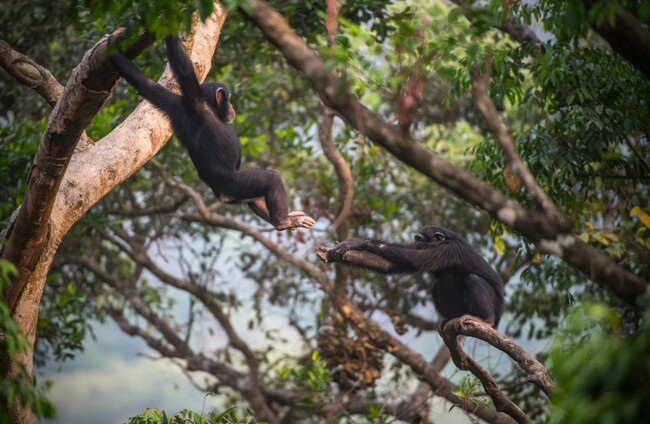
WHEN BALA AND his wife Sharmila were travelling in West Africa they happened across a baby chimpanzee tied to a tree in a small village.
Nearly 30 years later, the story of how Bruno the chimp inspired a couple to set up a sanctuary for chimps is being told is being told by the Documentary On One on RTÉ Radio 1.
Bala recalls the moment when he first met Bruno:
I can still remember his eyes, like he has lost all hope and it hadn’t been that long since they killed his mother and brought him to that village.
Chimpanzees were regularly killed for their meat and their babies sold on as pets. Sadly the practice has continued to this day.
Bala and his wife decided to pay $30 for the chimp and bring him back to their house in Freetown, the capital of Sierra Leone.
Living with a chimp
Living with Bruno wasn’t easy. Bala and his wife were living in the middle of town. Bruno would scream when he was put in a cage so he was allowed into the house. He was happy sleeping in a little basket next to their bed. But not for long…
He quickly realised that the bed was more comfortable. Then he will slowly creep in when we are gone to bed, when we are fast asleep.
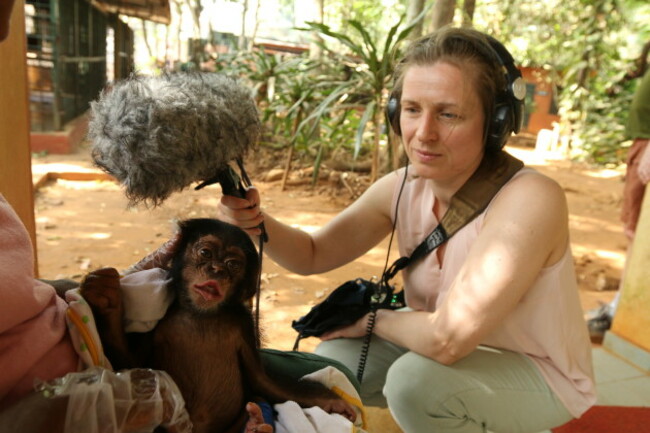
People began dropping their chimps to Bala’s house when they left Sierra Leone. Eventually, there was seven chimps living in an impromptu sanctuary in the garden.
Bala said that he can laugh about it now, but wasn’t funny at the time. Bruno would flush things down the toilet, put the television on and make beds out of curtains.
Julie, Bruno’s oldest friend, would take jewellery if it wasn’t locked away.
By then I think Bruno and Julie were telling us we cannot be tamed and kept in the house. You need to do something more.
Time for a new home
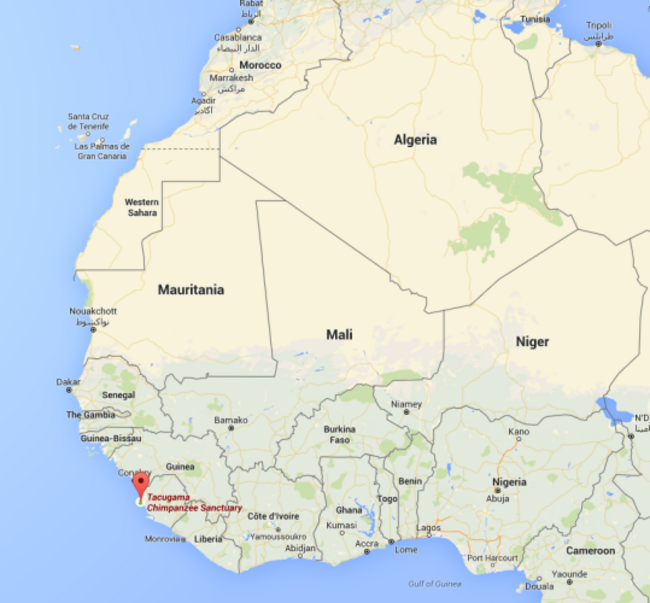
In 1995, Bala set up the Tacugama Chimpanzee Sanctuary on 100 acres of forest in the national park outside Freetown, with the help of the Sierra Leone government and international donors.
Today, the sanctuary consists of a series of enclosures fenced off from the forest park but there’s enough of it to help the chimps experience their natural environment.
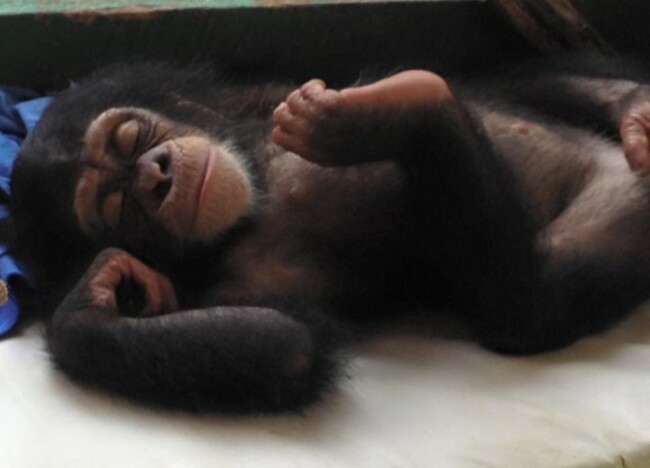
The sanctuary rescues abandoned chimps of all ages, but most of them come in as babies.
Chimps are kept in a quarantined area to be nursed back to health and given vaccinations for 90 days when they arrive.
Part of the job of the sanctuary is also to look out for hunters, who are targeting the wild chimps living outside the sanctuary for meat.
“A very, very difficult time for us”
No one could have predicted that the chimps would escape, or the horror that would ensue afterwards. In April 2006, the chimps broke out of their enclosures, and the staff in Tacugama believed the chimps had been studying how to open the locks.
When the chimps got free, the staff feared for their own safety and hid from the animals.
A taxi met a chimp, believed to be Bruno, in the middle of the road. Bruno started beating the bonnet of the car when the men in the taxi began to take pictures of him, a sign that they weren’t standing down.
The driver went to hit Bruno off the car but Bruno reacted by biting three of his fingers off.
When the taxi driver went up to the sanctuary to get help, the mob of 30 chimps running wild, attacked him. The staff, who were still hiding, heard someone screaming for help but the screams stopped within a minute. When the police arrived they discovered the body of the taxi-driver, who’d clearly been killed by the chimps.
When the police arrived the staff were able to round up as many of the chimps as possible. Bruno and three other chimps vanished completely.
Bala explained how he felt:
So that was a very, very difficult time for all of us, because it’s the last thing you want to see…but this is wild life, working with wildlife there is always some danger
The sanctuary worked hard after the accident to rebuild as a safe place for chimps and staff.
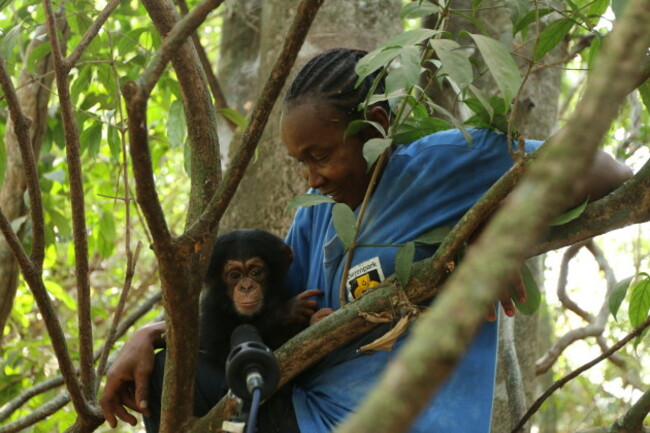
Tacugama sanctuary hope that Bruno is living in the wild with other chimps. They haven’t seen Bruno since 2006 but he hasn’t been forgotten. Dubliner Paul Glynn wrote a book called King Bruno after meeting Bala and becoming fascinated with tales of Bruno.
Bruno’s image even appears on the new passports of the people of Sierra Leone.
Bruno the Chimpanzee is available online at www.rte.ie/doconone now and will be broadcast on RTÉ Radio 1 later today at 2pm.
To embed this post, copy the code below on your site









have your say