Sign in. It’s quick, free and it’s up to you.
An account is an optional way to support the work we do. Find out more.
Sign in. It’s quick, free and it’s up to you.
An account is an optional way to support the work we do. Find out more.
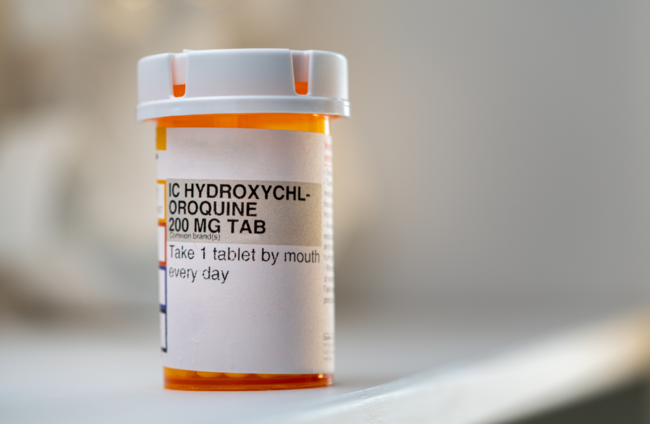
THE WORLD HEALTH Organisation (WHO) has strongly advised against the use of an anti-Malaria drug to prevent Covid-19 infection.
Hydroxychloroquine, a drug that was previously praised by former US President Donald Trump for preventing Covid-19, has been shown to have no meaningful effect on either death or admission to hospital from the virus.
The recommendation comes from a WHO Guideline Development Group, which are a panel of international experts, writing in the British medical journal The BMJ.
Six randomized controlled trials involving over 6,000 participants with and without known exposure to Covid-19, showed high certainty evidence that the drug had no meaningful effect on death rates or hospital admissions on the group.
Moderate certainty evidence also showed that the drug had no meaningful impact on confirmed Covid-19 cases and that it may have increased the risk of adverse effects of the virus.
Due to this, the WHO is now advising that hydroxychloroquine is no longer a research priority.
“The panel considers that this drug is no longer a research priority and that resources should be used to evaluate other more promising drugs to prevent Covid-19,” said the WHO in a statement.
The WHO has also said that the recommendation was unlikely to change and that it starts the first version of a living guideline for drugs that help prevent Covid-19.
“Its aim is to provide trustworthy guidance on the management of Covid-19 and help doctors make better decisions with their patients,” said the WHO.
According to the WHO, more recommendations for other preventative drugs would be added to the guidelines as they become available.

To embed this post, copy the code below on your site













have your say