Sign in. It’s quick, free and it’s up to you.
An account is an optional way to support the work we do. Find out more.
Sign in. It’s quick, free and it’s up to you.
An account is an optional way to support the work we do. Find out more.
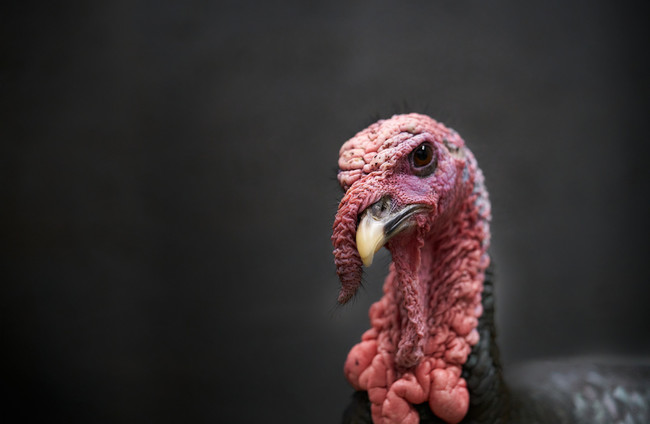
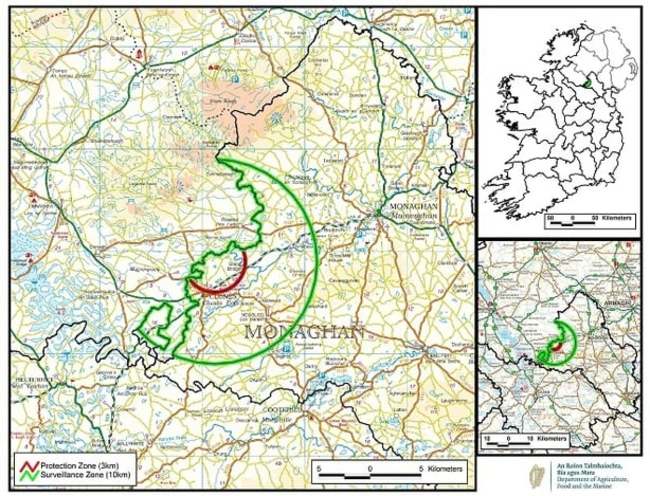
A RESTRICTION ZONE has been put in place by the Department of Agriculture around a turkey farm in Co Monaghan after test results identified evidence of Avian Influenza H5N1 in samples from the turkey flock.
A protection zone of 3km and a surveillance zone of 10km will be enforced by Department officials in an effort to prevent any further spread of the bird flu.
Further testing to determine the pathogenicity is being carried out and the Department “expect to have results over the coming days,” a statement read.
Poultry keepers with flocks located within the restriction zones are legally obliged to comply with zone requirements to control movements of live poultry, other captive birds, hatching and table eggs, used litter, manure and slurry from poultry holdings.
The Department continues to advise strict adherence to the precautionary measures against Avian Influenza (bird flu).
The Health Protection Surveillance Centre has confirmed that although the H5N1 subtype can cause serious disease in poultry and other birds, the risk to humans is considered to be very low.
However, members of the public are advised not to handle sick or dead wild birds and to keep their dog on a leash in areas with sick or dead wild birds.
It is important to note that there is no evidence of a human health risk associated with consumption of poultry meat, poultry meat products or eggs.
Recently the Minister for Agriculture Charlie McConalogue and the Department introduced enhanced biosecurity and confinement regulations under the Animal Health and Welfare Act 2013.
These regulations require all flock keepers to implement enhanced biosecurity measures and confine all poultry and captive birds in their possession or under their control in a secure building to which wild birds, or other animals do not have access.
Stringent biosecurity remains key to protecting poultry and captive bird flocks from disease.
The Department has urged poultry flock owners to remain vigilant for any signs of disease in their flocks and report any disease suspicion to their nearest Department Regional Veterinary Office.
Clinical signs that poultry keepers should look for in their birds include sudden death, swollen head, discolouration of neck and throat, loss of appetite, respiratory distress, diarrhoea and fewer eggs laid – although these vary between species of bird.

To embed this post, copy the code below on your site













have your say