We need your help now

Support from readers like you keeps The Journal open.

You are visiting us because we have something you value. Independent, unbiased news that tells the truth. Advertising revenue goes some way to support our mission, but this year it has not been enough.

If you've seen value in our reporting, please contribute what you can, so we can continue to produce accurate and meaningful journalism. For everyone who needs it.


Dr Suzanne Crowe Let's be clear, teen drinking is a form of self-harm, and it's on the rise

As exam season starts, the reality is that soon, hospitals will start to see the devastating consequences of teenage binge-drinking.

THE FIRST CHILD I cared for with alcohol poisoning was 14. I remember the shock of it. The second was 15. He had just finished his mock Junior Certificate exams and went out drinking on St Patrick’s Day with friends.

He drank so much, so quickly, that he was unconscious and on a breathing machine in the ICU before midnight. No fall. No fight. Just a dangerously large amount of alcohol.

Over the past decade, I have lost count of these children. The cases are no longer remarkable. But they remain deeply troubling.

While young adults today show greater awareness of physical and mental health, often chasing the ideal gym physique, research published this year by Alcohol Action Ireland suggests a more worrying trend beneath the surface. Children are starting to drink younger and in larger quantities. Among teenage drinkers, 64% report regular binge-drinking.

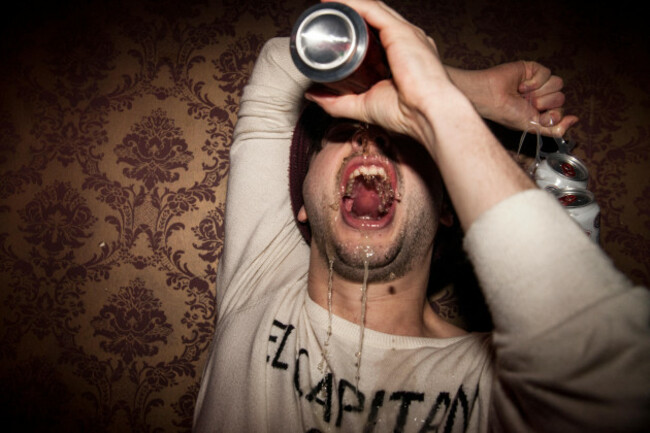
young-man-enjoying-a-night-out Alamy Stock Photo Alamy Stock Photo

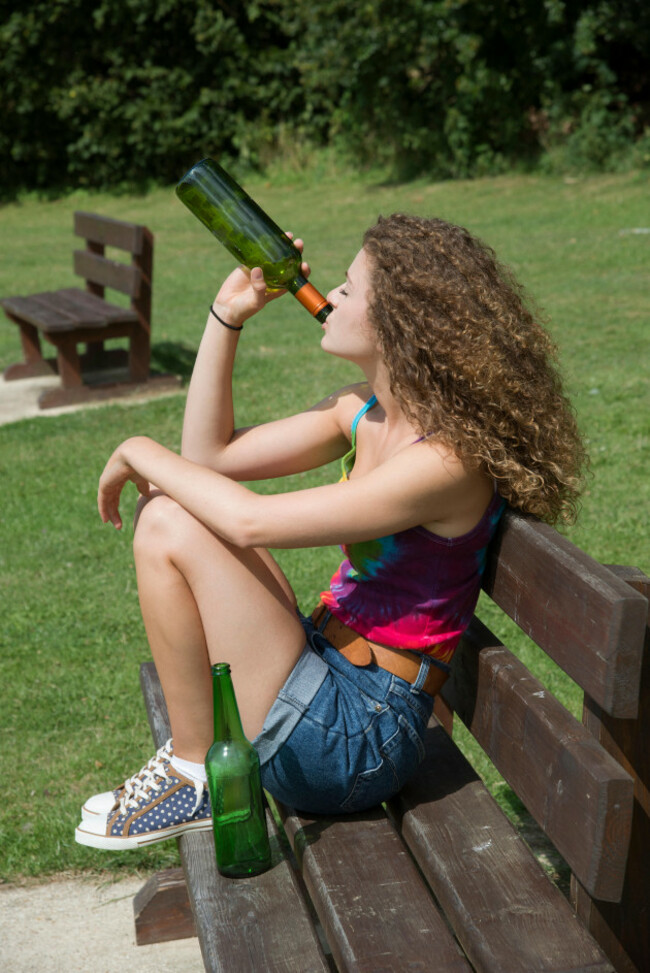
The teenager experimenting with a lager has been replaced by something far more concerning: regular binge-drinking on vodka and cheap white wine.

Let’s be clear. Early binge-drinking is a form of self-harm. Our failure to recognise it as such has clouded Ireland’s approach to alcohol control, contributing to weak enforcement of existing laws and a reluctance to implement measures that would steer children towards healthier activities.

What is the current picture?

Ireland ranks second only to Greece in the OECD for binge-drinking, or “heavy episodic drinking”, as the health literature terms it.

The same Irish research found that one in three young drinkers meets the criteria for alcohol use disorder. It also demonstrated a stark association between alcohol use and anxiety, depression, self-harm and suicide.

It is unlikely to be a coincidence that different researchers at the University of Medicine and Health Sciences (RCSI) have recently highlighted rising levels of mental distress and self-harm among young people.

The developing brain is particularly vulnerable to alcohol’s psychological effects. The frontal lobe, which is responsible for judgment and risk assessment, does not fully mature until our 20s. This means a young teenager does not have the neurological capacity to weigh the risks of consuming an addictive substance like alcohol in the way adults assume they can.

Equally concerning is the weight of international longitudinal research linking early alcohol use with later substance misuse, poorer mental health and death in tragic circumstances.

Our suicide prevention strategies, mental health services and public education campaigns must speak with one voice: early alcohol use is not harmless experimentation. It is high-risk behaviour with potentially lifelong consequences.

We are not short of data. What we lack is decisive action.

teenage-girl-drinking-alcohol-on-a-park-bench Alamy Stock Photo Alamy Stock Photo

The Public Health (Alcohol) Act 2018 commenced in 2022, aiming to delay the age at which young people begin drinking through measures such as minimum unit pricing and restrictions on advertising near schools. As yet, the benefits for children are difficult to see.

See it, be it, develop the habit

Teenagers continue to access alcohol with ease. Much of it still comes from parents’ drinks cabinets and wine fridges. Some parents, perhaps underestimating the risks, turn a blind eye or even host underage “prinks”. They may not realise just how strongly early alcohol use predicts serious health problems later in life.

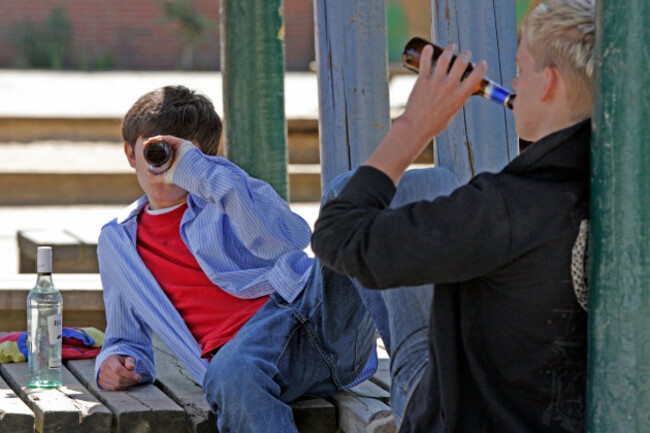
Outside my local supermarket, easy access is even more visible. Several people regularly beg nearby. Teenagers approach them with cash, asking them to purchase alcohol on their behalf. Minutes later, the adults emerge with bags of cans and bottles, keeping a few drinks as payment before handing the rest over.

young-boys-drinking-alcohol-the-scene-is-being-acted-image-shot-2009-exact-date-unknown Alamy Stock Photo Alamy Stock Photo

Other countries have shown that change is possible. Australia and Iceland have taken sustained, community-based approaches to youth alcohol use. Iceland recognised two decades ago that it had a serious teenage binge-drinking problem. It responded by investing heavily in sports facilities, youth clubs and family supports, while actively reshaping the narrative around what constitutes fun for young people.

The results were striking. The proportion of Icelandic teenagers reporting alcohol use fell from 42% to just 5%.

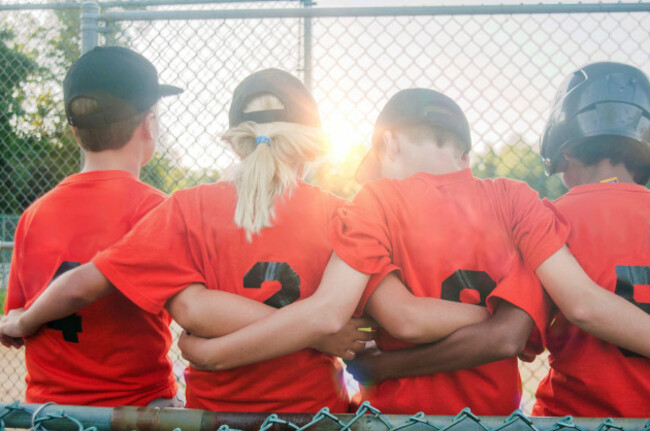
Ireland, by contrast, has long underinvested in public sports infrastructure and youth spaces. We have too few safe, appealing “third spaces” where teenagers can spend time away from both home and adult drinking environments. Give young people more places to go and more activities to do, and many will choose something other than drinking in the park.

a-10-year-old-girl-with-her-teammates-in-the-dugout Alamy Stock Photo Alamy Stock Photo

The good news is that overall adult alcohol consumption in Ireland is falling. But that encouraging trend does not appear to extend to children.

The Junior Cert is approaching – a traditional flashpoint for teenage drinking. Some young people will end up in emergency departments. Others will roam city streets, their behaviour affecting families and summer tourists. Many will simply drink at home, out of sight but not out of harm’s way.

Either way, the message is the same. Teenage binge-drinking is self-harm, and with rates this high, Ireland has a serious problem — and it is one we can no longer afford to normalise.

Dr Suzanne Crowe is President of the Medical Council and a consultant in paediatric intensive care in Children’s Health Ireland Crumlin. 

Readers like you are keeping these stories free for everyone...
A mix of advertising and supporting contributions helps keep paywalls away from valuable information like this article. Over 5,000 readers like you have already stepped up and support us with a monthly payment or a once-off donation.

Close
6 Comments
This is YOUR comments community. Stay civil, stay constructive, stay on topic. Please familiarise yourself with our comments policy here before taking part.
Leave a Comment
    Submit a report
    Please help us understand how this comment violates our community guidelines.
    Thank you for the feedback
    Your feedback has been sent to our team for review.

    Leave a commentcancel

     
    JournalTv
    News in 60 seconds