Sign in. It’s quick, free and it’s up to you.
An account is an optional way to support the work we do. Find out more.

Sign in. It’s quick, free and it’s up to you.
An account is an optional way to support the work we do. Find out more.
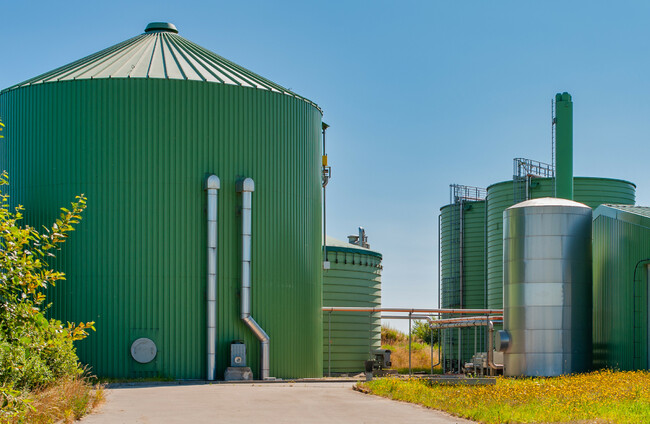

WHEN IT COMES to developments in renewable energy, biomethane is one of the most important building blocks of Ireland’s sustainable energy future.
Biomethane is a renewable resource and is produced by taking organic waste — such as farm waste, food waste, anything that belongs in the brown bin — and turning it into invaluable energy.
Gas Networks Ireland is leading the transformation of Ireland’s energy system by enabling the integration of biomethane into the national gas network. This approach is designed to reduce carbon emissions, enhance energy security, and build a cleaner, more resilient energy future through strategic infrastructure, innovation, and collaboration.
So how will biomethane help us achieve those aims? Check out the video below to get an idea of how biomethane is produced and what makes it such a sustainable energy solution.
In simple terms, biomethane is a renewable gas made by upgrading biogas, which is produced through a process called anaerobic digestion, where organic materials like food and animal waste are broken down. Carbon dioxide is then extracted from biogas to produce biomethane.
Biomethane can reduce emissions across key sectors of the economy, including those that are traditionally difficult to decarbonise like transport, manufacturing and power generation, while also supporting the decarbonisation of the agri-food sector.
This green gas can be injected into the existing gas network helping reduce emissions and support Ireland’s transition to a low-carbon energy system.
All of this is good news for Irish farmers, who are perfectly positioned to boost their income and become suppliers for this kind of energy, by providing organic materials such as slurry, grass silage, and food processing waste.
Gas Networks Ireland is at the forefront of decarbonising Ireland’s energy system, and biomethane is an essential component of these plans. It is this infrastructure that will facilitate Ireland’s ambition of serving 25% of all total gas demand with biomethane.
In order to inject this green gas into Ireland’s overall supply, Gas Networks Ireland are constructing central grid injection (CGI) facility in Mitchelstown, Co Cork. This facility provides a point at which biomethane can be introduced into the national energy supply. The CGI facility will provide an injection point for biomethane producers that may be located too far away from the existing gas network. In this case they can compress that biomethane to a higher pressure and transport it by trailer to Mitchelstown where it can be injected into the gas network. The CGI will be a key piece of renewable infrastructure as it will facilitate biomethane production regardless of a producer’s geographical location.
22 biomethane producers have expressed interest in supplying the plant with biomethane, and the estimated combined production capacity of all these plants would be enough energy to power 217,000 homes.
Once completed, the Mitchelstown CGI will have the capacity to inject up to 700 GWh of renewable biomethane gas annually, enough to meet the 12% of the Government’s 2030 biomethane target. This would help reduce carbon emissions by up to almost 130,000 tonnes per year.
Gas Networks Ireland is also extending its existing network to create Dublin’s first direct renewable gas entry point at at Bia Energy’s €63 million anaerobic digestion facility in Huntstown, with other such expansions also in the pipeline — no pun intended.
To learn more about how Gas Networks Ireland is helping move Ireland towards a green energy future, visit https://www.gasnetworks.ie/pathway-net-zero/.
To embed this post, copy the code below on your site













have your say