Sign in. It’s quick, free and it’s up to you.
An account is an optional way to support the work we do. Find out more.
Sign in. It’s quick, free and it’s up to you.
An account is an optional way to support the work we do. Find out more.
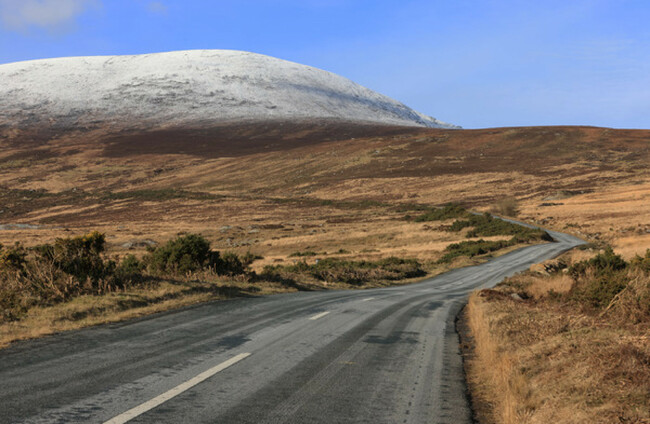
THE NATIONAL PARKS and Wildlife Service (NPWS) are planning to restore bogs in the Wicklow Mountains to increase the water supply to the Greater Dublin Area (GDA).
A total of 60 hectares of blanket bogs are expected to be re-wetted by the NPWS, which is expected to increase water storage levels in parts of the River Liffey headwaters by between 50 to 90 million litres.
This is enough water to supply Limerick city for a day.
These headwaters supply the Poulaphouca (Blessington) reservoir, which is a massive source of drinking water in the GDA.
Alongside increased water levels, the NPWS say that the rewetting will help “protect biodiversity, improve carbon storage, and is likely to improve water quality.”
There are a total of 4,000 hectares of degraded bog in the Wicklow Mountains. These bogs are more susceptible to damage from extreme weather events, like intense levels of rainfall or extended drought.
Minister for Heritage and Electoral Reform, Malcolm Noonan said that the project was central to “revitalising nature and improving resilience to climate change.”
The biodiversity emergency demands an emergency response. We need all sectors of society to take science-led action for biodiversity, and this includes the private sector.
The project is being launched alongside Intel, and will be the first public-private venture in water restoration and biodiversity protection.
General Manager of Intel Ireland, Eamonn Sinnott said that it was not just an opportunity to increase water storage levels, but that it would make an impact on restoring ecosystems “that are an integral part of our biodiverse landscapes.”
“Water is essential to our manufacturing process. Over the last decades, our sustainable water management efforts here in Ireland have enabled us to conserve over 9 billion litres of water and return approximately 87% of our water back to our communities,” said Sinnott.
The project will take place in multiple phases, the first of which will begin this summer. Results of the project and data should become available later next year.
While the effort is only being made on 60 hectares of bog, the NWPS says that part of the project is to gather recordings and information on water, carbon and vegetation – before and after the rewetting process.

To embed this post, copy the code below on your site













have your say