Sign in. It’s quick, free and it’s up to you.
An account is an optional way to support the work we do. Find out more.
Sign in. It’s quick, free and it’s up to you.
An account is an optional way to support the work we do. Find out more.
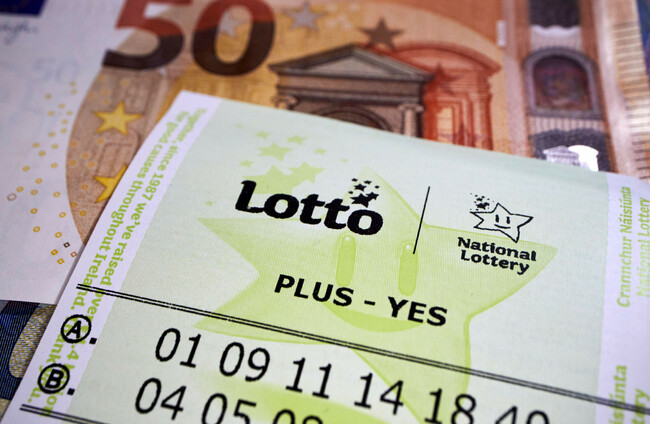
THE NATIONAL LOTTERY has warned that betting on its draws through bookmakers is diverting an estimated €289 million a year from official ticket sales, according to a new economic report.
The analysis, carried out by Indecon International Economic and Strategic Consultants, argues that the growth of so-called “lottery betting” is having a measurable impact on sales, retail activity and the overall value of the State licence.
Lottery betting involves customers wagering on the outcome of National Lottery draws via betting companies and bookmakers rather than purchasing official tickets.
The National Lottery says this creates a parallel market that operates outside the same regulatory and oversight framework.
The report estimates that in 2024 alone, the practice reduced potential National Lottery sales by €289 million. According to the report, the knock-on effects of this included an estimated €81 million reduction in funding for Good Causes, a €125.7 million hit to economic output, and a loss of almost 2,000 retail and sector-linked jobs.
It also claims the practice has reduced Exchequer revenues by about €12.7 million and diminished the long-term value of the National Lottery licence by between €118 million and €250 million.
The National Lottery is now calling for government intervention, saying the practice is already banned in 25 of 27 EU member states.
Chief executive Cian Murphy said the findings highlight a structural risk to the lottery’s model.
“This research demonstrates the unique role of the National Lottery,” Murphy said.
“Lottery betting in bookmakers is a very real risk to this ecosystem, reducing the funds available for local sports clubs, youth centres, arts programmes, and community services.”
Murphy added that as licence holder, the organisation had a responsibility to protect the long-term sustainability of the system.
“Given the scale of these impacts, we have no option but to request relevant action by the Government on the issue in the interests of preserving the current levels of funding for Good Causes, safeguarding players and ensuring that the National Lottery, as a State asset, will continue to be an attractive investment and provide real returns for the State when the licence is up for renewal in eight years’ time.”
Retail groups have also backed the call for action.
A spokesperson for the Retail Grocery Dairy and Allied Trades Association (RGDATA) said lottery sales are a key driver of footfall in local shops, while arguing that Ireland should align with most EU countries in banning the practice.
“Ireland should stop being an outlier in Europe and move now to ban lottery betting,” Tara Buckley, Director General of RGDATA, said.

To embed this post, copy the code below on your site












have your say