Sign in. It’s quick, free and it’s up to you.
An account is an optional way to support the work we do. Find out more.
Sign in. It’s quick, free and it’s up to you.
An account is an optional way to support the work we do. Find out more.
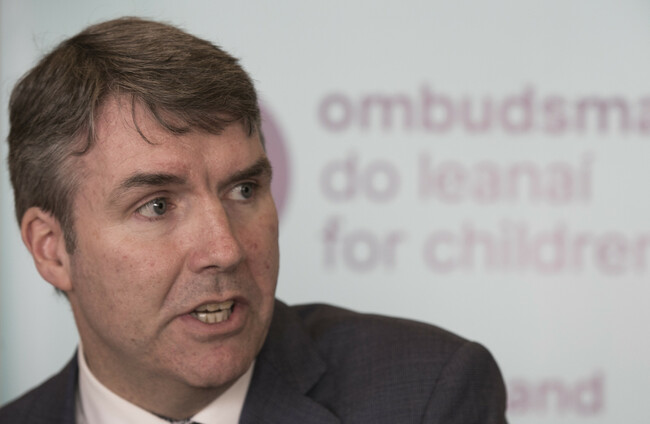
THE CHILDREN’S OMBUDSMAN has said children in the care system are suffering as a result of the State’s “really poor forward planning”.
Niall Muldoon was speaking on RTÉ’s Prime Time, which reported that children had been exposed to drugs and sexual violence because they were living in unsuitable emergency accommodation.
The Journal Investigates previously revealed some children have spent years in these unregulated settings, despite the fact that such placements are supposed to be temporary.
Special Emergency Arrangements (SEAs) are sometimes in private rented accommodation, hotels and B&Bs due to the lack of regular placements.
The Children’s Ombudsman is seeking a ban on SEAs and increased government funding for more appropriate care, such as fostering and interventions to help families stay together.
Muldoon told Prime Time that hearing of some of the children’s experiences is “stomach churning”, but said it’s not the first time such cases have been brought to light.
“We as a State are their parents,” he said.
“If we were living in a neighborhood where we saw a parent that allowed the child to have drug taking, allow the child to be exposed to sexual assault … we would report them.
“But that’s our state that’s doing that, and that’s really heartbreaking to see.”
Muldoon said there is no legal status for SEAs, making them “dangerous”. He added that they come at a significant cost to the State.
“We’re paying millions of euros to profit makers. They’re providing us with poorly qualified staff who don’t know how to deal with it, and who don’t show any sort of compassion or kindness,” he said.
In a statement read out on Prime Time, Tusla’s CEO Kate Duggan said: “Unfortunately, there are times where we’re challenged to provide the level of support or intervention that we would want for some young people, and this is a great cause of concern for me and for the dedicated and hard working colleagues working with these young people every day.”
The child population is increasing, Muldoon said, while Tusla’s funding continues to reduce in real terms.
“What we’re seeing here is really poor forward planning and a lack of willingness to commit to multi-annual budgets that would really make a difference,” said Muldoon.
He added that the children affected may seek compensation from the state in the future for the quality of care they received.
Increasing the capacity of NGOs and voluntary organisations now would help prepare the system for an absence of SEAs, Muldoon said.

To embed this post, copy the code below on your site















have your say