Sign in. It’s quick, free and it’s up to you.
An account is an optional way to support the work we do. Find out more.
Sign in. It’s quick, free and it’s up to you.
An account is an optional way to support the work we do. Find out more.
Orla Dwyer reports from Tana River County, Kenya
THE EXECUTIVE VICE-president of the EU Commission has often warned that “our children will be waging wars over water and food if we do not act now” on climate change.
But conflict over diminishing water supplies is not just a future risk. It is already happening during times of drought.
There are fears that more frequent droughts brought on by global warming will lead to more disruption between people with limited access to water.
Concern Worldwide brought The Journal and other media to Kenya last week to report on the impacts of drought.
Beldine Atieno, senior manager in governance and advocacy at Concern Kenya, said the chance of conflict in times of drought is “very, very high”.
In Tana River County, a coastal region in south-east Kenya, tensions arise between farmers from different areas.
“The conflict takes two forms – it’s conflict between pastoralists themselves and also conflict with farmers,” Atieno told The Journal.
“You’ll find there are populations that are engaged in [crop] farming and then the livestock keepers will want to access the farming areas, so we also have those kind of conflicts.”
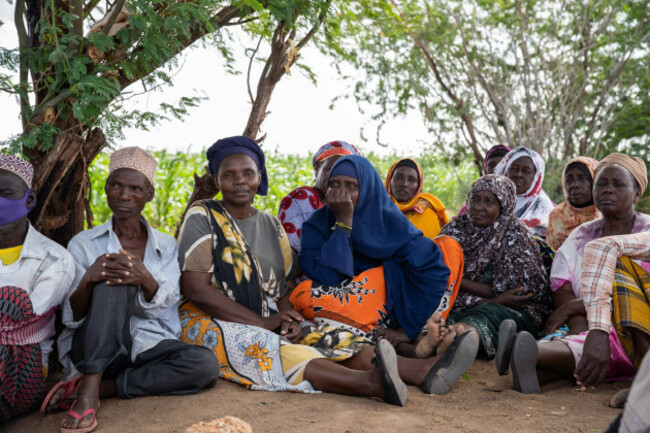
Like the rest of Kenya, rain levels over the past couple of years have been low but the Tana River County has received some recent showers.
More than 65% of open water sources in the county have dried and the average distance people must travel to access water is now between 7km and 9km.
During times of drought, water resources are diminished and there is less pasture for animals to graze.
So herders leave their community with their animals in search of water and land which leads to conflict when they arrive at another farmer’s land.
This risk of conflict is “likely to go higher” with the effects of climate change, Atieno added.
Abdi Musa, Tana River coordinator for the National Drought Management Agency (NDMA), said many people in the county were killed in a “serious conflict” in 2011 and 2012 over water supply.
An increase in farmers moving towards certain grazing fields in Tana River over the next couple of months “might lead to increased cases of resource based conflicts”, the NDMA assessed.
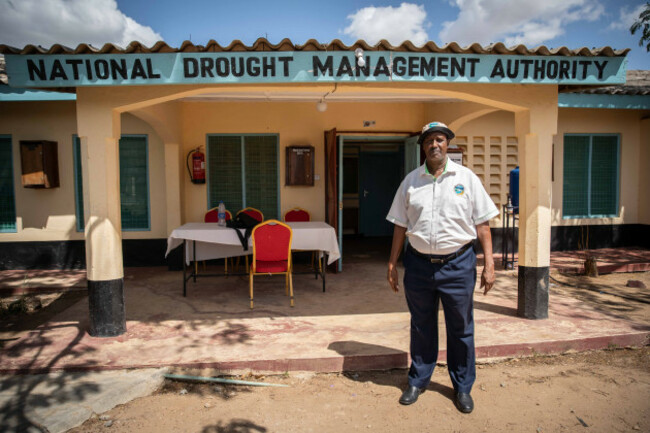
“The worst time is when we have stress,” Musa said. “When there’s drought stress… When there is no water, the animals try to get to the Tana River. And along the Tana River are the farms.”
He said crop farmers will often “cut the legs” on animals who stray onto their farms.
“Then the pastoralist will come and see his animal lying there and then conflict erupts,” he said.
Musa said structures are in place in the community where local chiefs can engage with the farmers.
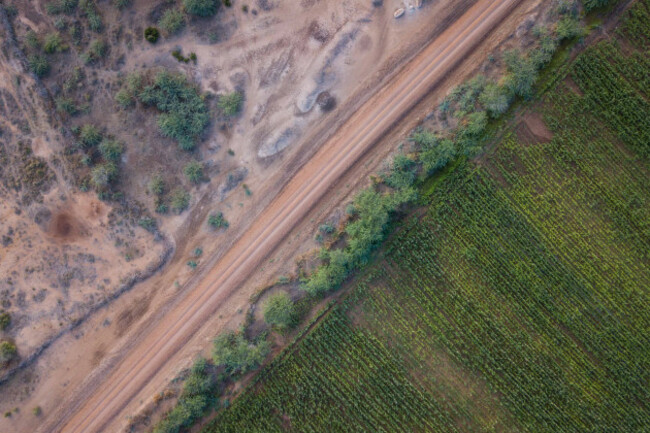
To avoid this conflict and to grow crops more reliably, farmers have been encouraged to stop growing by the river and focus on moving crops to higher land.
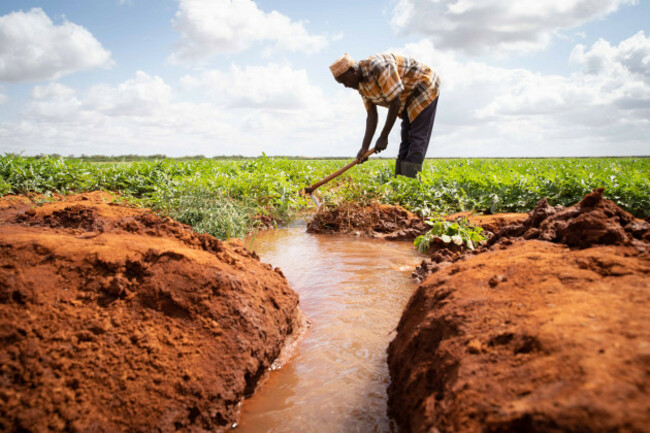
The conflict risks are lessened when there’s a steady water supply in areas through pumps and irrigation schemes for crops.
Ways to avoid the conflict growing

In Subo village, Tana River County people traditionally farmed along the river. But with seasons now less predictable and livestock disrupting their farms, some have been changing their ways.
A Concern project set up in 2020 helped people move away from growing crops like maize near the river. They now have an irrigation scheme in place to grow mung beans, tomatoes and maize more reliably.
One former livestock owner Hassan Abdullahi said conflict has occurred in the area when people from other communities arrived in search of pasture or sent animals towards their crops.
There are almost 240 households in the village and 120 are using this scheme to grow crops. The entire community shares the harvest.
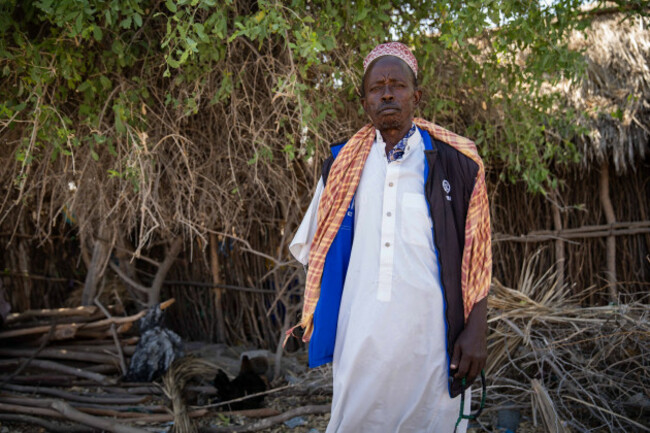
The river is the county’s main source of water but it can be dangerous to take it directly from the source.
In Ruko village, Mohamed Dame Thuluke described how he lost his right arm after being dragged into the river by a crocodile when he was younger.
He said he kneeled down to fetch water when the crocodile clamped around his hand, pulling him into the river.
Impacts on livestock
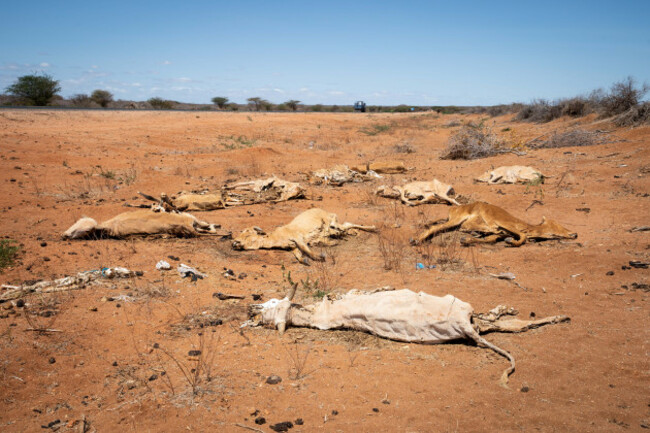
There was little rain in Tana River County last year and the drought is still causing increased malnutrition, lack of water and death of livestock.
The Journal witnessed this on the journey to Ruko village last Friday. Around 45 cow carcasses littered the side of the sandy road in different stages of decay.
Animals have been dying across the country due to the drought.
These cattle were found near an empty ‘water pan’ – a huge hole in the ground that fills with water in times of heavy rainfall. People from nearby communities get their water from there, but this water pan has been dry since last year.
This left no water for the cattle to drink from and the next water source was up to 20km away.
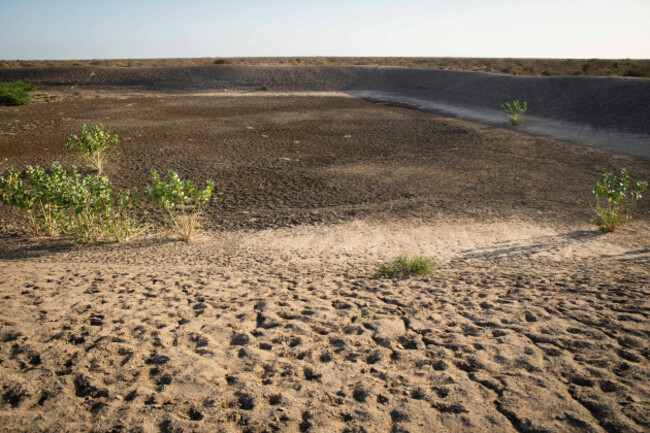
Livestock farmers who are losing their animals due to the drought are in a “desperate situation”, Beldine Atieno said.
“The way you and I will have a bank account to keep some money for a future, for them this livestock is the only bank account that they have,” she said.
So it means that their savings have been wiped away, their assets have been wiped away. They’re really in a difficult situation.

To embed this post, copy the code below on your site
















have your say