Sign in. It’s quick, free and it’s up to you.
An account is an optional way to support the work we do. Find out more.
Sign in. It’s quick, free and it’s up to you.
An account is an optional way to support the work we do. Find out more.
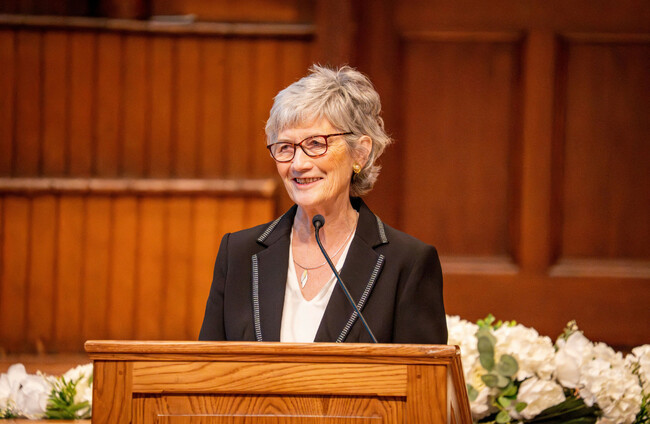
PRESIDENT CATHERINE CONNOLLY has revealed her appointments to serve as members of the Council of State.
They include former Special Rapporteur on Child Protection Conor O’Mahony and Belfast cross-community activist Linda Ervine, who will serve alongside five others.
Most of the four men and three women have expert backgrounds in law and human rights work and are drawn from institutions in the likes of Dublin, Galway and Belfast.
In a statement, Connolly said each of the seven bring a unique expertise and a range of experiences which will be of “immense value in considering the matters which may arise” over the course of her term of office.
The appointees are as follows:
Fionnuala Ní Aoláin was born in Dublin and grew up in the Connemara Gaeltacht, with Gaeilge her mother tongue.
Ní Aoláin is described by Áras an Uachtaráin as a globally recognised international law and human rights expert who is currently Professor of Law at the Queens University in Belfast, and the Regents Professor and Robina Professor of Law, Public Policy and Society at the University of Minnesota Law School.
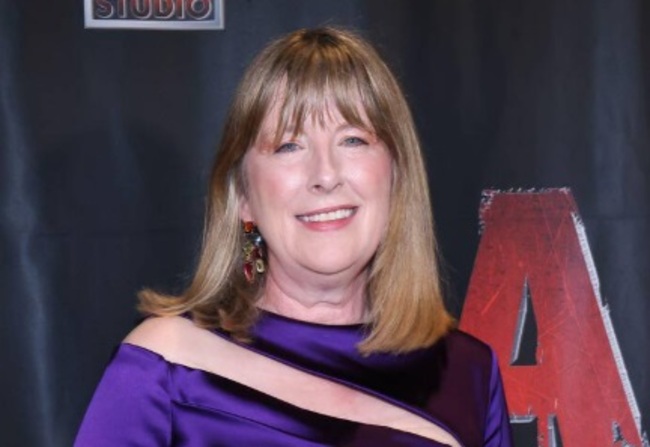
The professor was appointed last year to work with a United Nations inquiry into human rights violations committed in Syria since March 2011, during its civil war, and more broadly her academic work has been in the fields of emergency powers, counter-terrorism and human rights.
Ní Aoláin has served on the Board of the Committee on the Administration of Justice, a Belfast-based human rights organisation since 1989, and was UN Special Rapporteur on the Protection and Promotion of Human Rights while Countering Terrorism from 2017 to 2023.
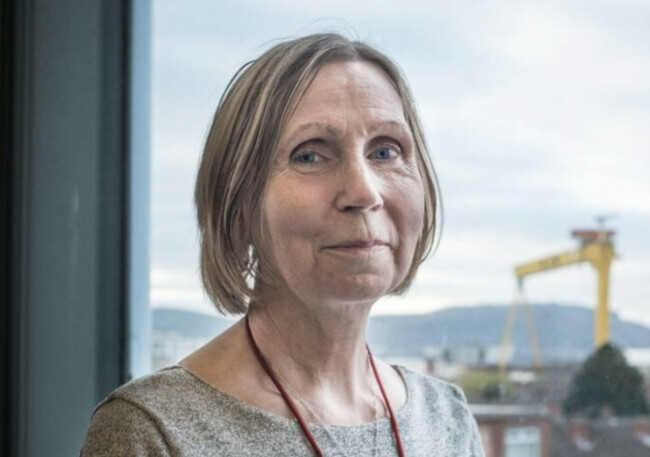
Linda Ervine was born into a working-class Protestant family in east Belfast who has come to the fore in recent years for her work on the Irish language.
She is the manager of the first Irish language centre to be based in a loyalist area and is the founder of Scoil na Seolta, the first integrated school to teach through the medium of Irish.
“When she began learning Irish in 2011, no one would have conceived of the idea of an Irish language centre in the heart of east Belfast but despite the many difficulties, Turas is now one of the largest providers of Irish language classes in Belfast,” an Áras statement on Ervine’s appointment outlined.
In 2021, she received an MBE, Most Excellent Order of the British Empire, for her work promoting the Irish language.
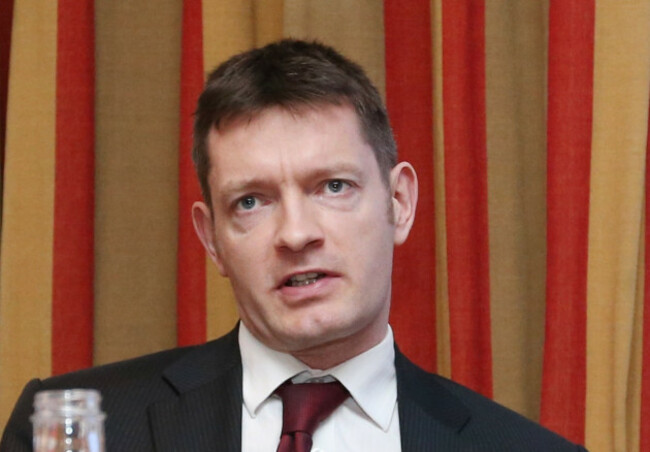
Conor O’Mahony is Professor of Law and Dean of the School of Law at University College Cork. His teaching and research focuses on constitutional law and children’s rights.
From 2019-2022 he served as Special Rapporteur on Child Protection to the Government of Ireland. It was in that role that he regularly featured in media for his strong criticisms over how the State handled various issues, issues including illegal adoptions.
O’Mahony is director of the Child Law Clinic, which has supported successful litigation in the Irish Supreme Court and the European Court of Human Rights.
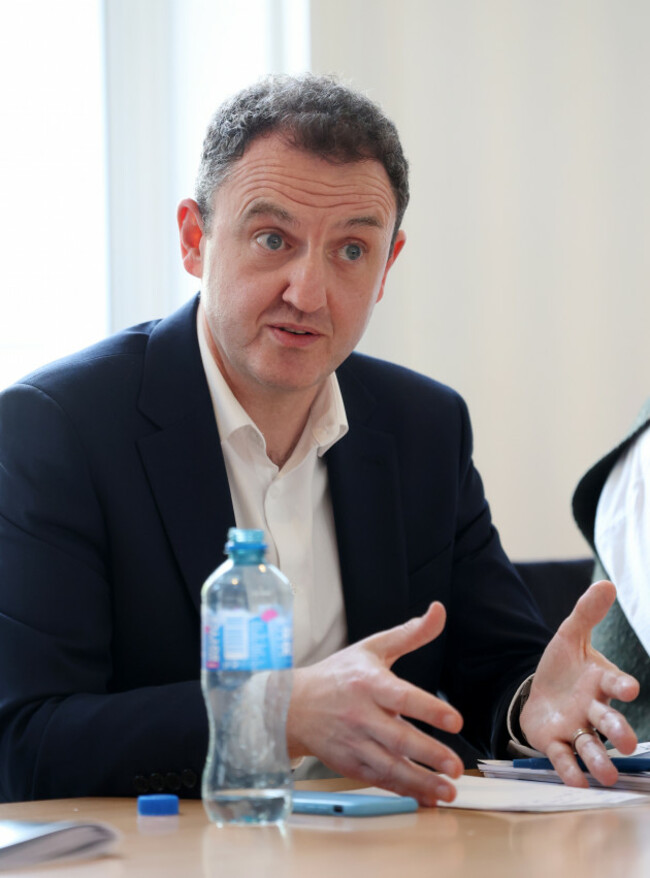
Colin Harvey is currently a commissioner on the Irish Human Rights and Equality Commission who previously served two terms as commissioner on its Northern Ireland counterpart.
He has had a 30-year career in the fields of constitutional and human rights law. He is also currently professor of Human Rights Law in the School of Law in Queen’s and a member of the Scientific Committee of the EU Fundamental Rights Agency.
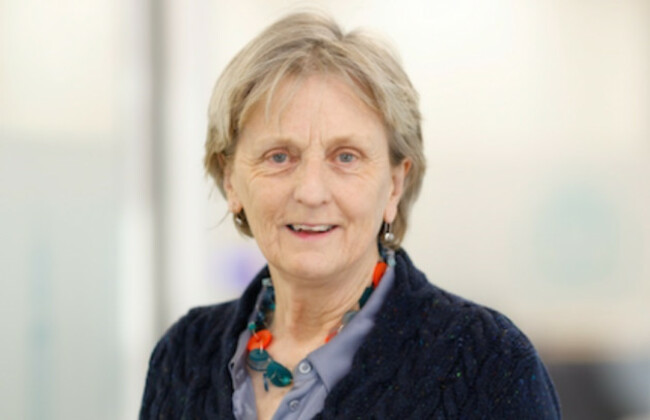
Sociologist Kathleen Lynch is described by the Áras as someone who has “devoted her life to advancing equality and social justice” through research, education and activism.
She helped to establish the UCD Equality Studies Centre in 1990 and the UCD School of Social Justice in 2004, and currently holds the position of Professor of Equality Studies (Emerita) at UCD.
Previously, she served for five years as a member of the Irish Human Rights and Equality Commission (IHREC) from 2020-2025.
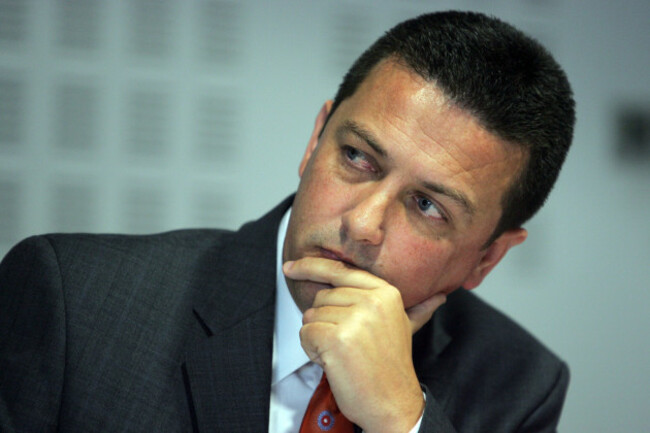
Donncha O’Connell has lengthy experience serving with human rights bodies, including Amnesty International – Ireland, Legal Aid Board and the Irish Council for Civil Liberties.
He previously served two terms as a Commissioner of the Law Reform Commission and was also a member of the Commission on the Future of Policing in Ireland.
He is currently Established Professor of Law at University of Galway.
According to his Áras biography, O’Connell spent almost a decade on the board of the Galway-based Druid Theatre Company.
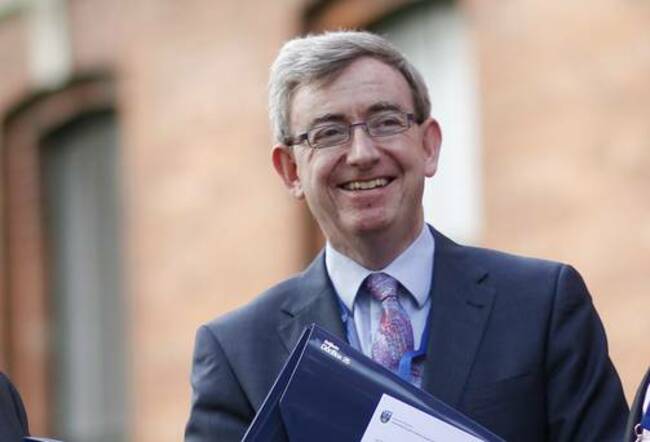
Ciarán Ó hÓgartaigh is former President of University of Galway.
He also chaired Universities Ireland, encouraging co-operation between the universities on the island of Ireland. Prior to that, he was professor of accounting and dean of the business schools at UCD.
He is on the board of the National Library of Ireland, on the Council of the Economic and Social Research Institute (ESRI) and on the editorial board of Studies.
The constitution provides for a Council of State to advise the president on various matters. Before exercising any of the office’s powers, the president must convene a meeting of the body.
Although the role of President is a largely ceremonial one, there are some powers available. These powers allow for the President to communicate with elected officials on matters, address the nation, or refer a bill to the Supreme Court if it could be considered to be repugnant to the Constitution.
But these powers cannot be used without consultation with the Council of State, and in some cases, with the government as well (although there are some government members on the council, such as the Taoiseach).
On referring a bill to the Supreme Court, it is at the President’s own discretion to do so, although the council must also be consulted first. This is one of the President’s powers that has been used on multiple occasions, most recently in 2023.
The three branches of members are supposed to represent a measured balance of the Irish public and the appointed members are also symbolic of areas that the president wishes to prioritise and represent throughout their mandate.
There are three categories of members: Ex Officio, former office holders, and appointed members.
Ex Officio includes the Taoiseach, Tánaiste, Chief Justice, President of the Court of Appeal, President of the High Court, the Ceann Comhairle, Cathaoirleach of the Seanad, and the Attorney General. Essentially, if you hold one of those roles you’re on the council.
Former officer holders on the Council of State are defined as every person “able and willing to act” who has previously held office as President, Taoiseach, or Chief Justice.
Bertie Ahern, Enda Kenny, Brian Cowan, Leo Varadkar, and Simon Harris are the former Taoisigh who sat on President Micheal D Higgins’s council.

To embed this post, copy the code below on your site











have your say