Sign in. It’s quick, free and it’s up to you.
An account is an optional way to support the work we do. Find out more.
Sign in. It’s quick, free and it’s up to you.
An account is an optional way to support the work we do. Find out more.

IN THE BIG Reno Clinic series, Houses to Restore QS Shay Lally provides answers and solutions to the big (and little, but important) questions you may have about making the most of your home.
Send your question for Shay to reno@thejournal.ie
My husband wants to do some of the work on our renovation himself — demolition, stripping out the kitchen and wardrobes, plaster, and painting and decorating at the end. He’s not qualified or particularly handy. Is it a good idea?
Some of it, yes. But not all of it.
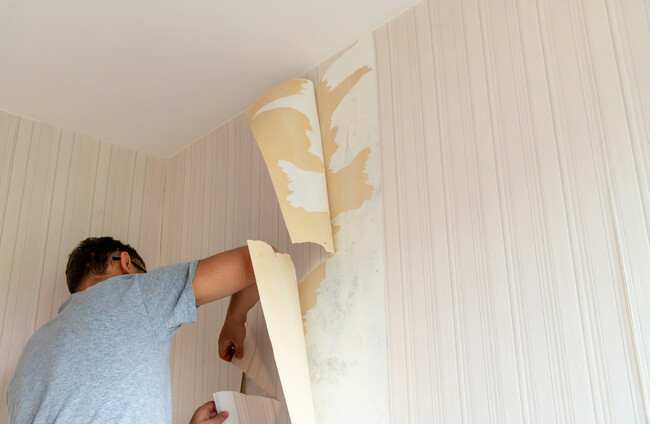
I’m renovating my own house right now, so I can tell you exactly how this plays out. I got the keys in April and I got stuck in – stripping wallpaper, lifting carpet, removing skirtings etc. I’d worked on sites during school and college and stripped out a previous property myself, so I knew what I was doing and genuinely enjoyed it.
In reality, it caught up on me.
While I was head-down stripping the place out, I was putting off the decisions that actually needed making; windows, insulation, the kitchen layout, the electrical plan. Planning is the thing I’m best at, and it was the thing suffering most. Once I noticed that, I handed off the strip-out work and got back to planning.
The wider pattern I’ve seen, in my own project and others, is that DIY-led renovations take a lot longer. That’s fine if you’ve nowhere else to be. It’s a different story if you’re paying rent elsewhere while the work drags on. At that point, whatever you save on labour may be quietly eaten by extra months of rent. Run the numbers both ways before you decide.
On the specific jobs you mentioned:
Demolition: There’s a knack to it, and it can be genuinely dangerous if load-bearing elements are removed or altered incorrectly. Stripping out non-structural fixtures, wallpaper, skirtings and floor coverings is safe, achievable, and a real money-saver. Leave anything structural to a professional.
Plastering: This is a skill, not a weekend job. You’ll spend serious money on windows, floors, and the kitchen, but the plaster is what you’ll actually look at every day. Bumpy and lumpy walls isn’t a good look so get a good plasterer. A bad finish undermines everything else in the house.
Painting and decorating: The job that pulls every other trade’s work together, and the one I hate handing a project over without. Painting a house after is it’s been renovated is a lot more challenging than say repainting a bedroom: there’s filling, caulking, and sanding before a brush of paint goes on.
It’s doable yourself, but it’s slower and harder than it looks — and I’ve seen people spend heavily on fixtures and fittings only to speckle them with paint in the process of saving money.
Your roadmap for saving money without slowing the project to a crawl:
I hope this gives you and your husband a clearer picture of where to draw the line. Good luck with the project!
Shay will be back answering your questions next week. Send him your pressing queries on managing a renovation to reno@thejournal.ie.
To embed this post, copy the code below on your site














have your say