Sign in. It’s quick, free and it’s up to you.
An account is an optional way to support the work we do. Find out more.
Sign in. It’s quick, free and it’s up to you.
An account is an optional way to support the work we do. Find out more.
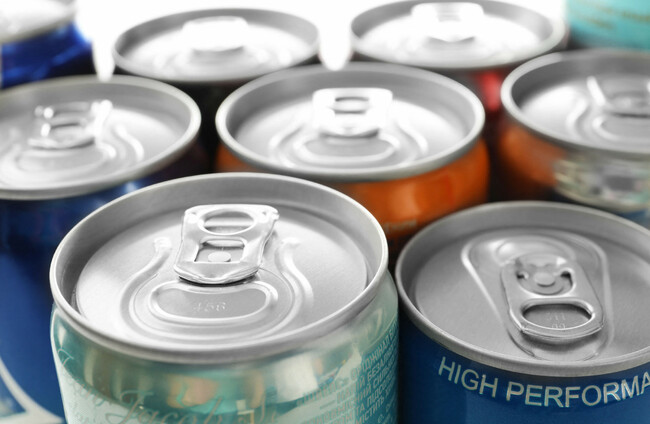
THE DEPARTMENT OF Health is waiting for the conclusion of a review before it decides whether to ban the sale of high-caffeine energy drinks to children and teenagers.
It comes after the British government announced that children under 16 would be banned from buying the drinks in England from April 2027.
Under the ban, it will be illegal for drinks containing more than 150mg of caffeine per litre to be sold to children and younger teenagers in shops, cafés and restaurants, vending machines and online.
In a statement, the UK government said the ban follows a consultation that received nearly 1,100 responses from businesses, public health organisations, enforcement bodies and members of the public, with “strong support for introducing an age restriction”.
The European Food Safety Authority defines energy drinks as non-alcoholic beverages that contain caffeine, taurine, vitamins, and sometimes guarana and ginseng. Its guidelines suggest a safe caffeine intake level of 3mg per kilogram of body weight per day for all age groups.
A 2013 EFSA report found that 68% of European adolescents aged 10-18 consume energy drinks, with 12% being daily consumers.
Fianna Fáil and Fine Gael committed to exploring “restrictions on the sale of high caffeine energy drinks, including a ban on their sale to children” in the programme for government.
Last year, a bill was introduced by Senator Sharon Keogan proposing to ban the sale of high caffeine stimulant drinks to under-18s.
The Public Health (Restriction on Sale of Stimulant Drinks to Children) Bill 2025 also proposed regulating the advertising and promotion of the drinks to children and to provide health warning labels on them about the effect of excessive consumption of them on a person’s health.
But in May 2025, the legislation stalled in the Seanad after the government agreed to table a timed amendment, which paused the ban for at least 18 months.
A government spokesperson at the time said this was to allow for evidence of public health concerns related to energy drinks to be examined.
In a statement to The Journal, a spokesperson for the Department of Health said any proposal to prohibit the sale of energy drinks to children “ultimately aims to protect children’s health by restricting access to energy drinks”.
“For Ireland, implementing these measures would involve public health benefits, economic implications, changes in consumer behaviour, and necessitate regulatory changes,” the spokesperson said.
“Given the importance of this topic, thorough analysis and stakeholder engagement are essential for crafting effective and balanced regulations.”
Safefood is currently working on an “evidence review” in relation to this area, the spokesperson confirmed.
They said the Department of Health is expecting this to be submitted in the coming months.
“Once received, the Department will consider this evidence and proceed accordingly,” they added.

To embed this post, copy the code below on your site









have your say