Sign in. It’s quick, free and it’s up to you.
An account is an optional way to support the work we do. Find out more.
Sign in. It’s quick, free and it’s up to you.
An account is an optional way to support the work we do. Find out more.
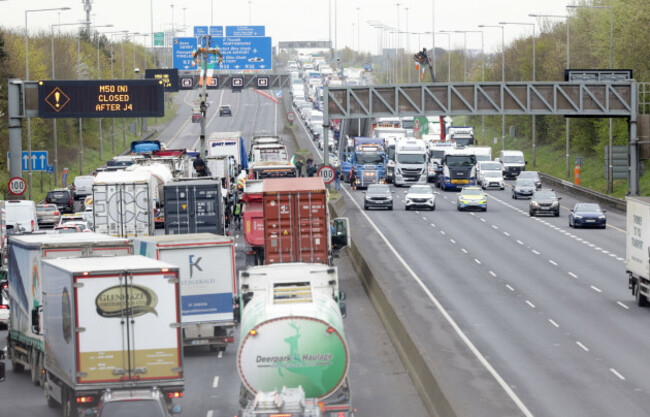
FUEL PROTESTS AND blockades are showing no sign of stopping – but retailers say the disruption is causing delays in the delivery of essential goods, and may cause shortages and inflation.
There have now been four days of protests over the government’s response to rising fuel prices.
An emergency meeting was held between government ministers and representative groups yesterday and talks are to continue today, with ministers promising a “significant and enhanced support package” for the impacted sectors. But protest leader Christopher Duffy said “nothing has changed” for the protesters.
Retail Ireland, the group representing the Irish retail sector, has said the protests have caused “major disruption” to essential retail operations, creating stock shortages and bringing additional operational overheads.
“The obstruction of distribution hubs and key access routes is no longer merely a logistical inconvenience but has transitioned into a direct threat to the availability of essential goods,” said Arnold Dillon, director of Retail Ireland.
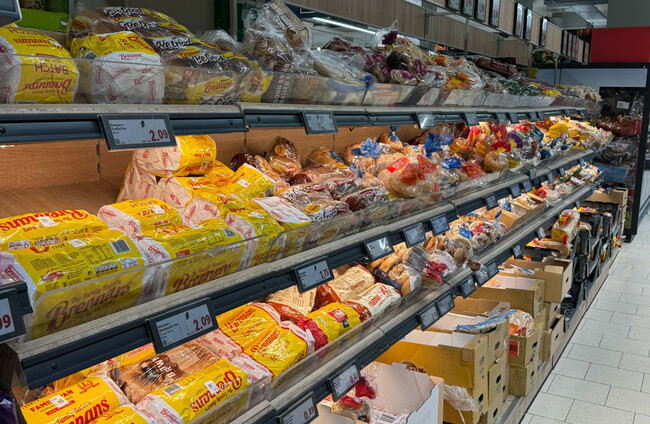
Meanwhile, CEO of the Convenience Stores and Newsagents Association Vincent Jennings told The Journal that many shops are experiencing delays in the delivery of basic essentials like bread and milk due to the protests and traffic diversions.
“Delivery drivers are finding it very difficult,” he said.
Jennings said shortages of essential goods in stores are “only a matter of time if delivery vans can’t refuel or blockades make journeys unviable to go to outlying stores”.
He added that some self-employed drivers may have to decide whether making deliveries is worth the cost if there are significant diversions, especially in more rural areas.
The director of Dairy Industry Ireland, Conor Mulvihill, said that due to fuel shortages from blockades, the industry is in a “crisis situation” – but deliveries are going ahead, albeit with “great difficulty”.
Speaking to The Journal, Mulvihill said: “We’re running out of fuel the same as everyone else”.
He said that as the protests are occuring during peak milking season, fuel shortages are causing difficulty with producing milk, processing milk and delivering milk.
He said the protests also raise animal welfare concerns due to fears around grain shortages and the ability of vets to reach animals.
“While we recognise the severe cost pressures driving these demonstrations, the resulting disruptions are presenting immediate operational and logistical challenges for our farmer suppliers, hauliers, and processing staff,” Dairy Industry Ireland said.
“The Irish dairy sector operates on a highly time sensitive, continuous basis; milk is a perishable product that must be collected from farms and processed without delay.”
A spokesperson for Tirlán, the co-op over brands including Avonmore and Premier Dairies, said the fuel protests are “continuing to create challenges for logistics operations across Ireland”.
However, as of yesterday, it said Tirlán milk collections and deliveries are “continuing as planned”.
“Production is being maintained, and outbound shipments are ongoing,” the group said.
“While some operational adjustments have been necessary, we can confirm there is no material disruption to delivery schedules at this point.”
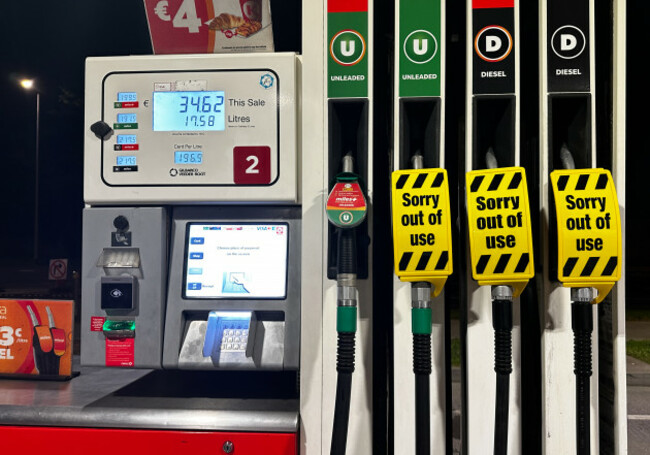
Forecourts across the country have closed their pumps due to fuel shortages.
Kevin McPartlan, CEO, Fuels for Ireland warned that even if the protests and blockades end, it will still take up to a week before forecourts were operating close to normal again – and in some cases recovery could take longer.
“Once a disruption of this scale takes hold, there is no instant reset. Stocks have to be rebuilt, deliveries rescheduled and normal distribution patterns restored across the network,” he said.
Jean McCabe, CEO of Retail Excellence Ireland said that panic buying at forecourts and the blockades are having a “big impact” on fuel shortages.
McCabe said disruption caused by the blockades means stores and distributors are now looking at logistical rerouting, prioritising goods deemed essential, and rationing fuel across their fleets.
“This is having a significant knock-on effect right through supply chains. No industry or sector will be spared from the disruption this is causing,” she said.
McCabe warned that the protests could exacerbate food price inflation, as the cost of rerouted logistics is absorbed.
“If these blockades continue, those costs will inevitably be passed on to consumers, creating food inflation at a time when household budgets are already under enormous strain,” she said.

To embed this post, copy the code below on your site














have your say